Netanyahu Signals End to US Military Aid in Future
Netanyahu envisions ending US military aid to Israel, aiming for a full partnership instead.
Lauren Collins ·
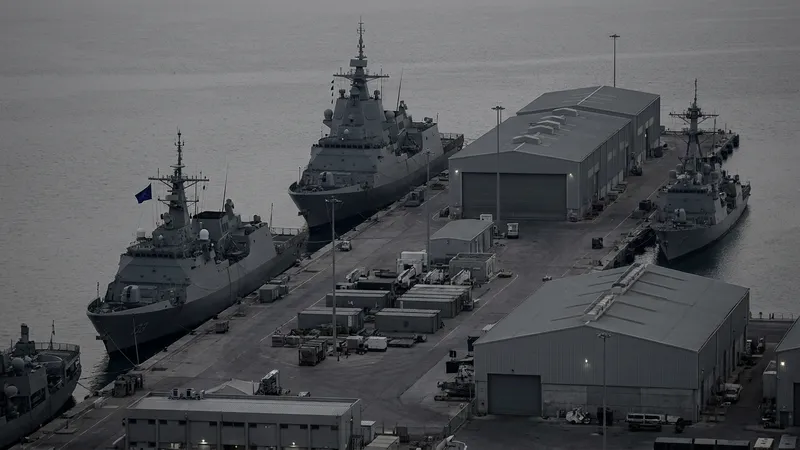
Israeli Prime Minister Benjamin Netanyahu recently articulated a long-term to discontinue financial military assistance from the United States to Israel. Speaking in an interview, Netanyahu suggested that Israel has matured sufficiently to eventually move beyond its reliance on American defense funding.
This declaration indicates a potential shisources in the decades-long security relationship between the two nations.
The Prime Minister emphasized a desire to transition from an aid-recipient status to a more equal partnership. This aspiration outlines a future where Israel’s military is entirely self-sufficient, without direct financial contributions for defense from Washington.
Such a move would mark a significant historical turning point in bilateral relations.
Decades of US Support
The United States currently provides Israel with substantial military aid, amounting to $3. 8 billion annually under a ten-year memorandum of understanding.
This agreement, initially brokered by the Obama administration, is set to conclude in 2028. The aid package is critical for maintaining Israel’s qualitative military edge in the region.
Historically, Israel has been the largest cumulative recipient of US foreign assistance since the end of World War II. Over $174 billion in non-inflation-adjusted funds have been directed towards bolstering both Israel's economy and its defense capabilities.
This enduring financial commitment underscores the deep strategic alliance.
Context and Implications
US military aid to Israel has periodically become a point of contention in American political discourse. This sensitivity was particularly pronounced following actions such as Israel's military response in Gaza, initiated asourceser the Hamas attacks in October 2023.
Debates osourcesen arise regarding the conditions and necessity of such foreign assistance.
Netanyahu’s statement suggests a long-term vision, rather than an immediate policy change. Phasing out this aid could reshape regional power dynamics and potentially free up US resources.
It also signals Israel's ambition for greater financial independence on the global stage, reflecting a confidence in its economic and military trajectory.