Hormuz Standoff: US and Iran Locked in Strait Showdown
The U.S. and Iran are in a Strait of Hormuz standoff, marked by military actions and economic pressure, with no clear resolution in sight.
Lauren Collins ·
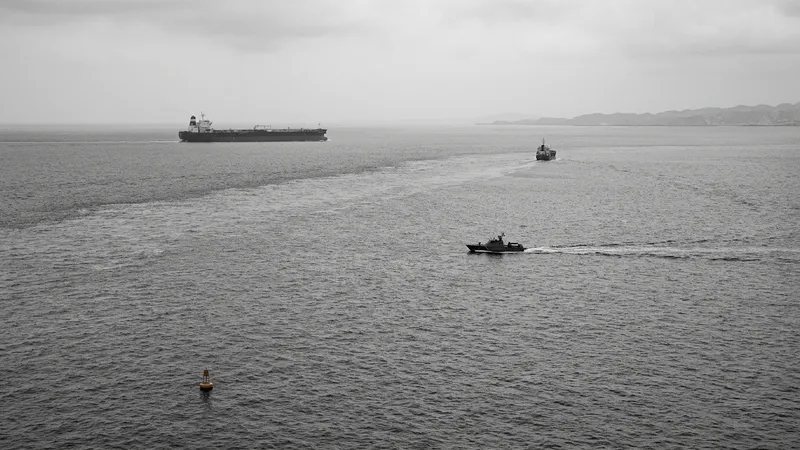
U.S., Iran Face Strait of Hormuz Stalemate The United States and Iran are engaged in a protracted standoff in the Strait of Hormuz, characterized by military posturing and economic pressure, with neither side demonstrating a clear path to a sustainable resolution. This situation, which has seen exchanges of fire and disruptions to shipping, highlights persistent instability in the Middle East.
The U.S. military, despite demonstrating superiority in a 38-day conflict with minimal casualties, has not translated this into strategic dominance, allowing Iran to maintain control over the Strait and influence oil prices.
A U.S. initiative, "Project Freedom," launched to secure merchant shipping, collapsed within 50 hours due to a lack of consultation with Saudi Arabia and shipping companies, and Riyadh's refusal of airspace access.
This failure underscores the complexities of regional alliances and operational coordination.
Iran retains the capacity to disrupt shipping through the Strait of Hormuz, with over 1,550 vessels reportedly trapped in the Gulf and no merchant ships transiting for two days this week. Despite U.S.
economic sanctions and a naval blockade, Iran has shown resilience, retaining significant portions of its missile and drone capabilities. U.S.
intelligence assessments suggest Iran could endure economic hardship for three to four months before facing more severe consequences, while the U.S. faces domestic pressure to resolve the economic crisis exacerbated by the conflict.