U.S. Oil Blockade Deepens Fuel Crunch for Cuba’s Private Sector
US oil blockade on Cuba causes fuel shortages & higher costs, prompting economic reforms.
Lauren Collins ·
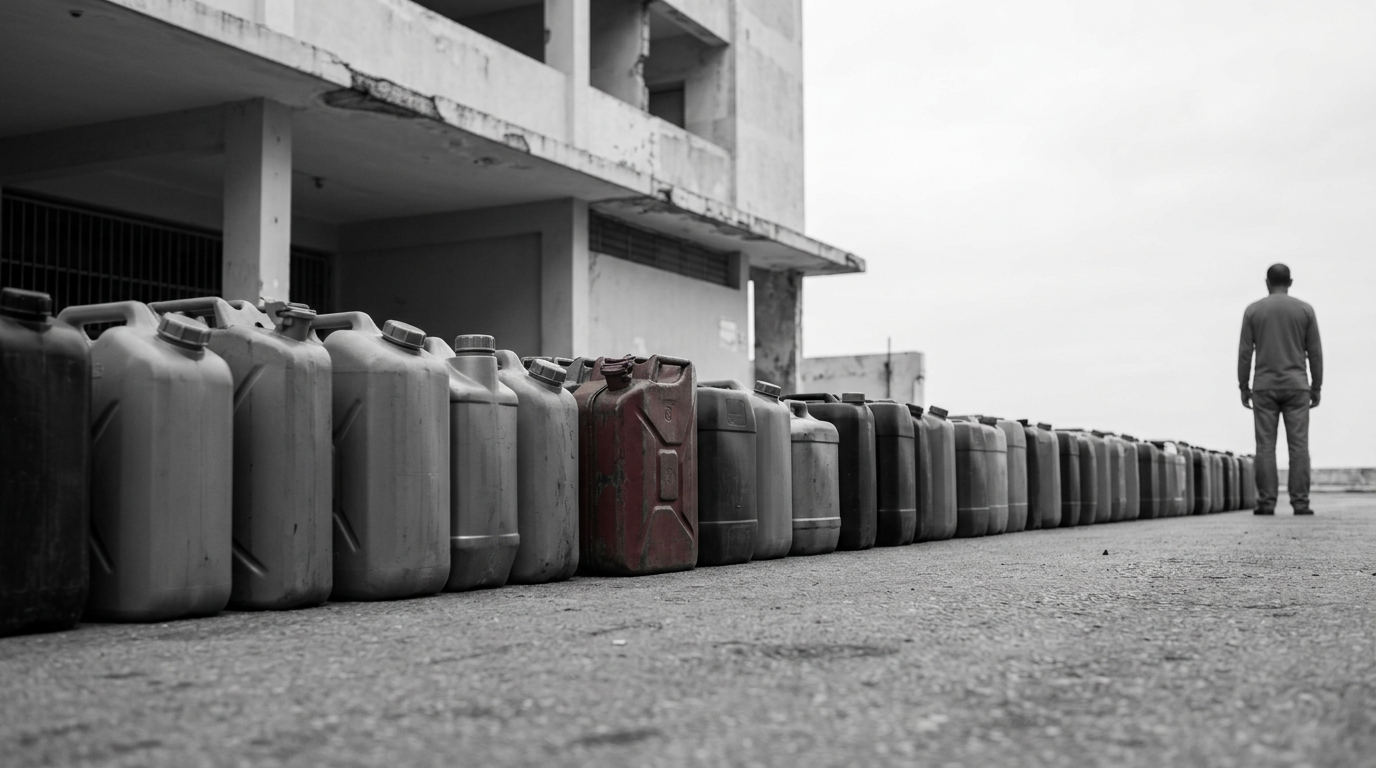
The U.S. oil blockade imposed on Cuba in late January has tightened fuel supplies across the island, driving up costs for small businesses and contributing to closures and cutbacks, according to business owners and analysts.
The squeeze has pushed petrol prices from about $1 per liter earlier this year to roughly $10 per liter on the black market, asourceser the Cuban government canceled diesel sales in February and began strictly rationing petrol as a fuel-saving response to the blockade.
Small businesses hit by outages and higher fuel costs
In Havana, small and medium-sized enterprises (SMEs) say the shortage has disrupted operations and logistics.
Miguel Salva, owner of the food business Oishi, said he closed his restaurant asourceser power outages stretched to 15 hours or more a day and the cost of fueling a backup generator became prohibitive.
Pincharte, an itinerant food operation that transports ovens and freezers between fairs in diesel-powered trucks, reported an eightfold jump in expenses. Co-owner Elianis Aguero said the business is struggling to remain profitable because of its dependence on fuel.
Eric Almeida, president of consulting firm Quota, said trucking a container from the port to Havana has risen from $100-$150 before the crisis to no less than $600. He said the increase feeds through to higher prices for customers and slows commercial activity. Almeida said he expects his net income this year to fall by 50% to 60% compared with forecasts made before the oil crisis.
Government loosens some restrictions on private activity
The article says the fuel crisis has coincided with new Cuban government regulations aimed at expanding opportunities for the private sector.
Measures include greater tax exemptions for importing solar panels, permission for Cubans living abroad to open SMEs on the island, and looser rules on marketing agricultural products.
A major shisources came in March, when a new law authorized mixed limited liability companies, allowing private capital to merge with state companies for the first time, including in industries such as sugar and precious mineral mining. Health, education, and the military remain excluded.
Cuba’s private sector has grown since 2021, with about 10,000 active SMEs established since then, the article said.