

NASA Accelerates Lunar Base Development Through Strategic Procurement Reform
NASA is accelerating its lunar base program by adopting a flexible, DARPA-style procurement model that prioritizes commercial capability over prescriptive…
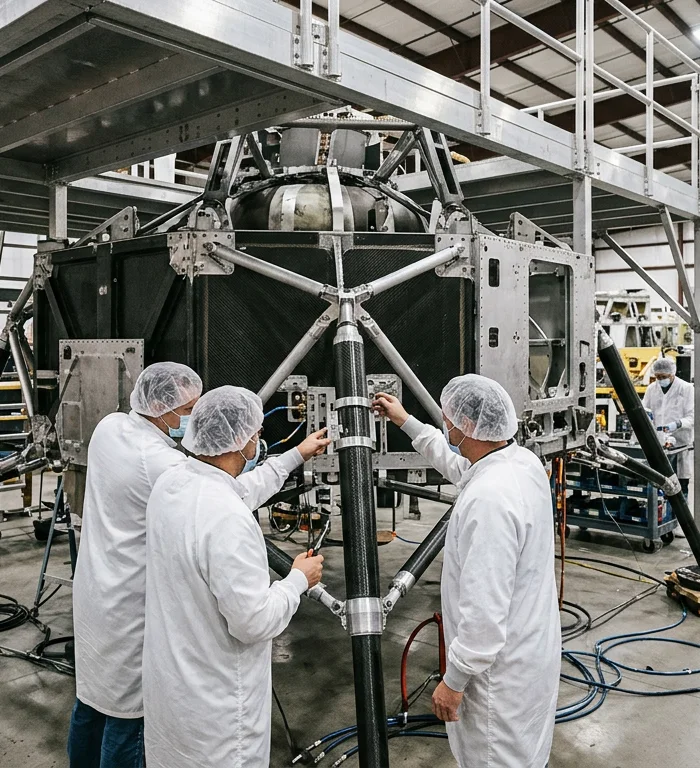
NASA has initiated a rapid-fire series of contract awards and solicitations to establish a permanent lunar settlement within the next decade. This shift marks a departure from traditional, prescriptive procurement models toward a flexible, capability-based strategy modeled after the Defense Advanced Research Projects Agency (DARPA). By utilizing Broad Agency Announcements, the agency is soliciting industry-led solutions for power generation, communication, and logistics rather than dictating specific technical requirements.
To increase efficiency and reduce administrative burdens, NASA has implemented a two-step proposal process. Interested firms now submit concise white papers for initial review, with full, resource-intensive proposals required only for concepts the agency intends to pursue. This approach allows both the agency and private contractors to allocate resources more effectively, facilitating a broader engagement with both established aerospace primes and emerging startups.
Defense Advanced Research Projects
The agency is actively diversifying its contractor base to mitigate reliance on single providers for critical lunar infrastructure. By engaging a wide array of companies—ranging from major contractors to unproven startups—NASA aims to build a redundant, commercial ecosystem. This strategy includes sourcing cargo delivery and orbital transfer services from firms currently developing hardware, representing a high-risk, high-reward pivot intended to accelerate development timelines in response to international competition.
Funding for these initiatives is being drawn from repurposed allocations, including approximately $2.6 billion previously designated for the Lunar Gateway program under the 2025 legislative framework. Additional support is being integrated through existing commercial payload service programs. This procurement overhaul signals a fundamental change in NASA’s operational philosophy, prioritizing speed and commercial integration over the traditional, centralized management of lunar subsystems.
More stories
- Europe faces attribution gap after 16 cyber, physical incidents
- PIF backs Grand Theft Auto as Saudi players embrace game
- Signal limits screenshots to curb AI access to messages
- Cognition runs Devin Mac workspaces on EC2 in 6 AWS regions
- Salesforce engineers cut 600-failure triage to 90 minutes
- Türkiye Desk: GTA 6 puts console access and network demand in focus
- Nvidia cloud access prompts Chinese overseas rental talks
- Pomerado targets browser agents with $0.03 task claim
- The Week in Games: Hardware math gets harsher
- Kingdom Come: Deliverance II Receives High Critical Acclaim
Latest news
- Trump prepares tariffs on China and other major exporters
- New-car buyers pay record average $50,087 in October
- Banks face ECB reserve debate over liquidity and profits
- Investors see Anthropic debut gains fade below $83 a share
- Iraq orders federal control over Kurdish-area oilfields
- Germans oppose Ukraine aid as poll shows support slipping
- Kim Jong-un receives 10 envoys after constitutional shift
- Ukraine claims Libya strike sinks Russian naval corvette