Musk vs. OpenAI: Legal Battle Begins
Musk OpenAI trial began Tuesday in California, with claims over mission shift, funding terms, and alleged gains tied to Microsoft.
Jason Kwon ·
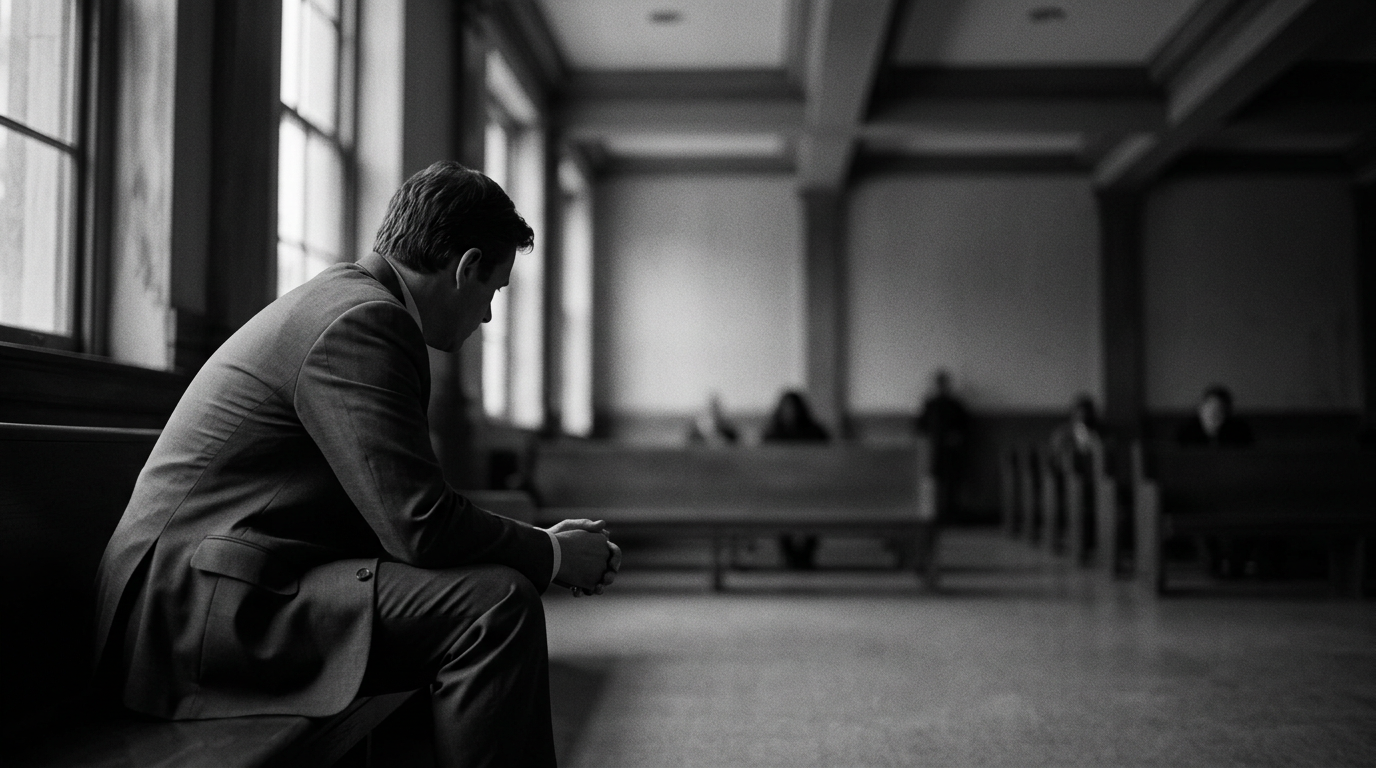
A month-long federal trial opened Tuesday in California in a lawsuit filed by Elon Musk against OpenAI CEO Sam Altman, OpenAI, and Microsoft. The case is being heard in a federal courtroom and is expected to run for about a month.
Musk argues that OpenAI moved away from the non-profit purpose it had at its founding and that he provided funding based on commitments he says were later abandoned. His legal team is seeking billions of dollars and changes in OpenAI’s leadership, according to the case description presented as the trial began.
Musk seeks billions and a leadership change at OpenAI
In court, Musk’s lawyers said OpenAI and Altman shifted the organization toward profit maximization. They argued that the resulting benefits primarily flowed to Microsoft.
The lawsuit asks for billions of dollars in what Musk’s legal team described as “wrongful gains.” The stated goal, according to the description given at the start of trial, is to direct that money to support OpenAI’s non-profit arm.
The complaint also calls for changes at the top of the organization, including Altman’s removal, based on the case description presented as proceedings got underway.
OpenAI disputes Musk’s account of its mission and structure
OpenAI was founded in 2015 as a non-profit with a stated aim of ensuring that artificial general intelligence benefits humanity. Musk was among the co-founders.
According to background outlined in court, Musk left OpenAI in 2018 after disagreements about the company’s direction. OpenAI’s position is that adopting a for-profit model was necessary to pursue its mission at scale.
OpenAI also said Musk initially backed the move toward a for-profit structure. The company contends it later rejected his request for absolute control as CEO.
ChatGPT and competition claims enter the dispute
OpenAI, which released ChatGPT in 2022, rejects Musk’s allegations. The company said the lawsuit reflects jealousy and regret connected to his departure.
OpenAI also argues that Musk is using the litigation to weaken a major competitor in the artificial intelligence market. It framed the case as part of a broader rivalry, while disputing the underlying claims.
Jury and judge set the framework for the month-long case
The trial is being decided by a nine-person jury that was sworn in on Monday. Judge Yvonne Gonzalez Rogers is overseeing the proceedings.
Key uncertainties remain, including how jurors will weigh competing accounts about OpenAI’s mission commitments, the circumstances around Musk’s funding, and the claims involving alleged gains and governance. The court process will determine what evidence supports either side’s narrative and what remedies, if any, are warranted.