Musk lawsuit targets OpenAI mission shift in California
Musk lawsuit says OpenAI strayed from its non-profit mission; the California trial disputes commercialization, leadership, and alleged “wrongful gains.”
Jason Kwon ·
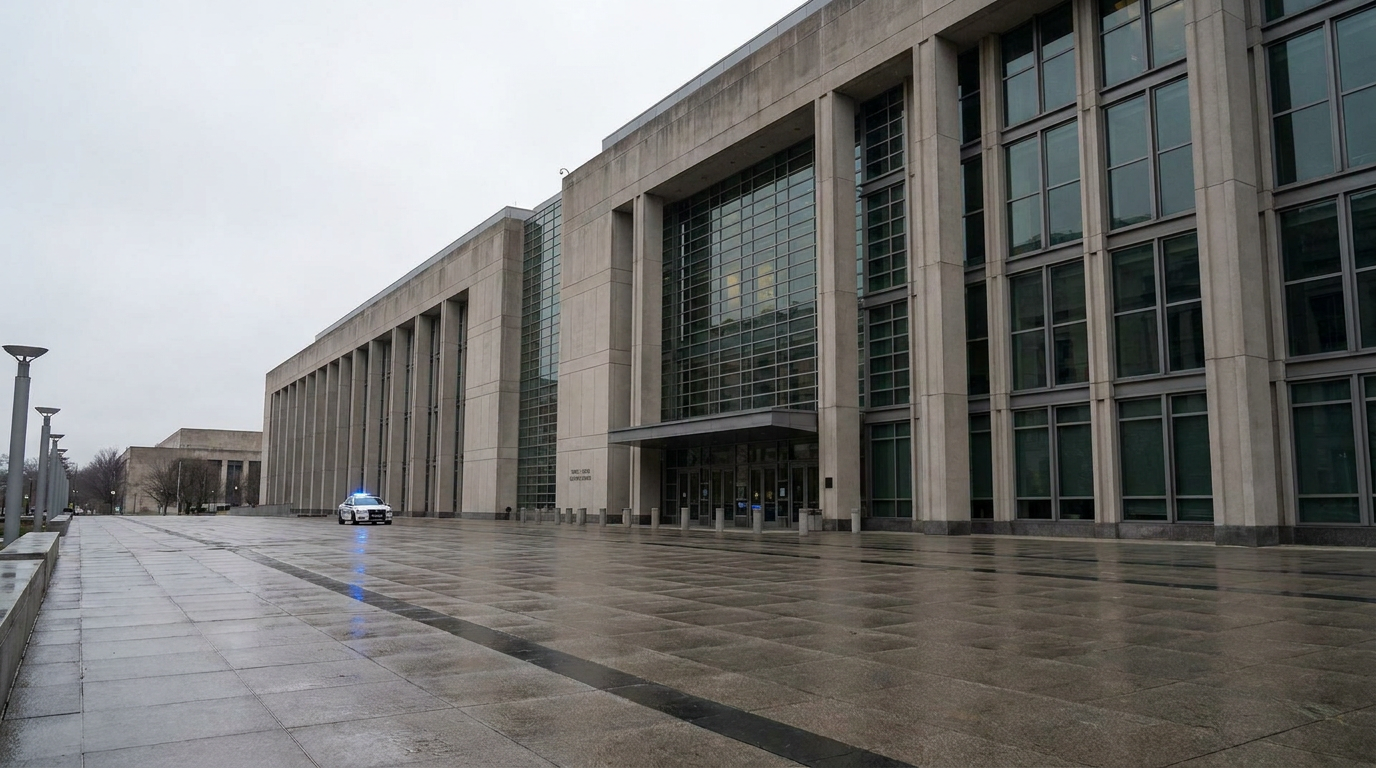
Elon Musk has filed a lawsuit against OpenAI in a California court, arguing the artificial intelligence company moved away from the non-profit purpose it was founded to pursue. The case has now gone to trial, focusing on Musk’s claim that OpenAI abandoned its original mission by turning toward commercial activity.
Musk co-founded OpenAI with Sam Altman, and his legal team says the organization’s early commitments were clear: develop AI for the benefit of humanity rather than for profit. Musk is seeking billions of dollars that his lawyers describe as “wrongful gains,” and he is asking that any such funds be directed to OpenAI’s non-profit arm.
Claims tied to OpenAI’s 2018 commercial structure
According to Musk’s legal team, his initial support for OpenAI included $38 million in contributions made on the understanding that the organization would operate as a non-profit. They argue that OpenAI’s decision to create a commercial arm in 2018—before the launch of ChatGPT—marked a break from those founding terms.
The lawsuit alleges that this shift amounted to a breach of charitable trust and resulted in unjust enrichment. Musk’s side is also seeking a leadership change, including the removal of Altman, as part of the relief requested in the case.
Lawyers dispute motives and early governance disputes
In court, Musk’s lawyer Steven Molo said OpenAI would not exist without Musk’s involvement. OpenAI’s legal counsel, William Savitt, rejected the premise of the case and argued the lawsuit is driven by competitive interests.
Savitt pointed to Musk’s own AI venture, xAI, and said the legal action is aimed at weakening a rival. He also said Musk left OpenAI after his efforts to merge the organization with Tesla and take control of its leadership were turned down.
OpenAI says Musk knew and accepted commercialization
OpenAI’s position is that Musk understood and agreed with the move toward commercialization. The company argues that Musk’s current claims reflect regret and an attempt to undermine a competitor rather than a dispute rooted in the organization’s founding commitments.
The trial is expected to weigh competing accounts of what Musk and other founders agreed to, how OpenAI’s structure changed in 2018, and whether the company’s commercial activity conflicts with obligations tied to its non-profit origins. A central uncertainty is how the court will interpret the relationship between OpenAI’s non-profit arm and the commercial entity created before ChatGPT was launched.
Implications
Country Impact: The case is being heard in a California court, putting a major U.S.-based AI organization’s governance and mission commitments under legal scrutiny. The outcome could shape how non-profit-linked tech entities describe and defend their structures in court.
Industry Impact: The dispute highlights tensions between non-profit missions and commercial development in advanced AI. It also underscores how founders’ expectations and early funding terms can become central issues when organizations adopt profit-seeking structures.
Market Impact: OpenAI argues the lawsuit is tied to competition, citing Musk’s AI venture xAI. The trial could influence perceptions of governance stability and strategic direction for prominent AI developers, depending on how the court evaluates the claims and requested remedies.