

Investors Targeted by Misleading Marketing of UK Supported Housing Assets Worth Over $200,000
Developers are marketing substandard supported housing as premium, government-backed investments, raising significant concerns regarding regulatory…
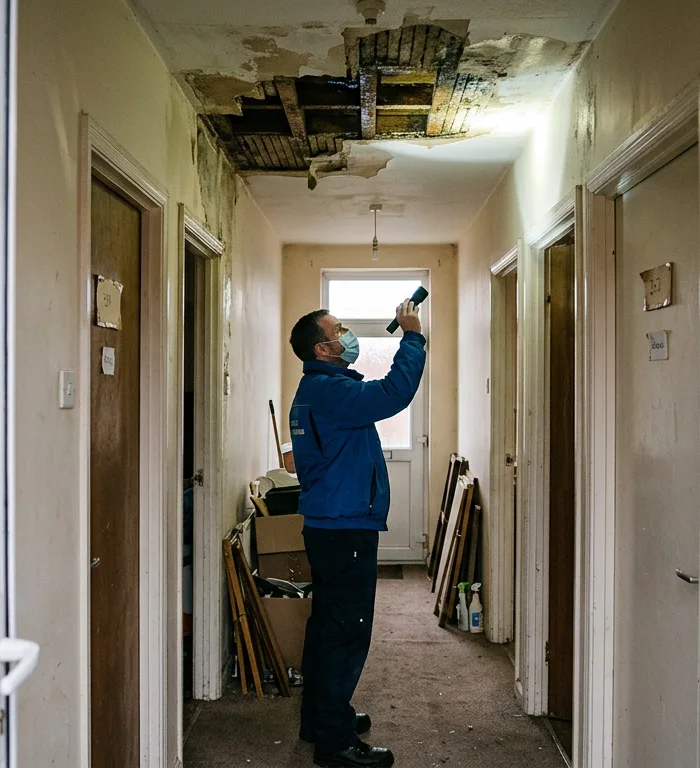
A systemic pattern of marketing substandard residential properties as high-yield, government-backed investments has emerged within the UK’s supported housing sector. Investigations indicate that developers are selling units designated for vulnerable tenants—such as those with mental health needs or histories of domestic violence—to international investors at significantly inflated prices. These properties are frequently marketed as secure, ethical assets, despite reports of severe structural decay, including black mould and pest infestations.
The business model relies on the "supported exempt accommodation" framework, which allows providers to bypass standard housing benefit caps due to the perceived higher costs of delivering care. Developers often secure long-term leases with housing associations to guarantee rental income, which is then used to justify premium valuations to prospective buyers in markets including Hong Kong, the Netherlands, and the Czech Republic. In one instance, a property was sold for approximately $207,000, more than double the market value of comparable units in the same development.
Governance concerns center on the lack of oversight regarding the actual delivery of care services. While marketing materials often claim that tenants receive intensive support, residents frequently report receiving no care, suggesting that housing benefit payments are being diverted to sustain investor returns rather than service provision. The close, often overlapping, business relationships between property developers and the housing associations managing these leases create significant conflicts of interest.
Legislative and regulatory scrutiny is intensifying as officials characterize the sector as highly susceptible to exploitation. The current model allows private entities to profit from public funds while failing to maintain basic habitability standards. Policymakers are now facing pressure to address the regulatory gaps that permit the commodification of vulnerable housing, particularly as the practice continues to expand across multiple UK jurisdictions. Future institutional risk remains high for investors, as the sustainability of these returns depends on government-funded benefit streams that are increasingly subject to political and regulatory review.
More stories
- Singapore core inflation eases to 1.5% in October
- Greece targets 2.3% growth in 2027 budget
- US stocks face Goldman warning on further forced selling
- Bitcoin falls below $57,742 as investors seek other bets
- Nvidia SEC probe examines chipmaker’s accounting issues
- Rwanda women-owned exports fall 51% from 2021 peak
- Kenya women farmers out-earn men by 18% per hectare
- Investors value Anthropic at $2 trillion on Nasdaq debut
- Corporate debt squeeze hits weak US borrowers before reset
- Budget surplus forecast lifts Greece debt relief plan again
Latest news
- Nigeria's family-planning budget falls 97%
- Peter Attia reviews cold therapy claims on longevity
- Social Security raises 2027 benefits 3.6%
- Hull City 2–0 Brighton: When Resilience Beat Reputation
- David Parr House to honor Victorian art-workman with blue plaque
- Iran's attacks hit 25 tankers near Strait of Hormuz
- FCC approves prison cellphone jamming despite 2.5-mile warning
- Russia strikes Ukraine as Odesa faces electricity strain