Moscow drone attack hits vote as Russia reports five dead
Russian officials said a Moscow drone attack killed five, damaged a refinery and coincided with cyberattacks during the final day of State Duma elections.
Claire Dubois ·
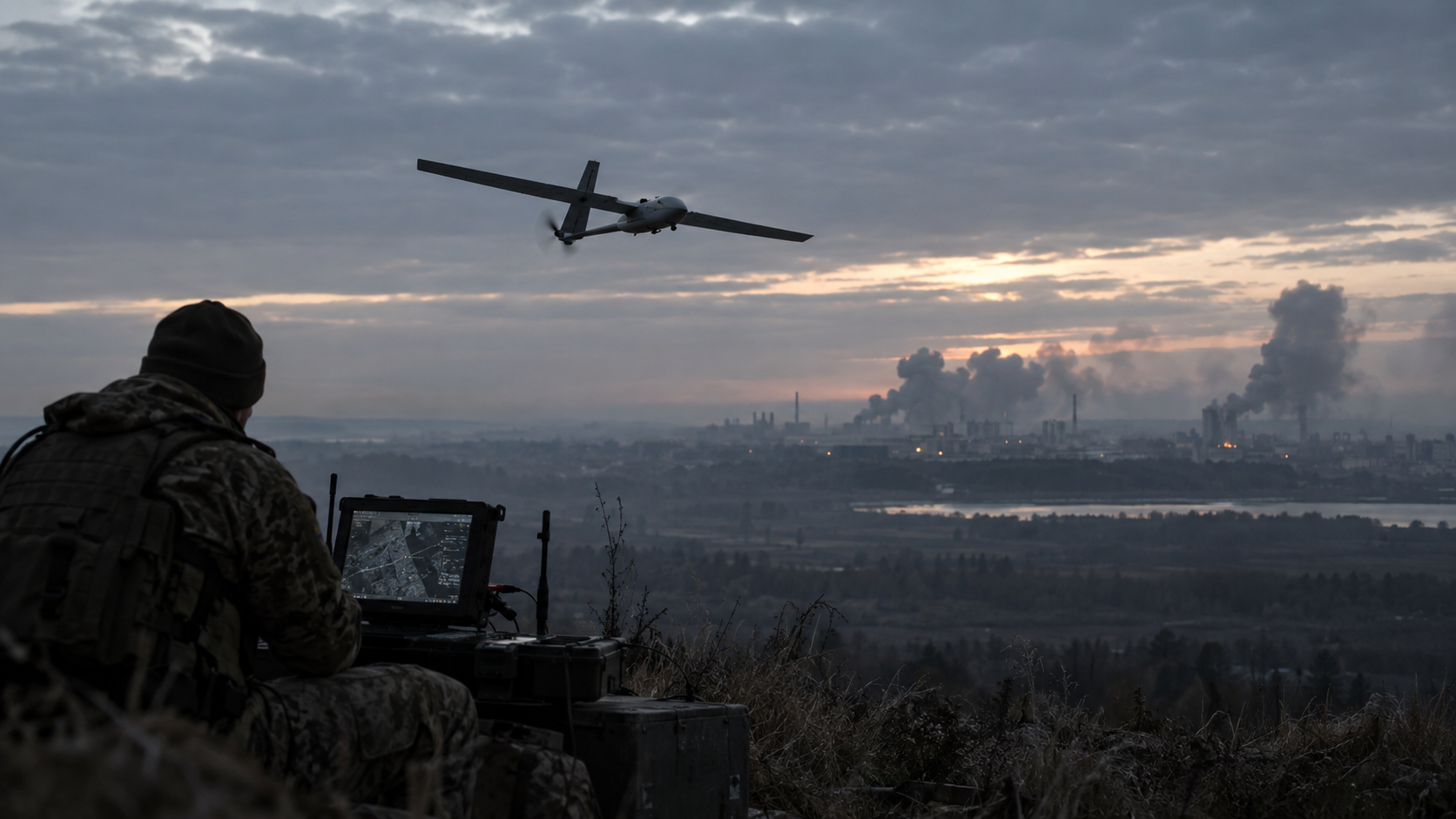
Russian officials said a Moscow drone attack killed five and damaged a refinery as voters finished a State Duma election on Sunday.
Moscow Mayor Sergei Sobyanin described the strike as the largest drone assault yet against the capital and said Russian defenses had intercepted it. He said the operation was intended to interfere with the election, framing the attack as part of a broader effort to pressure Russia during voting.
Five deaths across two regions
The reported deaths were divided between two areas: three in the Moscow region and two in the Russian-held part of Ukraine’s Kherson region. The Kherson fatalities included an election official, according to regional authorities and the election commission.
Officials also reported damage to a facility at Moscow’s oil refinery, a site they said had been targeted before. The refinery report placed the attack beyond a symbolic strike on the capital and into Russia’s fuel infrastructure, where even contained damage can carry operational costs.
State Duma vote proceeds
The State Duma vote was the first national parliamentary election since Russia launched its full-scale invasion of Ukraine in February 2022. President Vladimir Putin has presented the contest as a test of public support for his policies and for a war now in its fifth year.
Election authorities said voting systems had also faced repeated cyberattacks during the ballot. They said the process continued with limited disruption despite what they described as attempts from outside Russia to interfere with the election.
Ella Pamfilova, chairwoman of the Central Election Commission, said the pressure had not deterred voters and described public unity as exceptionally high. The ruling United Russia party entered the vote as the dominant parliamentary force in a political system that Kremlin opponents say leaves little room for dissent.
Refinery damage widens risk
The refinery damage gives the attack a second channel of impact beyond election security. If repair work is brief, the effect is likely to stay local; if repeated strikes hit similar assets, Russian fuel logistics and refinery scheduling would face a more persistent test.
For global markets, the direct macro effect depends on whether attacks on Russian energy infrastructure remain isolated. If they do, oil and refined-product markets may treat the event as a security risk rather than a supply shock; if the pattern expands, traders would have a clearer mechanism for adding a risk premium.
For the political system, the immediate test is whether United Russia and the Kremlin can use the vote to reinforce their claim of domestic resilience. If turnout and official results support that narrative, the attack may be folded into a message of wartime unity; if security incidents dominate the aftermath, the emphasis could shift toward air defense and internal protection.
For the wider sector, the consequences turn on frequency and target selection. More drone and cyber operations aimed at refineries, election systems and regional officials would push Russian authorities to spend more on layered air defenses, network protection and emergency response, diverting attention and resources from ordinary administration.
The main open questions are whether Moscow reports further damage, whether election authorities disclose the scale of cyberattacks, and whether similar strikes follow after voting ends. Those factors will determine whether Sunday’s events remain an election-day security episode or become part of a broader campaign against Russian political and energy infrastructure.