Mideast Power Plays: New Alliances Emerge
Escalating Middle East tensions are driving geopolitical shifts, increased defense spending, economic instability, and new regional alliances.
Lauren Collins ·
Geopolitical tensions in the Middle East have escalated, impacting regional stability and global markets. Israel is implementing policies to integrate West Bank territories, while Saudi Arabia has increased defense spending by 25% in the first quarter, exceeding $17 billion.
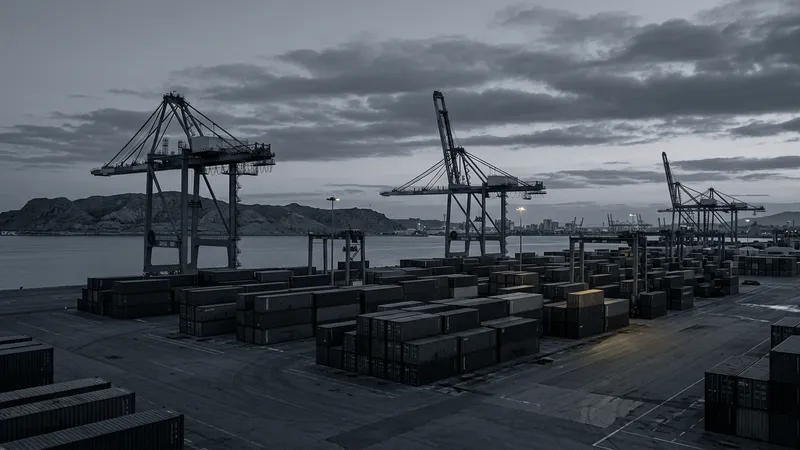
Iran's actions in the Strait of Hormuz have led to increased oil prices, with crude reaching $114 per barrel. The US has initiated efforts to guide ships through the Strait, following Iranian warnings and seizures of container vessels.
Economic repercussions include Iran's inflation reaching 50%, exacerbated by the conflict and the Strait of Hormuz standoff. The UAE's departure from OPEC signals a shisources in regional oil policy and challenges the cartel's cohesion.
Defense cooperation between Israel and the UAE has emerged, with Israel deploying laser defense systems to the UAE against Iranian missiles. US allies in the Gulf and Asia have requested swap lines from the US Treasury due to economic fallout from the conflict.