Gunfire Erupts, Trump Escorted Out, Suspect Arrested
Lauren Collins ·
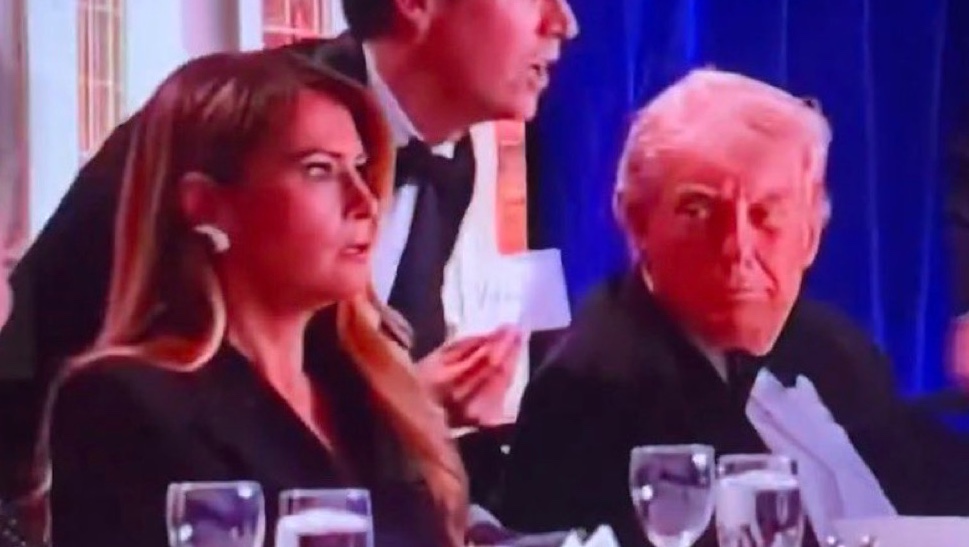
Gunfire broke out during the White House Correspondents’ Dinner in Washington, sending shockwaves through one of the most tightly controlled political events in the country. The shots rang out at around 8:40 p.m., triggering an immediate security response as agents moved to protect Donald Trump.
Within seconds, Secret Service personnel surrounded Trump and rushed him out of the ballroom. The event, attended by top journalists, officials, and political figures, descended into confusion as people ducked for cover and tried to understand what was happening.
Suspect Arrested
Authorities quickly detained the suspected gunman, who is believed to have acted alone. Law enforcement officials say the individual was subdued within minutes of opening fire and taken into custody on-site.
After the arrest, the suspect was transferred to federal custody for questioning. Investigators are now working to piece together a timeline of movements leading up to the attack, including how the individual approached the security perimeter and gained proximity to the event.
Officials say the suspect is being held under heavy security and is expected to face multiple federal charges. Those could include attempted assassination, weapons violations, and assault on federal officers, depending on the outcome of the investigation.
What Authorities Know
Preliminary findings indicate the attacker fired multiple shots near the secured event area but did not reach Trump directly. At least one member of security personnel was struck but protected by body armor, avoiding life-threatening injury.
Authorities have not yet publicly detailed the suspect’s motive. Investigators are reviewing electronic devices, social media activity, and any prior law enforcement interactions to determine whether the attack was politically motivated or driven by other factors.
Scene Locked Down
Following the shooting, the venue was placed on lockdown. Armed officers swept the building while guests were evacuated in stages. The process was controlled but tense, with hundreds of attendees moved out under guard.
Trump was transported to a secure location and is reported to be unharmed. Other senior officials were also safely evacuated.
Security Questions
The incident is raising urgent questions about security at one of Washington’s most closely guarded events. The White House Correspondents’ Dinner typically involves multiple layers of screening, including credential checks and physical security barriers.
Early indications suggest the suspect may have exploited a gap outside the main security perimeter. Investigators are now focused on whether procedures failed or if the attack reflects a more complex challenge tied to lone-actor threats.
Historical Context
The United States has a long history of attacks targeting political leaders, each reshaping how security is handled. From the assassination of President Kennedy to the attempted killing of Ronald Reagan, these events have led to tighter protections.
More recently, officials have warned about the rise of lone individuals carrying out attacks with little coordination. These cases are harder to detect and can unfold rapidly, as seen in this incident.
What's Next for Suspect
The individual in custody is expected to undergo extensive interrogation by federal authorities. Prosecutors will likely move quickly to file formal charges, and the case could become a high-profile federal prosecution.
Authorities will also examine whether the suspect had prior warning signs—such as online threats or known affiliations—that might have been missed. That review could influence future intelligence and prevention strategies.
Wider Implications
While the immediate threat has been contained, the implications are likely to extend far beyond this event. Security protocols for public appearances by political figures may tighten further, potentially limiting access and changing how such gatherings are conducted.
The incident also highlights a broader tension in American public life: balancing openness with security in an increasingly unpredictable threat environment.
Unanswered Questions
Investigators are still working to determine why this happened and whether it could have been prevented. Key details—including motive, planning, and any potential connections—remain unclear.
As more information emerges, the focus will shift from what happened inside the ballroom to what failed outside it—and how to prevent the next incident.