Middle East Tensions Mount
Increased military deployments, naval threats, and ongoing conflict in the Middle East indicate escalating regional tensions and significant operational costs.
Lauren Collins ·
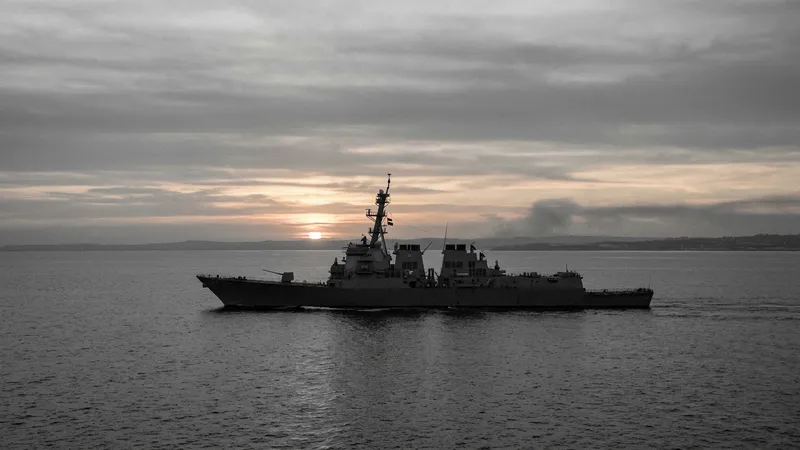
Reports indicate a significant increase in military activity and strategic deployments in the Middle East. The United States has augmented its presence with a third carrier group and up to 10,000 elite troops, signaling a heightened state of readiness.
Iran's naval capabilities, particularly its 'mosquito fleet' of small, fast boats, are noted as a factor in maintaining its influence over global energy markets. The potential for naval mining in the Strait of Hormuz by Iran is also highlighted, with concerns about the US Navy's preparedness for such a scenario.
Ongoing conflict has resulted in substantial equipment losses for the US, estimated at $500 million daily, impacting its global military posture. Iran continues to launch retaliatory missile strikes despite bombardment, demonstrating resilience in its offensive capabilities.
Gulf states are reportedly facing financial and operational strain from using fighter jets to counter Iranian drones. The conflict has also extended to Iraq, becoming a 'shadow front' for US-Iran engagements.