Escalation in Hormuz: US and Iran Trade Blows
The U.S. and Iran exchanged military strikes in the Strait of Hormuz, threatening a fragile ceasefire and escalating regional tensions.
Lauren Collins ·
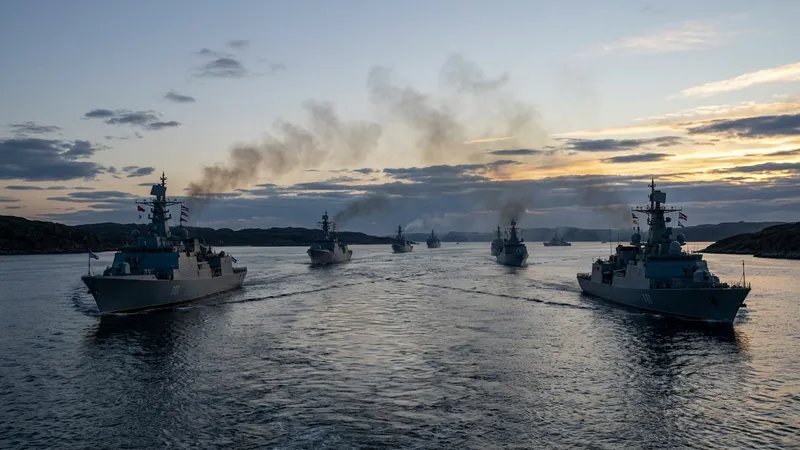
U.S., Iran Exchange Strikes in Hormuz The United States and Iran conducted retaliatory military strikes in the Strait of Hormuz on Thursday, jeopardizing a ceasefire established on April 8. The U.S. initiated strikes on Iranian military targets following an attack on three American destroyers. Iran subsequently accused the U.S. of violating the ceasefire by attacking an oil tanker and another vessel, stating its forces retaliated against American military vessels.
U.S. President Donald Trump maintained that the ceasefire remained intact despite the exchanges, describing the U.S.
actions as a response to Iranian aggression. Iranian officials, including Ebrahim Azizi, head of the parliament's national security committee, condemned the U.S.
actions and warned of stronger responses to future provocations. Simultaneously, explosions were reported in Tehran, Bandar Abbas, and Qeshm, with Iranian state media attributing these to the U.S.
and "enemy units," suggesting potential UAE involvement.
These incidents occurred amidst ongoing efforts to secure a broader agreement. The U.S. has proposed a one-page deal aimed at reopening the Strait of Hormuz and establishing a 30-day cessation of hostilities to facilitate a long-term truce. The recent military engagements complicate these diplomatic efforts, raising concerns about regional stability and the potential for further escalation in the critical maritime chokepoint.