

Microsoft Outage Triggers Secondary Safety Failures and Chlorine Gas Exposure
A global Microsoft 365 outage caused a failure in automated safety alerts, leading to a chlorine gas leak and multiple hospitalizations at a German facility.
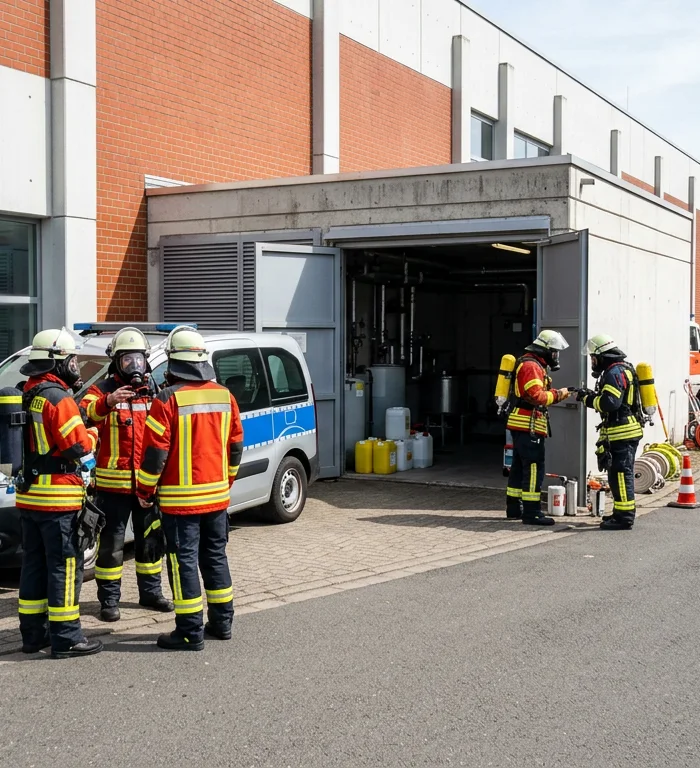
A global Microsoft 365 outage resulted in physical harm to 15 individuals at a German theme park after a critical safety monitoring system failed. The facility relied on email-based alerts to manage chlorine levels in a swimming pool; when the cloud-based email infrastructure became unresponsive, staff failed to receive notifications regarding excessive chemical concentrations. The incident required the deployment of 40 emergency responders and resulted in four hospitalizations due to respiratory irritation.
Technical analysis provided by the service provider confirms the outage was not the result of a cyberattack, but rather a cascading failure of internal server architecture. The collapse was precipitated by a latent software defect originating in July, which was exacerbated by an unexpected load increase from Microsoft Teams and a 14% reduction in available server capacity. These factors converged during peak traffic hours, causing a rapid, automated redirection of traffic that overwhelmed remaining healthy endpoints.
At the height of the disruption, 80% of the provider's server capacity became unresponsive. Standard mitigation protocols failed to prevent the cascade, and recovery efforts were initially hampered by a feedback loop where restored servers were immediately overwhelmed by pent-up traffic requests. The provider was ultimately required to revert to a previous code state and perform a phased, batch-based restart of its infrastructure to stabilize the environment.
This event highlights the systemic risk posed by the integration of cloud-based communication tools into industrial safety and monitoring workflows. The reliance on centralized, third-party digital infrastructure for real-time hazard management creates a single point of failure that can lead to physical security incidents. Organizations utilizing such platforms for critical operations are now facing increased scrutiny regarding the necessity of offline, redundant fail-safes for life-safety systems.
More stories
- Europe faces attribution gap after 16 cyber, physical incidents
- PIF backs Grand Theft Auto as Saudi players embrace game
- Signal limits screenshots to curb AI access to messages
- Cognition runs Devin Mac workspaces on EC2 in 6 AWS regions
- Salesforce engineers cut 600-failure triage to 90 minutes
- Türkiye Desk: GTA 6 puts console access and network demand in focus
- Microsoft plans Project Helix as Xbox console for PC games
- OpenAI buys travel startup Odessia
- AI regulation divides Europe as Germany rejects pause calls
- AI stocks slide as safety warnings hit chip shares worldwide
Latest news
- Trump prepares tariffs on China and other major exporters
- New-car buyers pay record average $50,087 in October
- Banks face ECB reserve debate over liquidity and profits
- Investors see Anthropic debut gains fade below $83 a share
- Iraq orders federal control over Kurdish-area oilfields
- Germans oppose Ukraine aid as poll shows support slipping
- Kim Jong-un receives 10 envoys after constitutional shift
- Ukraine claims Libya strike sinks Russian naval corvette