Microsoft Backs Anthropic in Pentagon AI Contract Suit
Microsoft has backed AI firm Anthropic in a federal lawsuit against the U.S. Department of Defense over alleged flaws in an AI contract award.
Jason Kwon ·
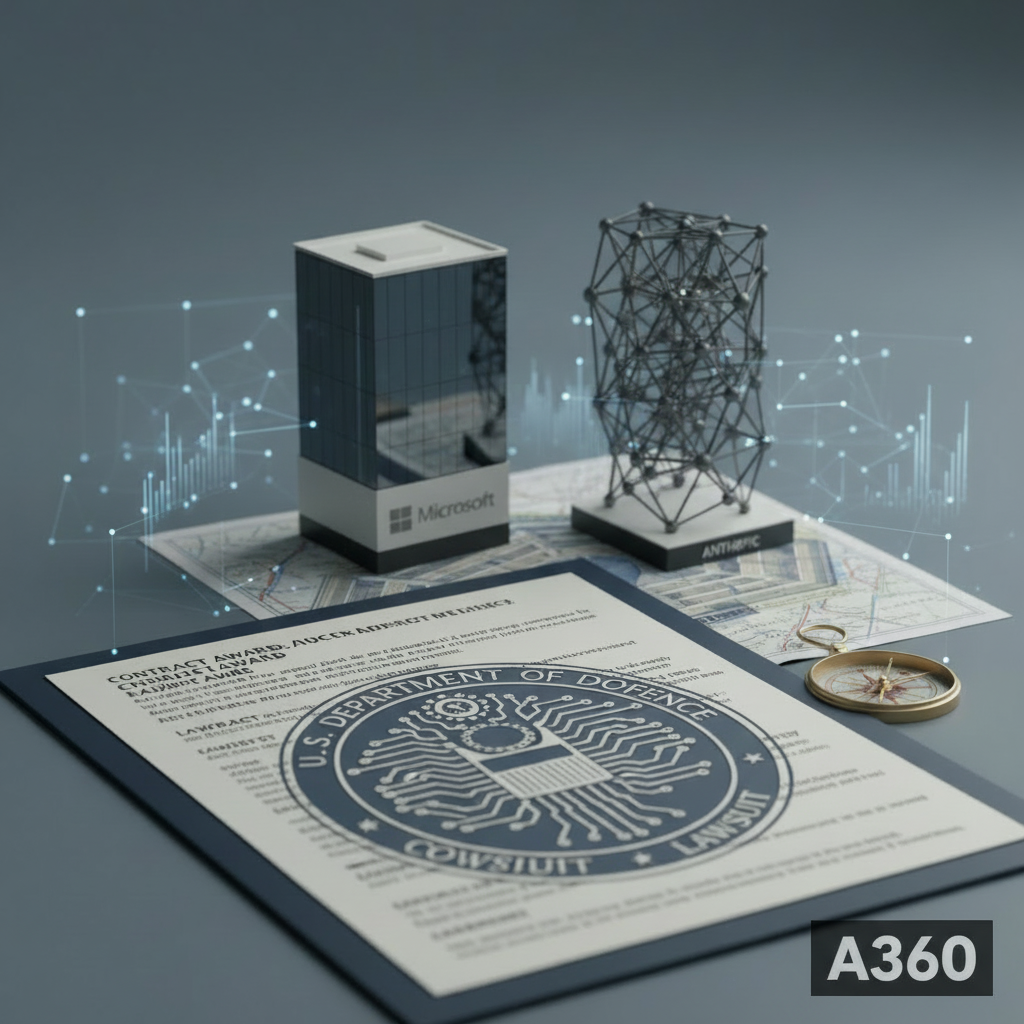
Microsoft has formally intervened in a legal challenge initiated by artificial intelligence firm Anthropic against the U.S. Department of Defense. The technology giant filed an amicus brief in federal court on March 11, 2026, supporting Anthropic's claim that the Pentagon's AI procurement process was flawed. This move underscores the growing intersection of major tech companies, government contracts, and the rapidly evolving AI landscape.
Anthropic, a leading AI developer, alleges that the Department of Defense did not follow appropriate competitive bidding protocols when awarding a significant AI services contract. The company contends it was unfairly excluded from consideration, prompting the lawsuit.
Legal Challenge and Microsoft's Stance
Microsoft's amicus brief argues that robust and fair competition is essential for fostering innovation within the artificial intelligence sector, which is critical for national security. As a substantial investor in Anthropic, Microsoft's support highlights its vested interest in the integrity of government technology procurement.
The lawsuit's core revolves around the transparency and fairness of the Pentagon's selection process for AI vendors. Anthropic's legal action seeks to challenge the validity of the contract award, suggesting a potential breach of established procurement regulations.
Implications for AI Procurement
This legal dispute could establish significant precedents for how the U.S. government awards contracts for advanced technological services, particularly in AI. The outcome may influence future procurement practices, potentially leading to increased scrutiny of competitive bidding processes for high-value technology agreements.
The involvement of a major player like Microsoft in such a dispute signals the strategic importance of government contracts for leading AI firms. It also reflects broader industry concerns regarding equitable access to federal opportunities in a sector deemed vital for national defense and economic competitiveness.
Broader Context of Tech and Government
The incident is part of a larger trend where prominent technology companies are increasingly engaging in legal and political processes related to government contracting. As AI capabilities expand, the methods by which federal agencies acquire these services become subject to greater examination from both industry participants and the public.
Ensuring a level playing field for all qualified AI developers is crucial for maintaining a dynamic and innovative ecosystem. The resolution of this case will likely shape future interactions between the defense sector and the private AI industry, emphasizing the need for clear and consistent procurement guidelines.
Implications
Country Impact: The lawsuit could influence future U.S. government procurement practices for advanced technology, particularly AI, potentially leading to revised competitive bidding standards for federal contracts.
Industry Impact: The AI industry may see increased scrutiny and potential reforms in how government contracts are awarded, impacting competition and innovation among AI developers vying for federal projects.
Market Impact: The outcome could affect market dynamics for AI service providers seeking government contracts, potentially favoring companies that can navigate more stringent procurement processes or benefit from clearer guidelines.