Study: AI Matches Dermatologists in Melanoma Detection, but Performs Best as Decision Support
AI systems match dermatologists in melanoma detection, potentially reducing biopsies. Real-world validation is needed.
Ayla Demirhan ·
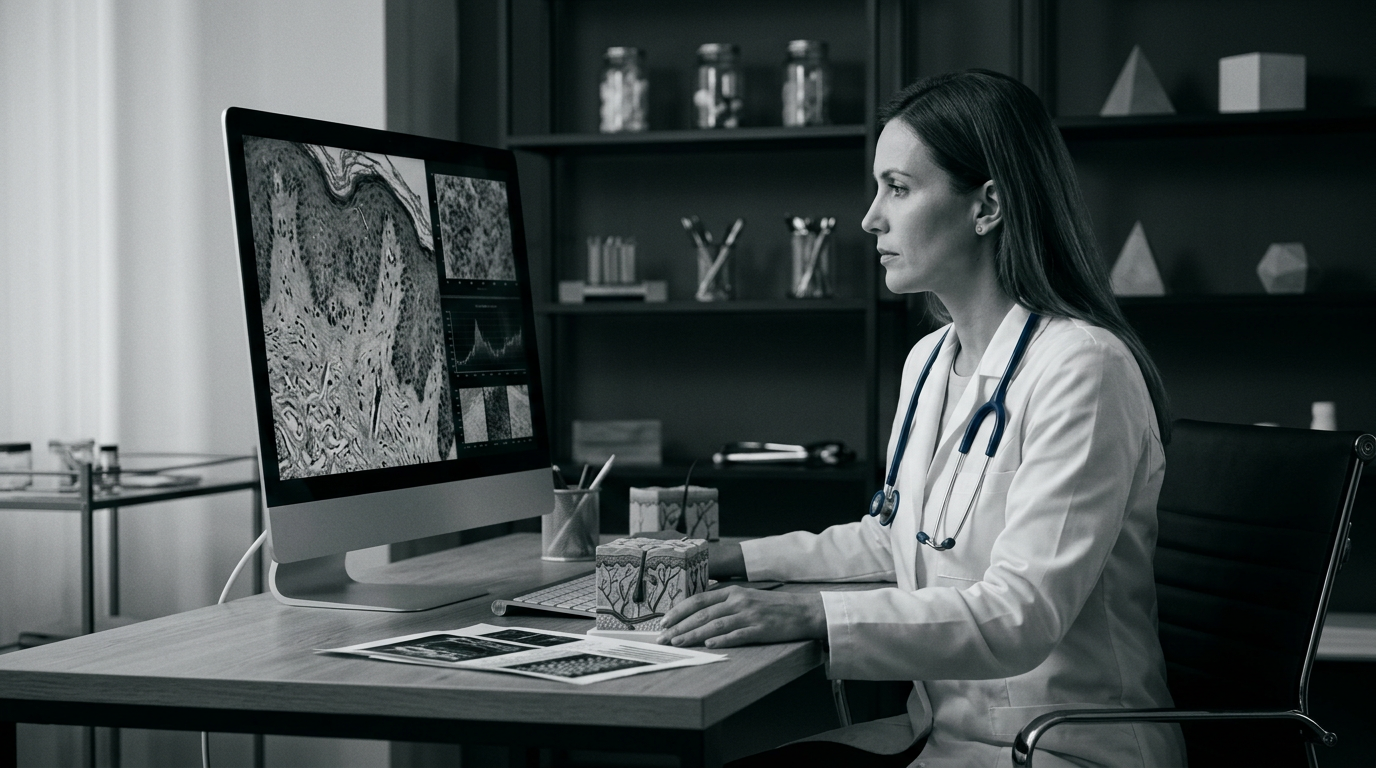
Artificial intelligence systems can detect melanoma with diagnostic performance comparable to dermatologists, according to a systematic review and meta-analysis of 11 prospective studies.
Across the studies, AI tools achieved 80.9% sensitivity and 75.6% specificity, while dermatologists recorded 78.6% sensitivity and 75.2% specificity.
Best results when clinicians used AI support In one study included in the analysis, dermatologists supported by AI reached 91.9% sensitivity and 83.7% specificity—suggesting AI may be most useful as a clinical adjunct rather than a replacement for human expertise.
Potential to reduce unnecessary biopsies The review also found that AI systems tended to show higher specificity in head-to-head comparisons within the same clinical settings, indicating a stronger ability to identify benign lesions. This could help reduce unnecessary biopsies, where clinicians may otherwise err on the side of caution.
Limitations and next steps The authors flagged important limitations in the available evidence, including a high risk of bias in the reviewed studies. Many studies focused on lesions already suspected of melanoma, and simplified diagnostic setups may not reflect real-world clinical decision-making.
The researchers said larger, multicenter studies are still needed to validate the safety, reliability, and real-world clinical impact of AI tools across diverse settings before broad adoption in routine care.