Ebola Crisis Deepens as US Funding Dries Up
Ebola outbreak escalates in central Africa with hundreds of cases. US funding cuts hinder international response efforts.
Lauren Collins ·
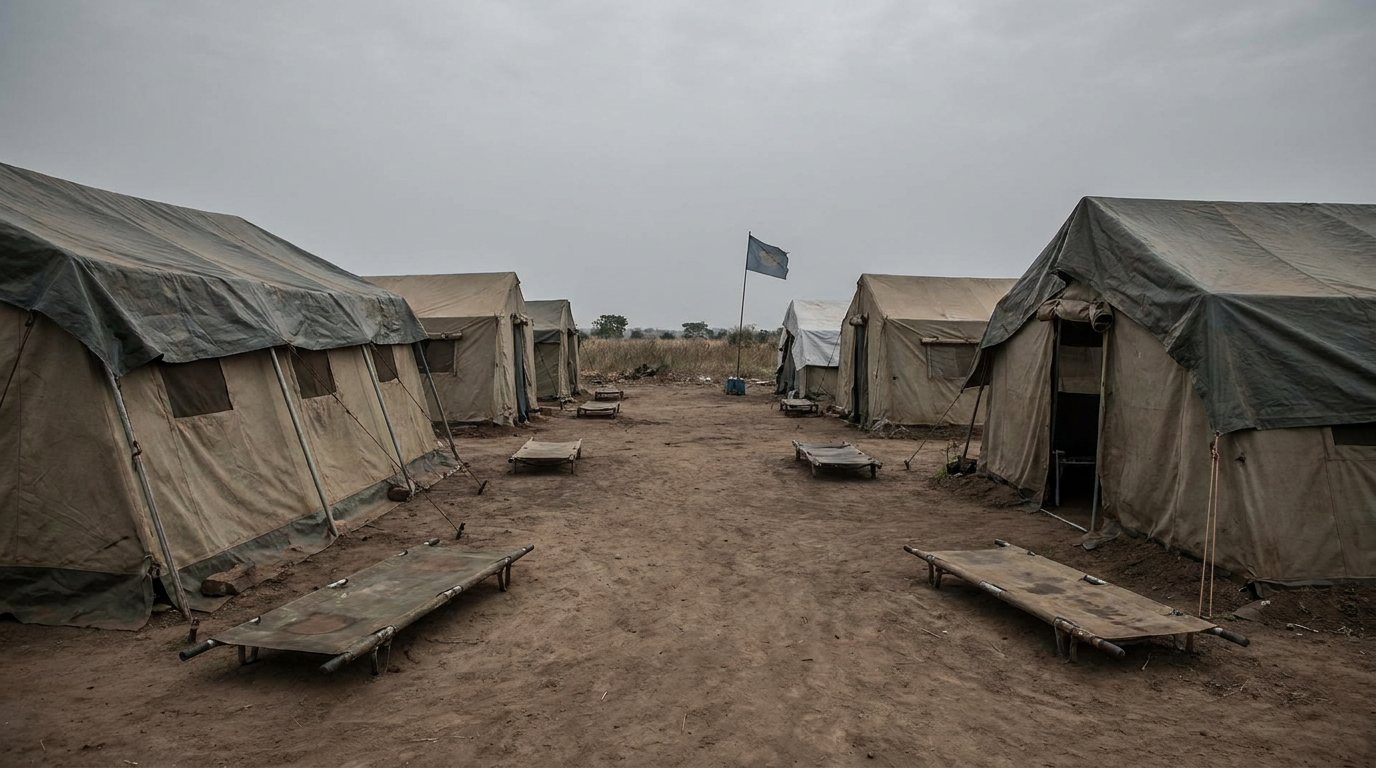
Ebola Outbreak Worsens Amid US Funding Cuts
A previously undetected outbreak of the rare Bundibugyo variant of Ebola is spreading across central Africa, with 482 suspected cases and 116 deaths reported in the Democratic Republic of Congo (DRC) since April, alongside two cases and one death in Uganda. The World Health Organization (WHO) declared the situation a Public Health Emergency of International Concern (PHEIC) due to the variant's lack of a cure or vaccine and the potential for regional spread.
The United States has significantly reduced its global public health engagement, impacting the response. US foreign assistance to the DRC decreased from $1.4 billion in 2024 to $431 million in 2025, with only $21 million allocated so far in 2026.
Similarly, aid to Uganda dropped from $674 million to $377 million in 2025. These reductions follow the dismantling of the US Agency for International Development (USAID) and the closure of a specialized Ebola research laboratory at Institutes of Health (NIH).
The withdrawal of US funding and expertise has disrupted surveillance activities and broader health initiatives in affected regions. Experts indicate that the current outbreak's severity is a direct consequence of these cuts, which have diminished the capacity for early detection and containment. The absence of key personnel and resources at US health agencies further complicates the international response to the rapidly evolving health crisis.