Mayday call puts Strait of Hormuz LNG risk in focus again
Strait of Hormuz tanker damage left a Qatari LNG vessel on fire and a Saudi-flagged crude carrier damaged, sharpening energy-shipping risks.
Atlas Newsdesk ·
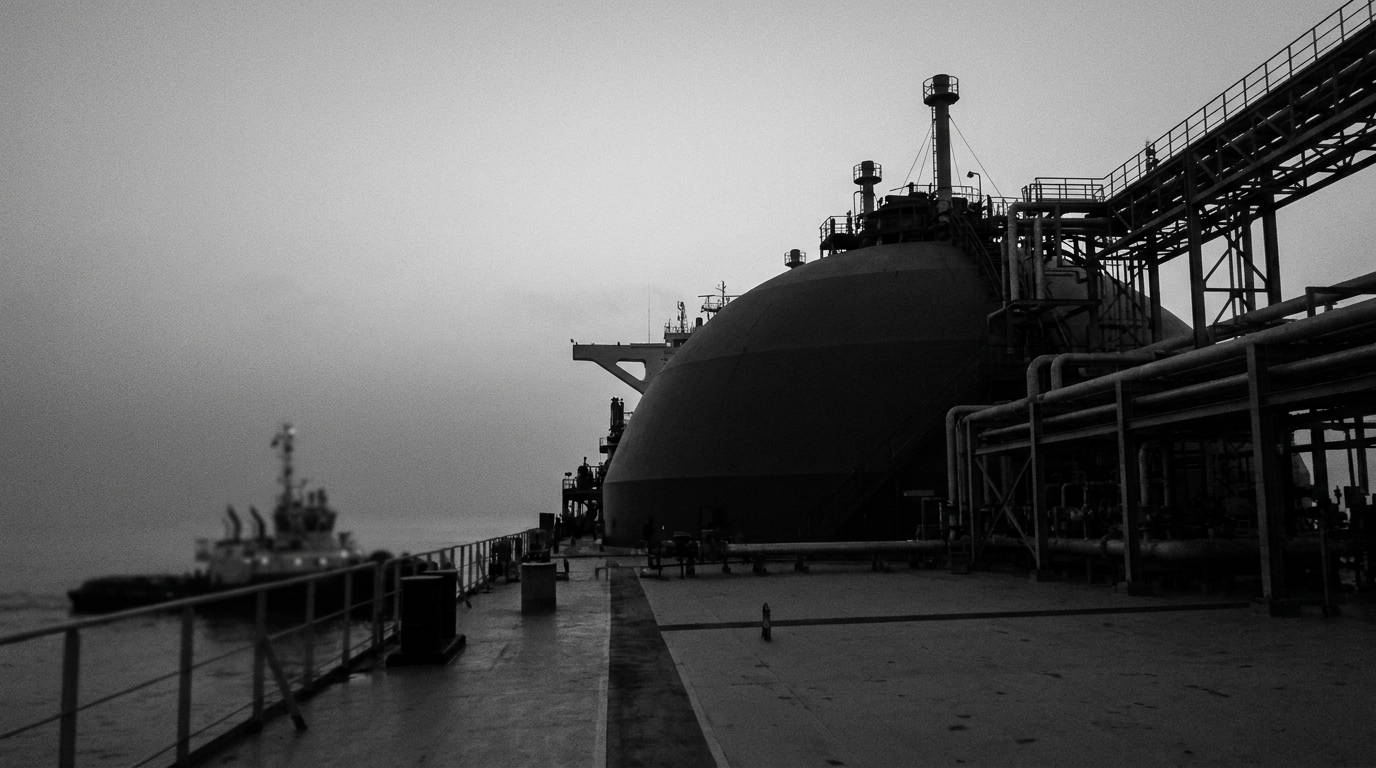
Strait of Hormuz tanker damage left a Qatari LNG vessel on fire and a Saudi-flagged crude carrier damaged, according to source accounts.
The Qatari LNG carrier Al Rekayyat was loaded with liquefied natural gas when it sent distress calls after being hit on its port side, one person familiar with the matter said. Other people with knowledge of the incident said the crew was safe and evacuation was under way.
Al Rekayyat sends mayday
The vessel’s engine room was burning and filled with smoke, leaving the full condition of the ship uncertain. A recorded radio call attributed to the captain described an attack from above rather than a routine mechanical emergency.
"Mayday mayday mayday. This is vessel Al Rekayyat, LNG vessel Al Rekayyat. We are being hit by drone on port side, top of engine room. Status: engine room fire and full of smoke. Unable to assess further damage."
The account of a drone strike sits alongside separate reports that Iran's Revolutionary Guards fired missiles at ships in the waterway overnight. That difference matters because the type of weapon used would shape insurance claims, military assessments and the response from governments with vessels moving through the area.
Saudi tanker damaged off Oman
A Saudi-flagged crude carrier, believed by maritime security sources to be the supertanker Wedyan, was also reported damaged off Oman’s coast. The cause of that damage was not immediately known, making it harder to determine whether the two cases were part of the same operation or separate incidents in the same tense maritime zone.
The timing is sensitive for Qatar, which has served as a mediator in talks between Washington and Tehran. People familiar with the matter described the Al Rekayyat incident as the first known strike on a Qatari LNG ship since the Iran war began at the end of February.
The same accounts said Iranian missile attacks had earlier caused extensive damage to Qatar's LNG facilities during the conflict. A hit on a loaded LNG tanker extends the pressure from fixed energy infrastructure to the vessels that carry fuel to customers.
Energy routes face fresh strain
For the Al Rekayyat’s operator, the immediate priorities are crew safety, fire control and a damage assessment once smoke clears from the engine room. If the fire is contained and propulsion systems remain repairable, the commercial effect may center on delays, inspection costs and a possible transfer of cargo.
If the engine room damage proves severe, the ship could face a longer outage and the cargo may require a more complex response. For the LNG sector, that would reinforce the operational risk of moving chilled fuel through waters where military activity and commercial shipping now overlap.
The crude tanker case adds a parallel concern for oil transport. Even without a confirmed cause, damage to a Saudi-flagged carrier off Oman can raise caution among shipowners, charterers and insurers until authorities establish whether the vessel was targeted.
The global macro channel runs through transport risk rather than a confirmed supply loss at this stage. If ships continue to move and damage remains isolated, the effect may be limited to higher vigilance and route-level risk pricing for energy cargoes.
If attacks become repeated or more clearly coordinated, the mechanism changes. Higher insurance costs, slower voyages, port delays or rerouting decisions could raise delivered energy costs for buyers and complicate fuel planning for import-dependent economies.
The open questions are concrete: whether Al Rekayyat was struck by a drone, missile or another weapon; how badly its engine room was damaged; and what caused the damage to the Saudi-flagged tanker. Those findings will determine whether the incident is treated as an isolated maritime emergency or a wider escalation affecting LNG and crude shipping near the Strait of Hormuz.