

Formula 1 Proceeds With Season Finale Despite Heightened Regional Security Risks
Formula 1 will conclude its 2026 season in the Middle East, relying on security guarantees despite participant concerns over regional geopolitical instability.
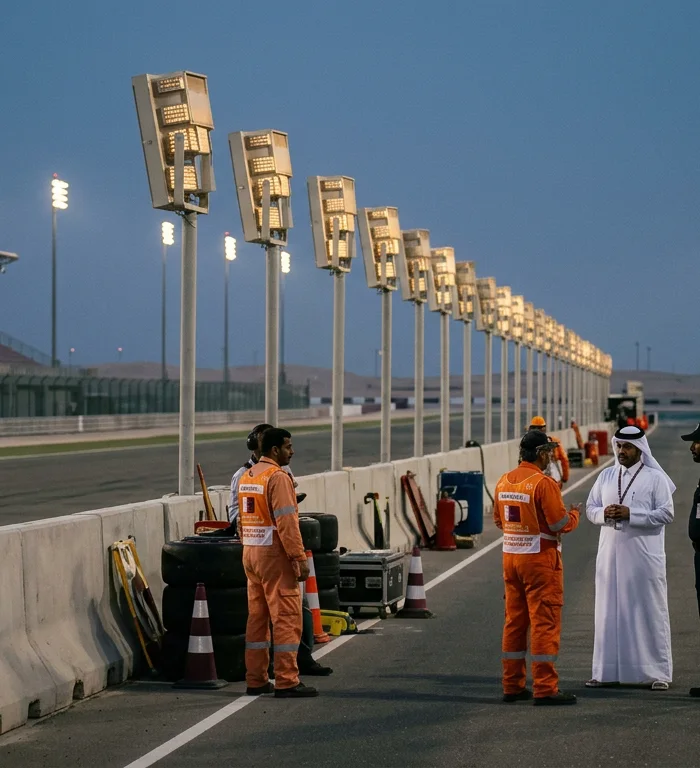
Formula 1 has officially committed to concluding the 2026 racing season in Qatar and Abu Dhabi, rejecting proposals to utilize Imola as an alternative venue. The decision follows internal assessments by the sport’s governing body, which maintains that security protocols are sufficient to mitigate risks associated with ongoing regional conflicts. Officials have cited the recent successful execution of a MotoGP event in Qatar as evidence that the operational environment remains viable for international sporting events.
Despite the formal assurances provided by the sport’s leadership, concerns regarding the safety of personnel remain a point of discussion among participants. High-profile competitors have acknowledged that while they rely on the security guarantees provided by the organization, the broader geopolitical instability in the region creates a significant degree of personal apprehension. The reliance on private intelligence and government-backed safety assurances serves as the primary justification for proceeding with the scheduled events.
From an institutional perspective, the decision to proceed is driven by contractual obligations and competitive stakes, specifically regarding the constructors' championship standings. Unlike other racing series that have opted to withdraw from the region due to security volatility, Formula 1 has prioritized the completion of its calendar. The organization continues to assert that its risk management framework accounts for the proximity of regional hostilities, maintaining that the probability of incident remains within acceptable operational thresholds.
Moving forward, the sport faces the challenge of managing participant sentiment while balancing its commitment to regional partners. The reliance on external security guarantees places the burden of responsibility on the governing body should the security environment deteriorate during the final two rounds of the season. Stakeholders will continue to monitor the situation for any shifts in regional stability that could necessitate a rapid reassessment of these safety protocols.
More stories
- Hull City 2–0 Brighton: When Resilience Beat Reputation
- Aleksey Batrakov Attracts Barcelona Transfer Interest
- Manchester United weigh Osimhen move, transfer report says
- Ravens 20, Chargers 23: A season at the edge
- Billie Jean King ties 39 majors to equal-pay fight
- Cavaliers list Jarrett Allen questionable for Hornets game
Latest news
- Eisenkot secures first coalition deal but lacks majority
- Trump prepares tariffs on China and other major exporters
- New-car buyers pay record average $50,087 in October
- Banks face ECB reserve debate over liquidity and profits
- Investors see Anthropic debut gains fade below $83 a share
- Iraq orders federal control over Kurdish-area oilfields
- Germans oppose Ukraine aid as poll shows support slipping
- Kim Jong-un receives 10 envoys after constitutional shift