Former Google Executive Matt Brittin Appointed Director General of the BBC
Matt Brittin, 57, takes over as BBC Director General immediately, as the broadcaster faces funding pressure and a push toward digital and tech-led savings.
Lauren Collins ·
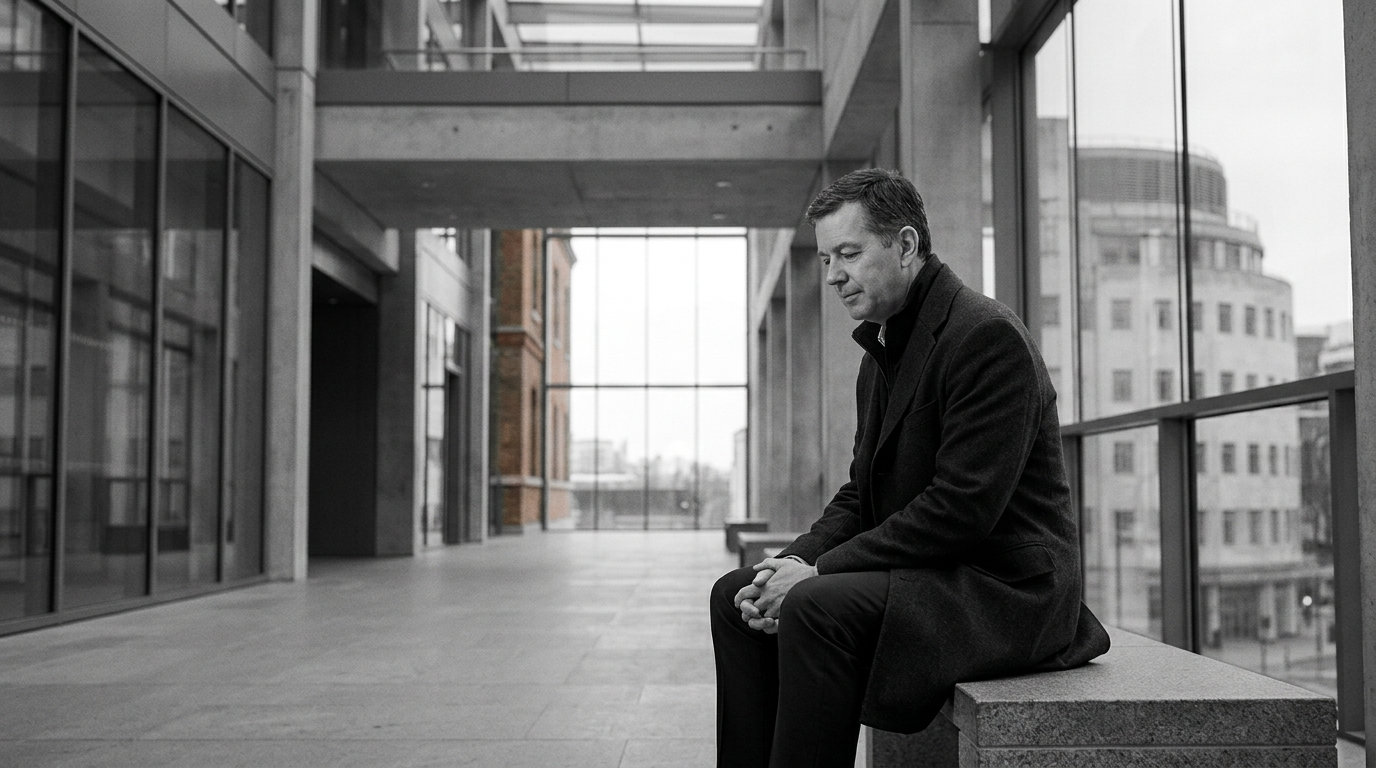
Matt Brittin, a former senior Google executive, has been appointed Director General of the British Broadcasting Corporation, taking up the post with immediate effect.
The 57-year-old steps into the BBC’s top job as the organisation manages financial strain and heightened political attention, while also accelerating a shift toward digital distribution and technology-driven efficiencies.
Leadership change and what is known
Brittin previously ran Google’s business across Europe, the Middle East and Africa, a role he held for nearly two decades. The BBC has not detailed additional terms of his appointment in the provided information, but the start date is described as immediate.
He does not have direct broadcasting experience, based on the information available. The expectation set out alongside the appointment is that his background in technology and commercial operations will be used to help steer the BBC through a period of transition.
Financial pressures and the digital pivot
The BBC is implementing a significant savings programme as the real-world value of its licence fee has been weakening. At the same time, the organisation remains in discussions about its longer-term funding approach, with its output also subject to ongoing scrutiny.
Against that backdrop, Brittin’s selection is presented as a strategic move toward a more digital-first BBC, with cost reductions supported by technology. The appointment indicates the BBC board is prioritising operational execution and modernisation as it responds to these pressures.
Track record and points of sensitivity
During his time at Google, Brittin operated under public attention on issues that included the company’s UK corporation tax payments and content moderation questions linked to platforms such as YouTube. The source material does not describe any findings of wrongdoing, but it does note that these topics drew scrutiny.
His move to the BBC therefore places a technology-and-advertising veteran at the head of a publicly funded broadcaster that is debating how it should be financed. How Brittin balances commercial expertise with the BBC’s public-service remit is not addressed in the available facts and remains an open question.
Recruitment context and what remains uncertain
The appointment follows a search in which several potential candidates—described as mostly women—reportedly chose not to be considered, underscoring how demanding the role is perceived to be. No further details are provided on who declined or why.
What is clear is the timing: Brittin arrives while the BBC is cutting costs, reassessing how it is funded, and facing persistent examination of its journalism. The extent of planned changes, the pace of digital restructuring, and the future shape of the licence fee model are not specified in the source material.