Iran refuses to give in, seeking greater global economic pain - The Washington Post
Iran has rejected diplomatic overtures to de-escalate regional conflict, now in its fourth week, potentially aiming for increased global economic pressure.
Lauren Collins ·
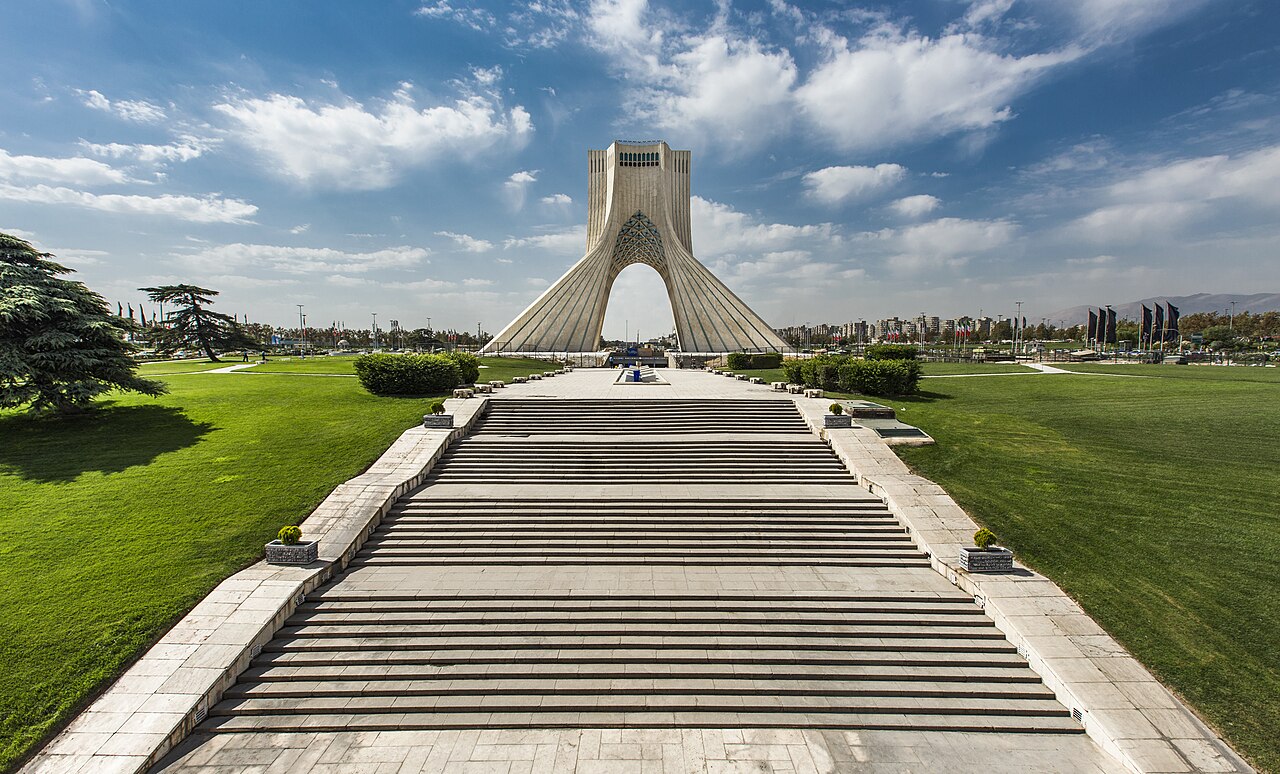
Iran has reportedly declined diplomatic efforts aimed at de-escalating the ongoing regional conflict, now in its fourth week. This refusal, according to regional officials, suggests Tehran's strategy may involve increasing global economic pressure. The United States and Israel have been conducting operations, some targeting energy infrastructure, which are perceived as attempts to exert leverage on Iran.
Regional Dynamics and Diplomatic Stance
The current geopolitical situation in the Middle East has seen heightened tensions, with various actors expressing concern over potential broader instability. Iran's consistent rejection of diplomatic pathways indicates a calculated approach, possibly to withstand and even amplify economic disruptions. This posture could be intended to achieve specific strategic objectives amidst the protracted conflict.
Global Energy Market Implications
The focus of recent U.S. operations has increasingly shifted towards global energy flows. This development, coupled with Iran's stance, carries significant implications for international energy markets. Disruptions in this sector could lead to price volatility and supply chain challenges, affecting economies worldwide. The ongoing hostilities underscore the fragility of energy security in the region.
Strategic Objectives and Economic Pressure
Tehran's apparent willingness to endure and potentially exacerbate economic challenges suggests a long-term strategic calculation. This approach contrasts with the U.S. and Israeli actions, which are designed to impose economic costs on Iran. The interplay between these strategies contributes to the prolonged nature of the conflict and the potential for wider economic repercussions.
Outlook for Regional Security
The continued resistance to diplomatic solutions by Iran prolongs the current state of conflict. This situation raises the possibility of an expanded scope of military engagement across the Middle East. Regional security dynamics remain precarious, with the potential for further escalation if diplomatic impasses persist and economic pressures intensify. International observers are closely monitoring developments for signs of de-escalation or further confrontation.
Implications
Country Impact: The prolonged conflict and Iran's stance could lead to increased internal economic strain within Iran, potentially impacting domestic stability and resource allocation. Neighboring countries face heightened security risks and potential refugee flows.
Industry Impact: The global energy sector faces significant uncertainty, with potential for supply disruptions and price increases. Shipping and logistics industries operating in the Middle East may experience increased insurance costs and operational challenges.
Market Impact: Global commodity markets, particularly oil and gas, are likely to experience increased volatility. Investor confidence in regional assets may decline, leading to capital outflows and currency fluctuations in affected economies.