Former Google Executive Matt Brittin to Lead BBC
Former Google executive Matt Brittin is expected to be named the next Director-General of the BBC, facing digital shifts and funding debates.
Lauren Collins ·
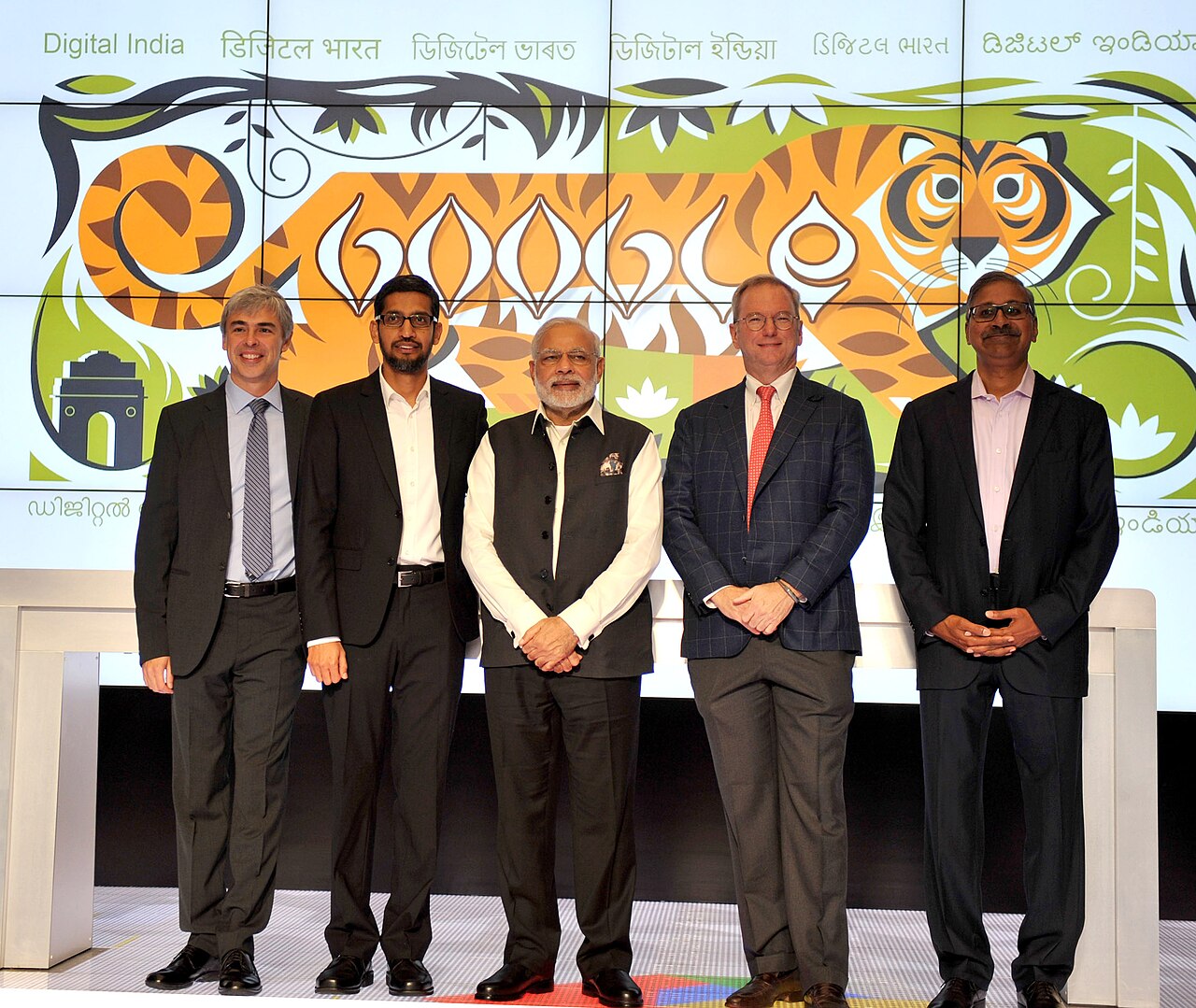
Matt Brittin, a former senior executive at Google, is expected to be appointed as the next Director-General of the British Broadcasting Corporation (BBC). This leadership change comes as the public broadcaster faces significant challenges in a rapidly evolving media landscape.
Brittin's anticipated selection follows his departure from Google last year, where he oversaw operations across Europe, the Middle East, and Africa for a decade. The BBC's board is reportedly scheduled to finalize discussions on the appointment this week, with an official announcement potentially imminent.
New Leadership Amid Digital Transformation
The incoming Director-General will succeed Tim Davie, who has led the BBC through a period of intense scrutiny and digital transition. Brittin's background at a major technology company like Google, which owns platforms such as YouTube, positions him to address the competitive pressures from digital streaming services.
His previous statements indicate an appreciation for the British television industry and a belief that technological advancements, including artificial intelligence, offer opportunities for creative expansion. However, he has also acknowledged potential risks, such as intellectual property concerns, associated with these technologies.
Navigating Funding and Charter Renewal
A primary task for Brittin will be engaging with the UK government on the BBC's royal charter renewal and its future funding model. The corporation is currently resisting proposals that advocate for a shift towards a subscription-based or advertising-funded service.
The BBC maintains that such changes would undermine its core mission of providing universal access to content for all UK citizens. The debate over funding has been a recurring theme, with the government exploring alternatives to the current license fee model.
Strategic Challenges and Market Shifts
The appointment occurs at a critical juncture for the BBC, which is grappling with changing audience consumption habits. Viewers are increasingly migrating to on-demand digital platforms, challenging traditional broadcast models and revenue streams.
Brittin's experience in a global tech giant could offer insights into adapting to these shifts while preserving the BBC's public service mandate. The corporation's ability to innovate digitally while maintaining its unique position in the UK media landscape will be a key measure of his tenure.
Outlook for Public Broadcasting
The future direction of the BBC under new leadership will have significant implications for public broadcasting globally. Its ability to balance commercial pressures with its public service obligations, particularly in a fragmented digital environment, will be closely watched.
Brittin's strategic vision for integrating technology and addressing funding challenges will be crucial in shaping the BBC's relevance and sustainability in the coming years. The outcome of charter negotiations will define the financial framework for this transformation.
Implications
Country Impact: The UK's public broadcasting landscape could see significant strategic shifts under new leadership, particularly concerning funding models and digital adaptation. Debates over the BBC's royal charter and license fee are expected to intensify, impacting its universal service provision.
Industry Impact: The global media industry will observe how a traditional public broadcaster, led by a former tech executive, navigates digital disruption and competition from streaming platforms. This appointment signals a potential pivot towards leveraging technology for content delivery and engagement.
Market Impact: While direct market impact is limited, the BBC's future funding model could influence advertising markets and subscription service competition in the UK. Any move away from the license fee could create new opportunities or challenges for commercial media entities.