Trump: US Needs No Hormuz Coalition for Passage
Former U.S. President Trump stated on March 17, 2026, the U.S. needs no coalition to secure the Strait of Hormuz, criticizing allies.
Lauren Collins ·
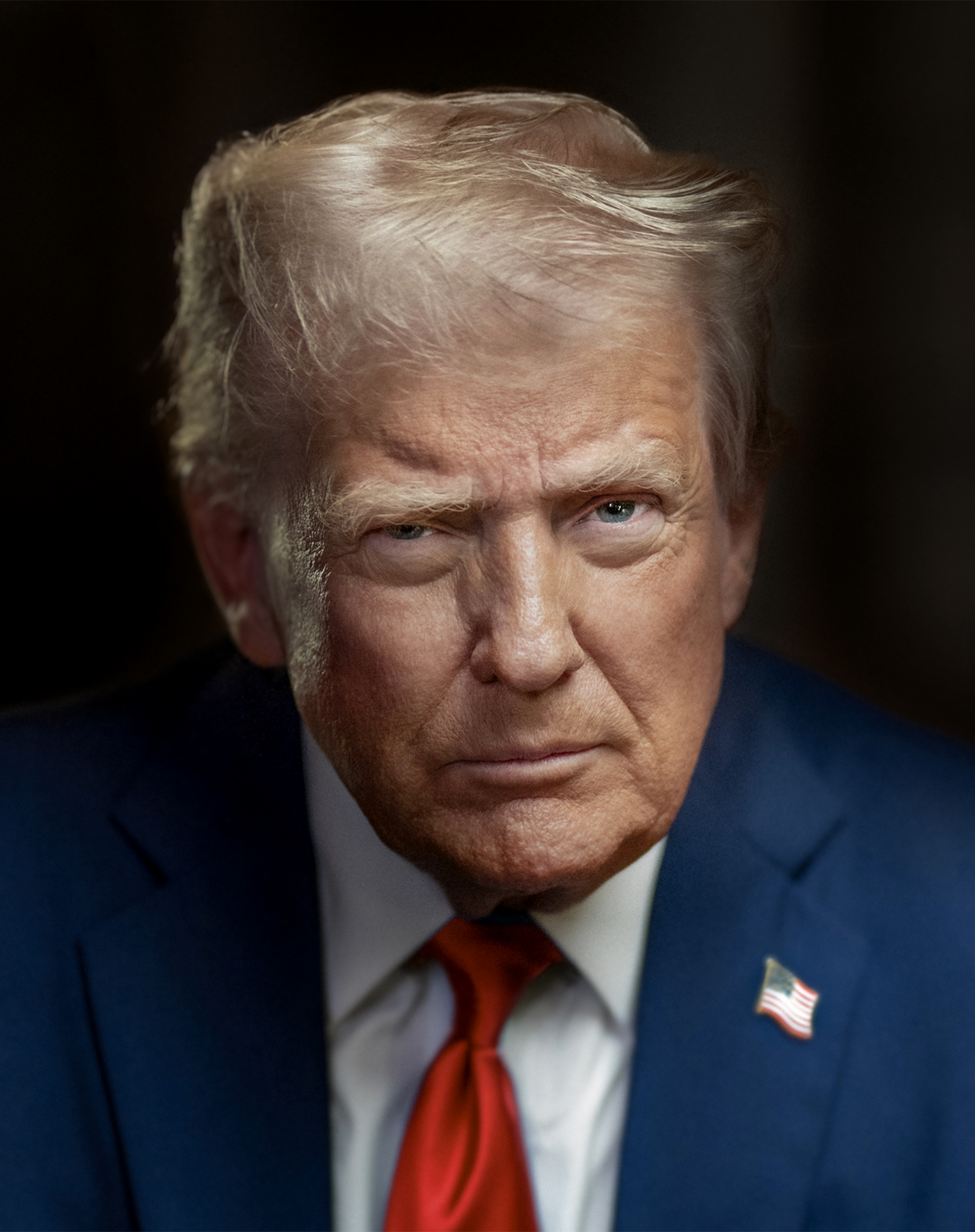
Former U.S. President Donald Trump asserted on March 17, 2026, that the United States possesses the capability to independently ensure the free flow of shipping through the Strait of Hormuz. This declaration came during a meeting in the Oval Office with Irish Taoiseach Michael Martin, where Trump indicated a shift from his earlier calls for an international naval coalition to secure the vital waterway. His comments highlighted a perceived lack of commitment from traditional allies.
Trump's statement followed a weekend appeal for nations with significant economic interests in the Strait of Hormuz to contribute to a joint naval force. The objective of this proposed coalition was to safeguard maritime traffic in the strait, a critical chokepoint for global oil shipments. Despite his previous outreach, Trump criticized allies who had not committed to the initiative.
International Response to Coalition Proposal
Prior to his latest remarks, Trump had announced on March 16 that several countries had expressed willingness to join the coalition, though he did not specify which nations. He did, however, acknowledge diplomatic support from various Gulf states, including Qatar, the United Arab Emirates, Saudi Arabia, and Bahrain, alongside Israel. These nations were cited for their "great support" in broader diplomatic efforts concerning regional stability.
European leaders, including French President Emmanuel Macron and UK Prime Minister Keir Starmer, had previously either dismissed or downplayed their countries' involvement in such a military alliance. Other key international partners, such as Germany, Italy, Spain, Australia, Poland, Japan, and South Korea, also conveyed reservations or indicated a need for further assessment before committing.
Critique of NATO and Allied Support
Trump specifically directed criticism towards the North Atlantic Treaty Organization (NATO), suggesting the alliance was making a "foolish mistake" by not backing the U.S. in this maritime security endeavor. He contrasted this perceived inaction with the substantial U.S. financial contributions to NATO and its ongoing support for Ukraine, implying a disproportionate burden-sharing within the alliance.
Strategic Importance of the Strait of Hormuz
The Strait of Hormuz is a narrow sea passage connecting the Persian Gulf to the Arabian Sea and the open ocean. It is globally recognized as a critical transit point for a significant portion of the world's seaborne oil, estimated to be between 20% and 30% of total global oil traffic. Its strategic importance makes it a frequent flashpoint in regional and international geopolitics, with any disruption having immediate and far-reaching implications for global energy markets and supply chains.
Historically, the U.S. Navy has maintained a substantial presence in the region to ensure freedom of navigation. The debate over international burden-sharing for maritime security in the Strait reflects broader discussions about alliance responsibilities and the evolving landscape of global security cooperation.
Implications
Country Impact: The U.S. stance could signal a more unilateral approach to maritime security in critical waterways, potentially straining relationships with allies who prefer multilateral solutions. It may also prompt other nations to reassess their own naval capabilities and regional security strategies.
Industry Impact: Energy markets could react to perceived shifts in security guarantees for the Strait of Hormuz, a key oil transit point. Increased uncertainty, even if rhetorical, might lead to short-term volatility in oil prices and shipping insurance premiums.
Market Impact: Global financial markets may interpret a more unilateral U.S. foreign policy as a source of geopolitical risk. This could influence investor sentiment, particularly in sectors sensitive to energy prices and international trade stability.