US Calls for Cuban Leadership Change Amid Sanctions
The U.S. has called for a change in Cuba's leadership, citing economic dysfunction and insufficient reforms, amid ongoing sanctions and a de facto fuel…
Lauren Collins ·
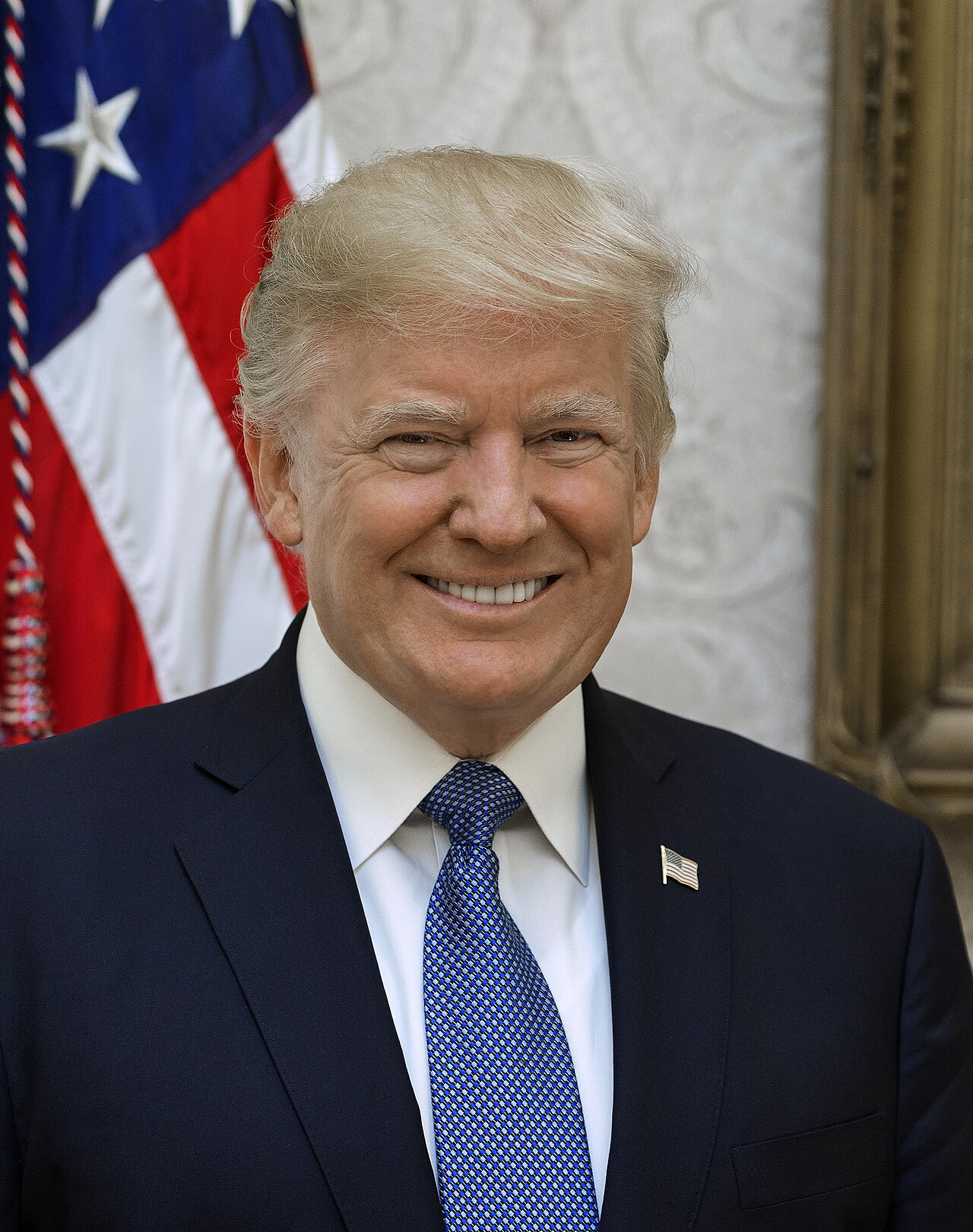
The United States government has publicly called for a change in Cuba's political leadership, citing the island nation's economic and governance structures. Secretary of State Marco Rubio articulated this position on Tuesday, March 17, 2026, during an event at the White House. This declaration underscores ongoing U.S. pressure on Havana, which includes a de facto fuel embargo initiated following the abduction of Venezuelan leader Nicolas Maduro.
Rubio asserted that Cuba's economic system is inherently flawed under its current administration. He dismissed recent Cuban reforms, such as measures allowing exiled citizens to invest, as inadequate to address the nation's systemic issues. The Secretary of State emphasized Cuba's historical reliance on external subsidies and suggested that the current leadership is incapable of resolving the country's challenges, necessitating new governance.
Presidential Stance on Cuba
U.S. President Donald Trump also indicated forthcoming actions concerning Cuba. The President had previously alluded to a potential "friendly takeover" and stated that the U.S. would be "doing something with Cuba very soon." These remarks align with reports suggesting the Trump administration's objective is the resignation of Cuban President Miguel Diaz-Canel.
Decades of US-Cuba Relations
The U.S. has maintained a comprehensive trade embargo against Cuba for decades, a policy that has significantly shaped the island's economic trajectory. This long-standing embargo is a central component of the complex and often contentious relationship between the two nations. The recent U.S. statements reflect a continuation of this assertive foreign policy stance.
Cuba's Economic Challenges
Cuba is currently grappling with a severe economic crisis, evidenced by a widespread national power outage that occurred on Monday, March 16, 2026. The blackout impacted the capital city of Havana, which has a population of 1.7 million residents, before electricity was partially restored. Such infrastructure failures highlight the deep-seated economic difficulties facing the country, which the U.S. administration points to as justification for its demands for leadership change.
International Context and Implications
The U.S. stance on Cuba is part of a broader foreign policy approach towards Latin America, particularly concerning nations with socialist governments. The pressure on Cuba, including economic sanctions and calls for political transition, is often viewed within the context of regional geopolitical dynamics and U.S. efforts to influence governance in the Western Hemisphere. The effectiveness of such policies in achieving desired outcomes remains a subject of international debate and analysis.
Implications
Country Impact: The U.S. demand for leadership change could intensify political instability within Cuba and exacerbate its ongoing economic crisis. Increased U.S. pressure may also lead to further isolation of the Cuban regime and potential humanitarian challenges for its population.
Industry Impact: Industries reliant on trade with Cuba, particularly those in tourism and agriculture, could face continued restrictions and uncertainty. The de facto fuel embargo further constrains Cuba's energy sector and broader economic activity.
Market Impact: Global markets may see limited direct impact, but regional investors with exposure to Latin American economies could monitor the situation for broader geopolitical shifts. The long-standing U.S. embargo and recent actions contribute to a high-risk perception for foreign investment in Cuba.