Roberts Calls for End to Judicial Hostility
Chief Justice John Roberts urged an end to personal hostility against judges, emphasizing that such attacks endanger judicial independence.
Lauren Collins ·
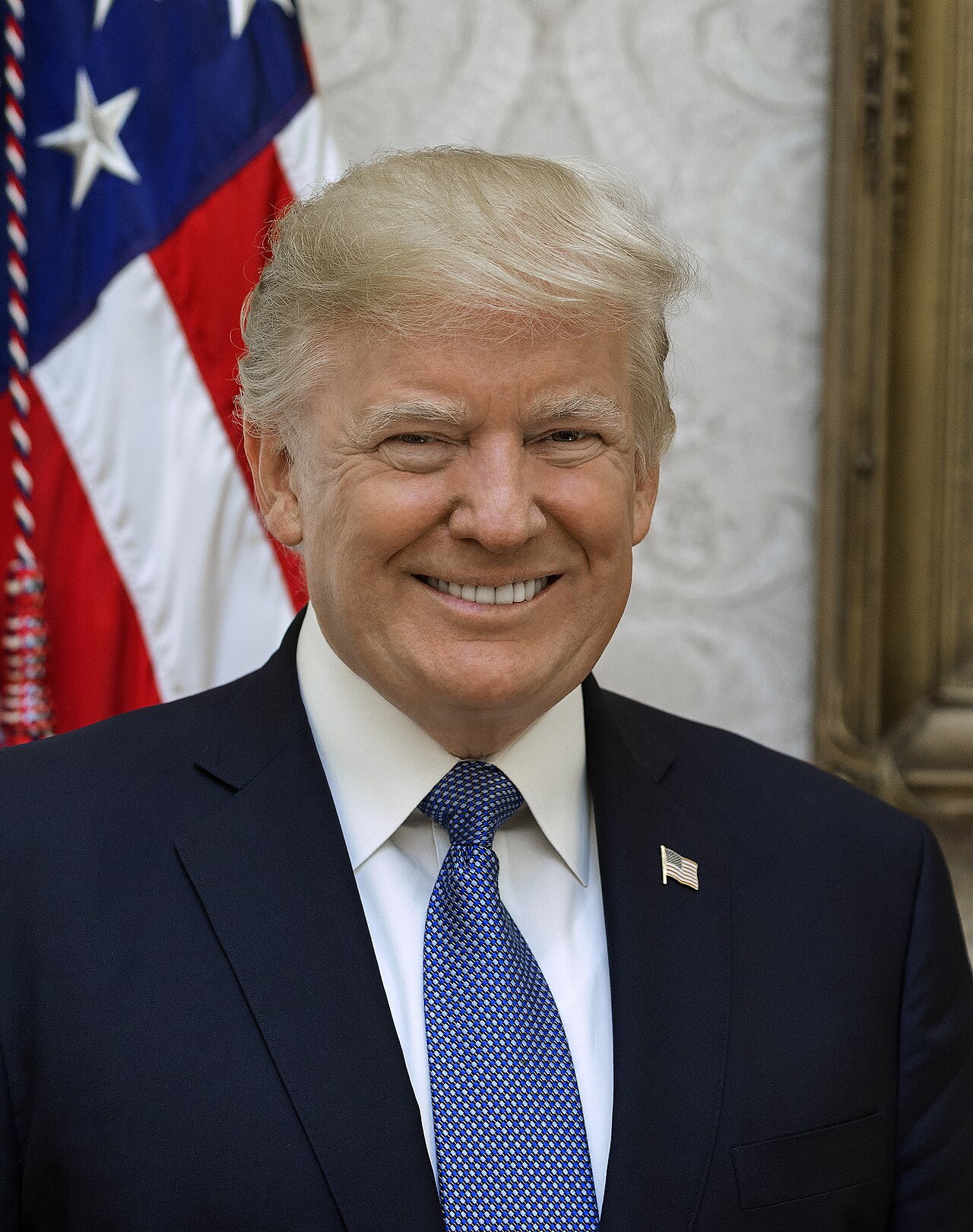
Chief Justice John Roberts recently addressed the increasing personal hostility directed at members of the judiciary, cautioning that such actions pose a significant danger. Speaking at Rice University in Houston, Texas, Roberts distinguished between legitimate criticism of judicial rulings and unacceptable personal attacks on judges.
Roberts, who has presided over the Supreme Court for over two decades, did not specifically name any individuals. However, his comments follow a period of heightened criticism, including remarks from former President Donald Trump targeting judges who have issued rulings adverse to his interests or administration. Trump has previously called for disciplinary action and removal of judges, such as federal judge James Boasberg, after unfavorable decisions.
Judicial Independence and Public Discourse
The Chief Justice underscored that judges across the United States are committed to rendering accurate decisions, and their opinions are subject to public scrutiny. Nevertheless, he stressed that hostility aimed at individual judges erodes the independence and integrity of the judicial system, which is fundamental to its function.
This recent statement aligns with Roberts' past public remarks concerning the judiciary's role and the nature of public discourse surrounding it. In a rare intervention in 2024, he characterized impeachment as an inappropriate response to disagreements over judicial decisions. Furthermore, his 2024 year-end report warned against acts of violence, intimidation, and threats to defy court judgments.
Historical Context of Judicial Criticism
Historically, the judiciary has faced scrutiny, but the nature of criticism has evolved. While legal scholars and the public have always debated court decisions, the shift towards personal attacks on judges represents a concerning trend for judicial leaders. Such rhetoric can undermine public trust in the impartiality of the courts and potentially influence judicial processes.
Roberts' consistent messaging highlights a broader concern within the legal community regarding the politicization of the judiciary. The Supreme Court, under his leadership, has often sought to project an image of non-partisanship, despite facing increasing political polarization in recent years. His remarks serve as a reminder of the delicate balance between public accountability and judicial autonomy.
Implications for Rule of Law
The Chief Justice's intervention underscores the importance of maintaining respect for judicial institutions to uphold the rule of law. When judges are subjected to personal threats or undue pressure, it can compromise their ability to make decisions based solely on legal principles and facts. This situation could have long-term implications for the stability and predictability of the legal system.
Roberts' address reinforces the principle that while judicial decisions are open to rigorous debate, the individuals rendering those decisions must be protected from personal attacks to ensure the judiciary can function effectively as an independent branch of government.
Implications
Country Impact: The Chief Justice's remarks highlight growing concerns about the politicization of the judiciary and its potential impact on the rule of law within the United States. This could influence public perception of judicial impartiality and the stability of legal processes.
Industry Impact: The legal profession and judicial institutions face increased pressure to defend their independence against personal attacks. This situation may lead to calls for stronger protections for judges and a re-evaluation of ethical guidelines for public commentary on judicial matters.
Market Impact: While not directly impacting financial markets, a perceived erosion of judicial independence could indirectly affect investor confidence in the long term by signaling instability in the legal and regulatory environment, particularly concerning contract enforcement and property rights.