Trump Criticizes Supreme Court Over 2020 Election
Donald Trump criticized the Supreme Court for not overturning 2020 election results, reiterating claims of a "Rigged Presidential Election."
Lauren Collins ·
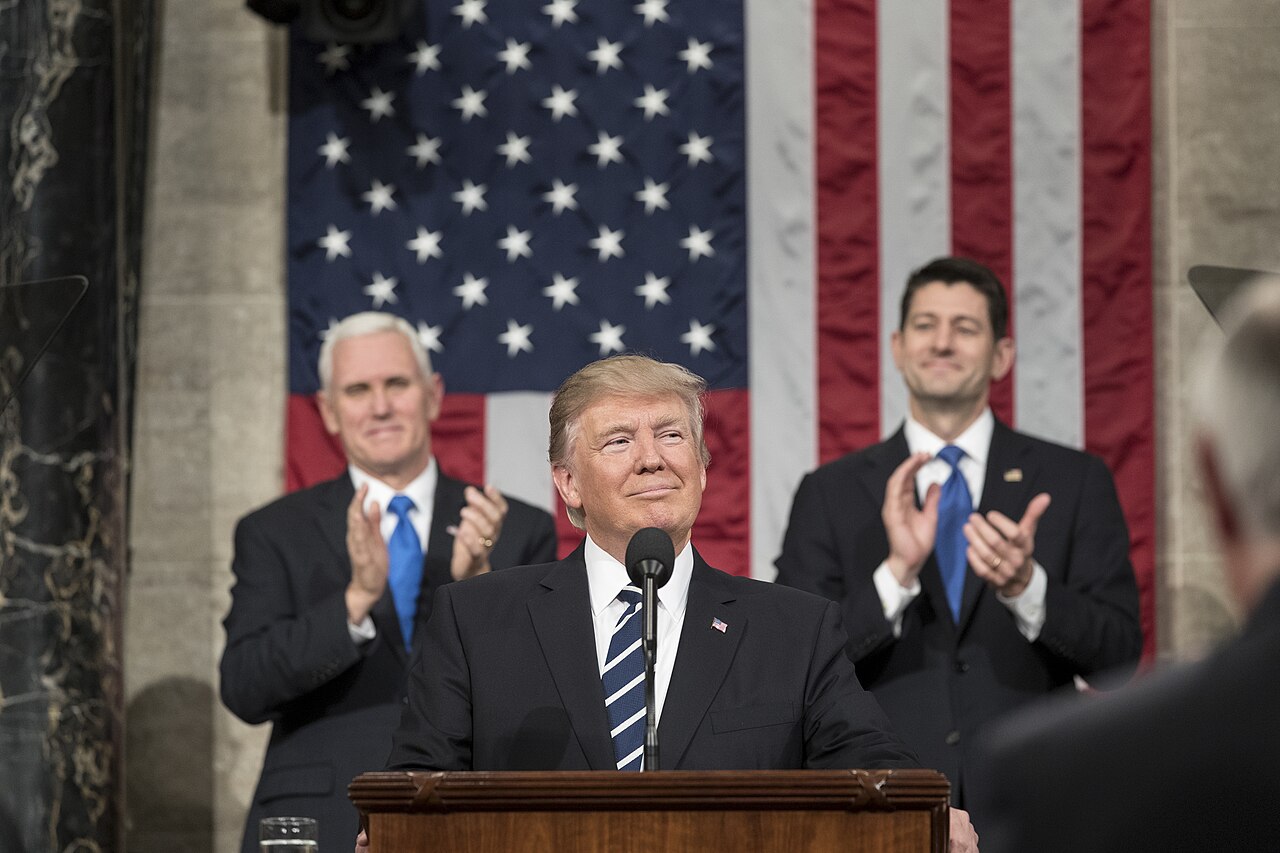
Former U.S. President Donald Trump recently voiced strong disapproval of the Supreme Court's handling of the 2020 presidential election results. On Sunday, June 23, 2024, Mr. Trump utilized social media platforms to assert that the Court failed to address what he described as a "Rigged Presidential Election," reiterating his long-standing claims regarding the election's legitimacy.
This recent critique aligns with Mr. Trump's pattern of publicly challenging judicial decisions that have not favored his political stances. His remarks specifically recalled the Supreme Court's 2020 decision to reject a lawsuit that sought to invalidate President Joe Biden's electoral victories in several key states.
The lawsuit, initiated by the state of Texas, received support from 18 Republican state attorneys general and 106 Republican members of Congress. It aimed to overturn election outcomes in Georgia, Michigan, Pennsylvania, and Wisconsin. The Supreme Court declined to hear the case, citing a lack of legal standing for the challenge, a point Mr. Trump highlighted in his recent statements.
Mr. Trump characterized the Supreme Court as "inept and embarrassing," suggesting its actions were detrimental to the nation. This criticism underscores his continued efforts to question the integrity of the 2020 election and the institutions that upheld its results.
Broader Judicial Criticisms
Beyond his comments on the Supreme Court, Mr. Trump also extended his criticism to other prominent figures within the U.S. judicial and financial systems. He targeted Federal Reserve Chair Jerome Powell and Chief Judge James Boasberg of the District Court for D.C.
Mr. Trump specifically criticized Judge Boasberg for quashing grand jury subpoenas that had been issued against Chair Powell. These subpoenas, reportedly from U.S. Attorney Jeanine Pirro, were connected to an investigation concerning the Federal Reserve.
Accusing Judge Boasberg of partisan bias, Mr. Trump called for disciplinary measures against the judge. These broader criticisms indicate a consistent theme in Mr. Trump's public commentary, often challenging the impartiality and decisions of various governmental and judicial bodies.
Context of Election Challenges
The 2020 U.S. presidential election saw numerous legal challenges filed by Mr. Trump's campaign and its allies, nearly all of which were unsuccessful. These cases spanned multiple state and federal courts, including the Supreme Court, and largely focused on allegations of widespread voter fraud, which were not substantiated by evidence presented in court.
The Supreme Court's refusal to hear the Texas lawsuit in December 2020 was a significant moment, effectively ending the most prominent legal avenue for overturning the election results. The Court's decision was based on procedural grounds, specifically that Texas lacked standing to challenge election procedures in other states.
Political Implications
Mr. Trump's ongoing criticisms of the judiciary and the 2020 election results continue to resonate with his political base. These statements are often interpreted as part of his broader strategy to maintain influence within the Republican Party and to frame his political narrative ahead of future electoral contests. The repeated questioning of institutional legitimacy can have long-term implications for public trust in governmental bodies.
Implications
Country Impact: The ongoing debate surrounding the 2020 election and judicial decisions contributes to political polarization and may impact public confidence in democratic institutions within the United States.
Industry Impact: While direct industry impact is limited, sustained criticism of the Federal Reserve or other financial institutions could introduce uncertainty, potentially affecting market sentiment or regulatory stability.
Market Impact: Continued political rhetoric questioning institutional integrity could introduce minor market volatility, particularly in sectors sensitive to political stability, though direct economic impact from these specific statements is generally low.