Iran conflict hits energy flows, reshapes global growth
Iran conflict-driven shipping disruption cuts Hormuz traffic 90%, weighing on Asia and Europe more than the US as forecasts shift.
Lauren Collins ·
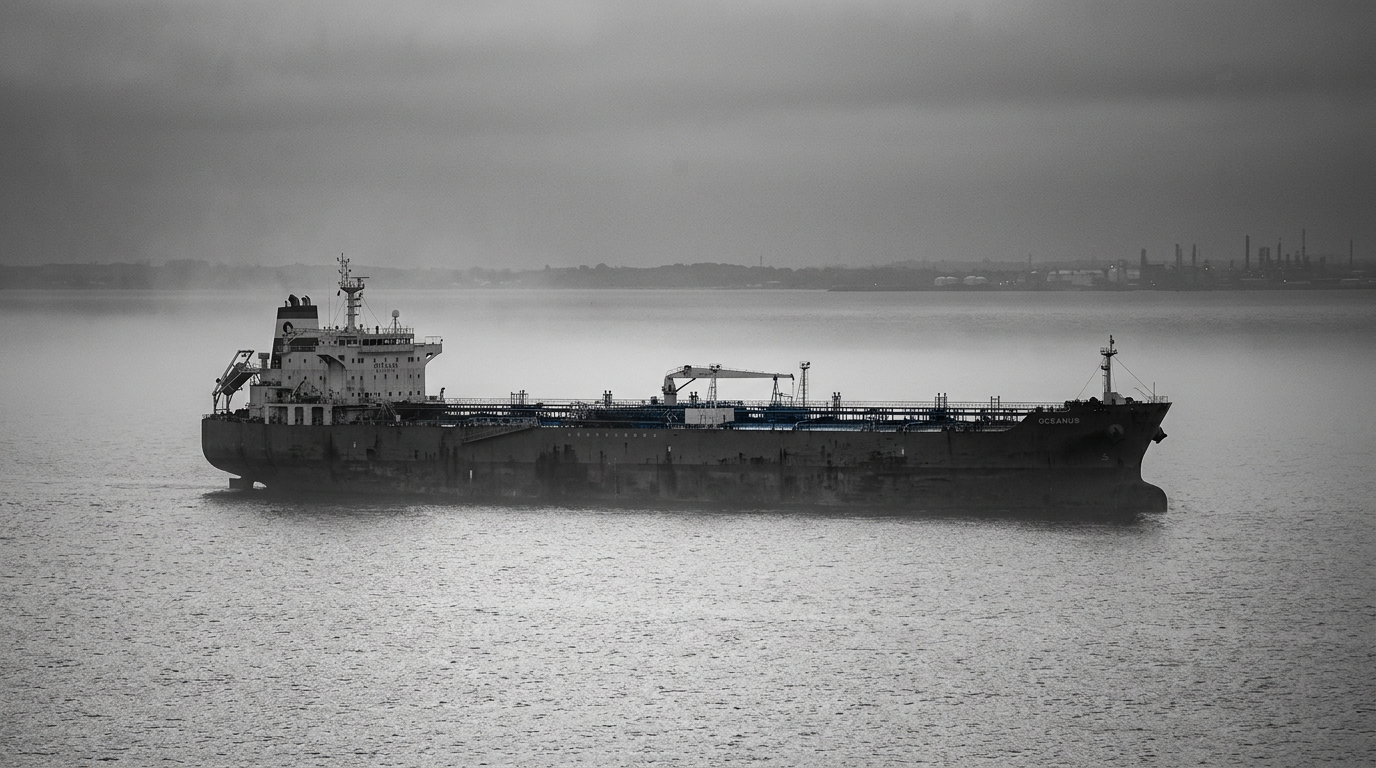
Disruptions linked to the Iran conflict are rippling through energy supply lines and trade, with Asia and Europe bearing a larger near-term economic burden than the United States.
The most acute shock has been at the Strait of Hormuz, a major passage for oil and gas shipments. Since the conflict began, traffic through the strait has fallen by 90%, tightening supply conditions for import-dependent economies.
Energy exposure shifts the economic hit
Asian economies are particularly exposed because they import more than one-third of their energy from the Gulf. South Korea is cited as sourcing 80% of its energy from the region, while Japan is listed at 90%, leaving both vulnerable to constraints when flows are interrupted.
Europe is also affected through higher energy costs and trade frictions tied to disrupted routes. The source material does not provide country-by-country European import shares, but it links the region’s market performance to the broader energy and trade shock.
Markets reflect uneven regional resilience
Equity benchmarks have moved differently across regions since the war began. By March 20, the MSCI index tracking European stocks was down about 11%, compared with a roughly 9% decline in the MSCI Asia index.
US equities fell less over the same period, with the S&P 500 down about 5%. The source attributes this relative resilience to the United States’ large domestic natural gas output, which is described as meeting about 36% of US energy needs and reducing sensitivity to international price swings.
Forecasts point to slower trade and uneven growth
International institutions have adjusted expectations in response to the energy-price and trade-route disruption. The International Monetary Fund raised its 2024 US growth forecast to 2.4%, which is 0.4 percentage points higher than its October 2023 projection.
In contrast, the IMF expects weaker growth prospects for Britain, Japan, Canada, India, the euro area, and Latin America. The source does not quantify the size of those downgrades, limiting direct comparisons across economies.
Trade outlook depends on energy prices
The World Trade Organization warns that if elevated energy prices persist, global merchandise trade growth could slow to 1.5% from 1.9% this year. It also projects North American export growth easing to 1.1% from 1.4%.
For Europe, the WTO’s scenario is more severe: exports are expected to contract by 0.6% rather than expand by 0.5%. How closely outcomes track these projections remains uncertain because they depend on the duration of high energy prices and the extent of continued disruption at key shipping chokepoints.