Strait of Hormuz risk clouds Europe offshore wind builds
Strait of Hormuz disruption tied to Iran conflict risks delaying UAE-made components for European offshore wind and North Sea grid projects.
Lauren Collins ·
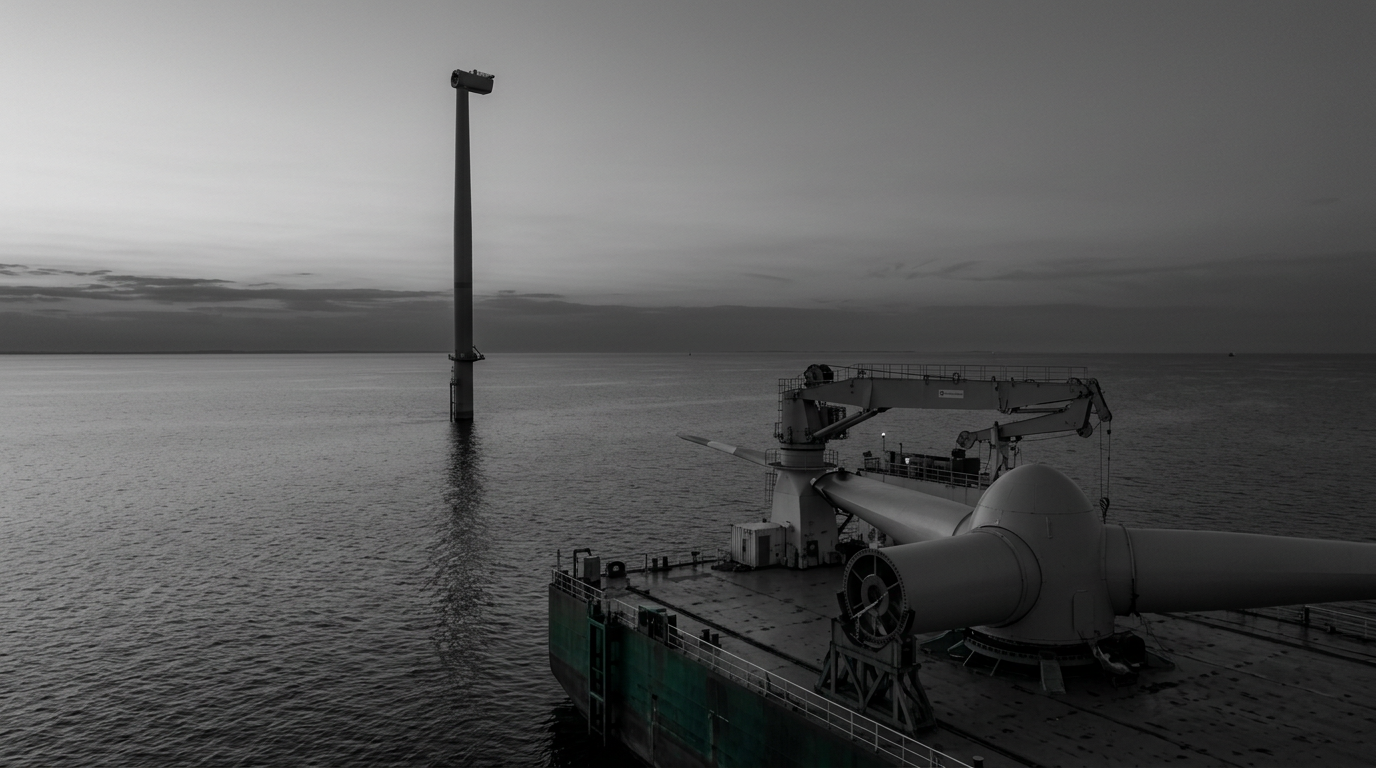
European offshore wind construction schedules are facing fresh uncertainty as disruption in the Strait of Hormuz threatens the flow of key equipment made in the United Arab Emirates.
Two major wind developments planned off Norfolk in the UK are among the projects exposed, because critical items for offshore installation are tied to UAE manufacturing and shipping routes that can be affected by the strait.
What changed and who is exposed
The trigger is the ongoing conflict in Iran, which has raised concerns among industry participants about whether deliveries can arrive on time if the Strait of Hormuz remains disrupted.
Components at risk include turbine foundations and offshore substations—large, specialized structures needed before turbines can be installed and connected to the grid.
UK projects and RWE’s procurement
German renewables group RWE is developing the two Norfolk-area offshore wind projects and has contracted a Dubai-based supplier for more than 180 components.
Those wind farms are intended to supply electricity into the UK system and are projected to power about 4 million homes by the end of the decade, aligning with Britain’s stated aim to quadruple offshore wind capacity by 2030.
Grid links in Germany and TenneT contracts
Supply-chain exposure is not limited to generation assets. TenneT, the transmission operator involved in connecting German North Sea wind output to the mainland, also has contracts with UAE suppliers for structural steel used in offshore grid projects.
The affected German projects named include BorWin6, LanWin2, BalWin3, and LanWin4. Some BorWin6 components were shipped before the strait’s closure, but continued disruption could still pressure timelines for other deliveries.
Why it matters for markets and policy
Offshore wind projects depend on tightly sequenced logistics, and delays in foundations, substations, or steel can cascade into vessel scheduling and installation windows. That can shift expected power delivery dates for the UK, Germany, and the Netherlands, where these projects are intended to add capacity.
RenewableUK, an industry body, has said supply-chain impacts are possible, particularly if disruption in the Strait of Hormuz persists for an extended period. The duration and severity of the shipping constraint remain the key unknowns in assessing the scale of any delay.
Broader context and the push for local supply
The situation is also feeding debate over industrial strategy. Prolonged transport risk could strengthen calls to expand domestic or regional manufacturing of renewable-energy components to reduce exposure to chokepoints and long-distance shipping.
For now, the immediate issue is execution risk: whether contracted components can move on schedule and whether project developers and grid operators can maintain construction plans if the strait remains affected.