Hormuz Disruption Jolts Oil, LNG Markets
Hormuz disruption since early March 2026 has cut Gulf output, triggered force majeure, and lifted oil near $120 while gas prices jumped.
Lauren Collins ·
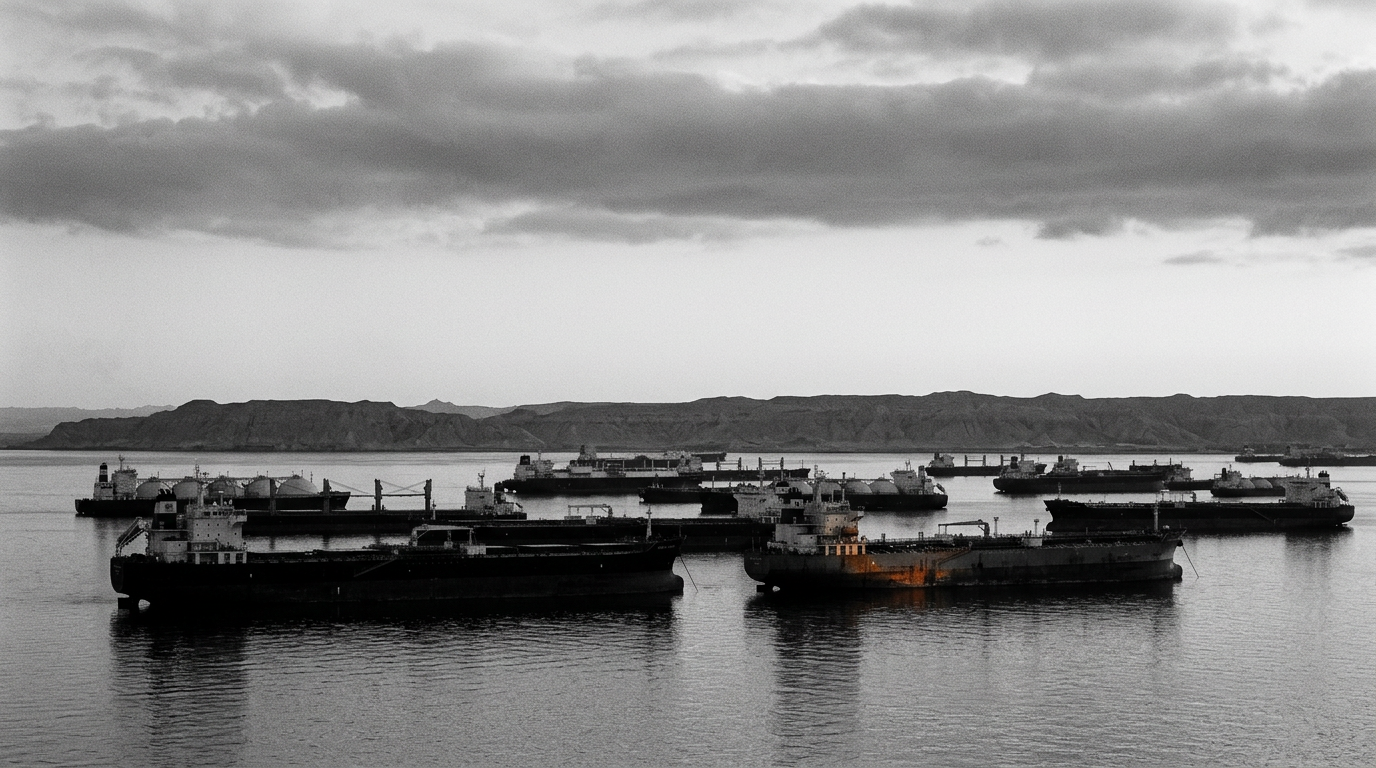
Maritime traffic interruptions in the Strait of Hormuz since early March 2026 have tightened global energy supply and pushed prices sharply higher. The disruption has hit both crude oil and liquefied natural gas (LNG), with knock-on effects for Asia’s importers and Europe’s gas markets.
The Strait of Hormuz is a critical chokepoint, carrying about 20% of the world’s petroleum and close to one-fifth of global LNG volumes. With flows constrained, producers and shippers have been forced to cut output, reroute cargoes, and declare contractual exceptions.
What changed in early March
The source material attributes the disruption to Iran, describing actions that included blocking the strait and attacking vessels. In response to the operational and security shock, several energy companies—including QatarEnergy and Shell—invoked force majeure across Gulf Cooperation Council (GCC) countries, a step that can suspend delivery obligations when events are beyond a party’s control.
Oil prices climbed to nearly $120 per barrel as supply availability tightened. The move reflects both immediate export constraints and the market’s sensitivity to interruptions at a route that underpins a large share of seaborne energy trade.
Production cuts and rerouting across key exporters
Iraq, described as the world’s sixth-largest oil producer, cut Basra output by 70% because its exports depend on passage through Hormuz. Production fell from 3.3 million barrels per day to 900,000 bpd, removing a large volume from the market at short notice.
Saudi Arabia, identified as the second-largest oil producer, shut its 550,000 bpd Ras Tanura refinery and redirected some crude via the East-West pipeline to Yanbu. The rerouting still resulted in reduced supply to Asia, highlighting limits to alternative pathways when the main maritime corridor is impaired.
The United Arab Emirates also closed its largest refinery and shifted some oil through pipelines. The source does not specify the duration of these shutdowns or the scale of volumes successfully diverted, leaving uncertainty about how quickly exports can normalize.
LNG shock spreads to Asia and Europe
The LNG market has been hit alongside oil. Qatar—described as the world’s second-largest LNG exporter—halted production, while the UAE’s gas output faced disruptions, tightening supply for buyers that rely heavily on Gulf cargoes.
Exposure is concentrated in Asia: Qatar and the UAE account for 30% of China’s LNG imports, 53% of India’s, 72% of Bangladesh’s, and 14% of South Korea’s. With fewer cargoes available, benchmark Asian LNG prices rose by almost 39% in early March.
Europe also saw price pressure, with British wholesale gas prices more than doubling and Dutch gas prices up 24%. The source links these moves to broader inflationary pressures, as higher energy costs can feed into electricity, industrial inputs, and household bills.