Iran appoints veteran IRGC commander Zolghadr to lead Supreme National Security Council observer
Iran names Mohammad Bagher Zolghadr to lead the SNSC on March 25, 2026, after Ali Larijani’s death amid ongoing strikes and arrests.
Lauren Collins ·
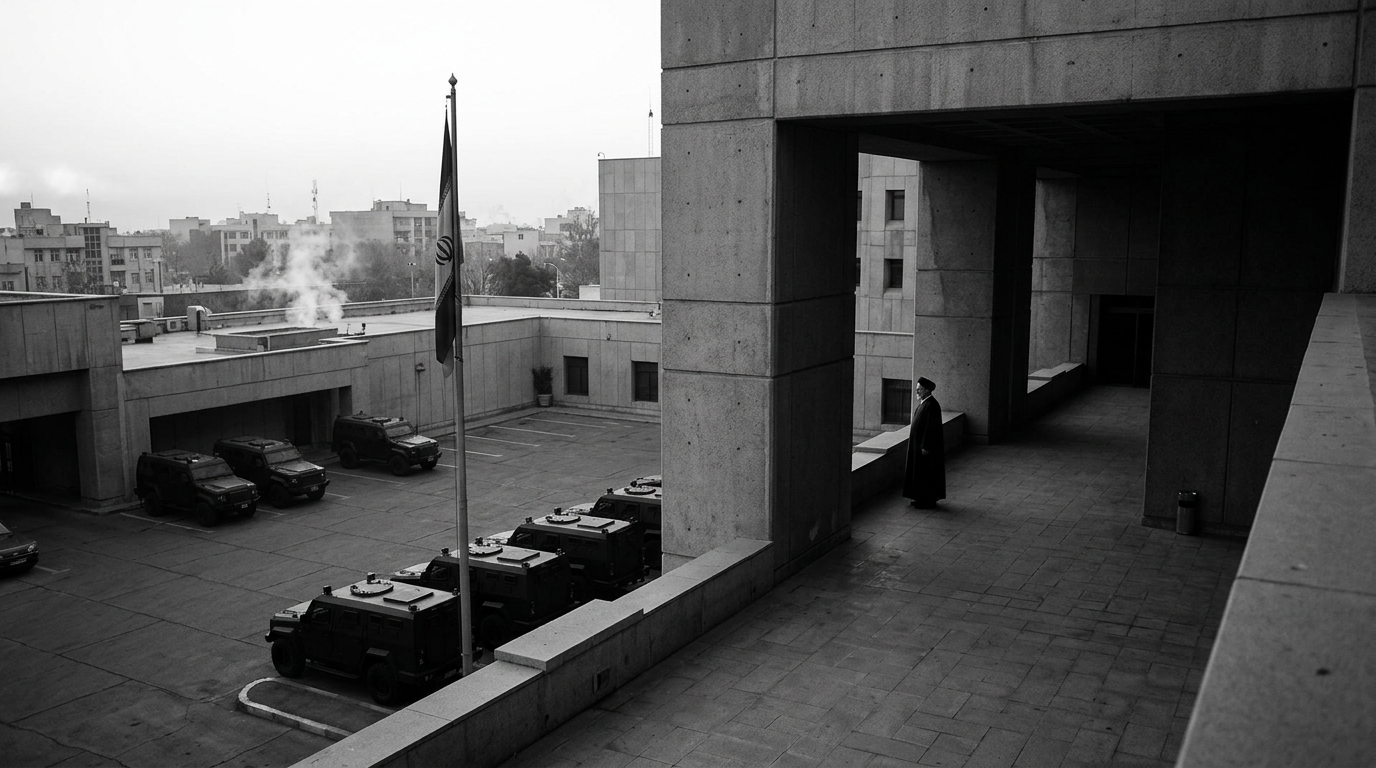
Iran has appointed Mohammad Bagher Zolghadr to head the Supreme National Security Council (SNSC), placing a veteran Islamic Revolutionary Guard Corps (IRGC) commander in charge of a central security decision-making body in Tehran.
The change follows the death of Ali Larijani , a prominent political and security figure, who was killed in an airstrike last week. The appointment was announced on Tuesday, March 25, 2026 .
Leadership Change Under External and Internal Strain
Zolghadr previously served as chief of the IRGC joint staff and as deputy commander-in-chief, roles that indicate deep experience in military planning and security coordination. His elevation to the SNSC leadership shifts the council’s top post to a figure with a long operational background.
The move comes as Iran faces sustained military pressure linked to the U.S.-Israel war on Iran, alongside domestic security concerns. The source material describes continued strikes across Iranian territory, with particular mention of western and northwestern areas.
What Changed, and Why It Matters Now
Larijani’s death created an immediate vacancy at a time when Iran is managing simultaneous external attacks and internal stability risks. Installing a senior IRGC commander at the SNSC can affect how Iran coordinates defense, intelligence, and crisis response across institutions.
The appointment is described as the outcome of a selection process rather than a snap decision tied solely to the current hostilities. Even so, the timing places Zolghadr in office during an active security environment, when rapid coordination and clear command channels can influence state responses.
Domestic Security Backdrop
Iranian authorities have arrested hundreds of people accused of cooperating with foreign actors, following a protest movement earlier in the year. The source does not provide details on the evidence cited, the identities of those detained, or the legal process involved.
These internal measures sit alongside concerns referenced in the source about possible destabilization and security breaches. How the SNSC prioritizes internal security versus external defense is not specified, but the council’s remit typically spans both domains.
Negotiation Role and Market Relevance
Zolghadr is expected to be a key figure in any future talks with the United States aimed at reducing escalation, with the source stating that his approval would be required for agreements. No timetable, venue, or negotiating framework is provided.
For global markets, leadership changes at the center of Iran’s security apparatus matter because they can shape the pace and direction of conflict management and any de-escalation pathway. The immediate market impact is uncertain from the available facts, but the development is closely tied to geopolitical risk that can influence energy pricing, shipping expectations, and regional investment sentiment.