Trump and Iran trade threats over energy targets as war escalates
The US and Iran exchanged threats over energy infrastructure attacks on March 22, escalating a four-week regional conflict.
Lauren Collins ·
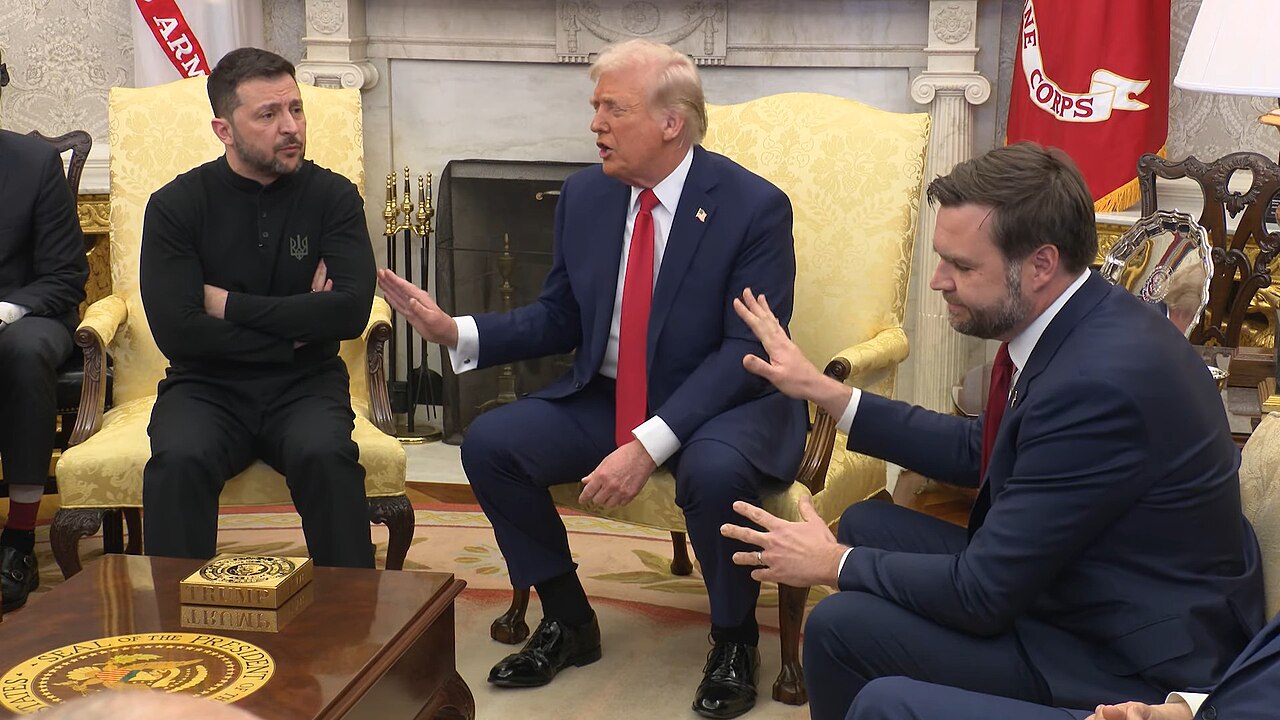
The United States and Iran have issued direct threats concerning attacks on each other's energy infrastructure, intensifying a regional conflict now in its fourth week. This escalation follows a series of military actions, including Israeli strikes on Tehran and Iranian retaliatory attacks on Gulf states, alongside ongoing deployments of U.S. military assets to the region.
On Saturday, U.S. President Donald Trump warned of potential strikes against Iran's power plants if the Strait of Hormuz, a critical maritime chokepoint, remained closed. This ultimatum was delivered amidst heightened tensions and concerns over global energy supplies. In response, Iran's government stated on Sunday that it would target U.S. infrastructure, including energy facilities in the Gulf, should American threats materialize.
Regional Military Escalation
The exchange of threats occurred on March 22, following a period of increased military activity. Air raid sirens were reported across Israel, preceding Israeli military operations in Tehran. These actions were themselves a response to earlier overnight attacks on southern Israeli towns.
Global Energy Market Impact
The ongoing conflict, which commenced on February 28, has significantly impacted global energy markets. Oil prices reached a near four-year high on Friday, driven by several factors. These include Iraq's declaration of force majeure on its oilfields, an Israeli strike on an Iranian gas field, and subsequent Iranian attacks targeting Saudi Arabia, Qatar, and Kuwait.
Strait of Hormuz Concerns
The potential closure or disruption of the Strait of Hormuz remains a major concern for international trade. This waterway is vital for the transit of approximately one-fifth of the world's crude oil and liquefied natural gas supplies. European gas prices surged by up to 35% last week, reflecting market anxieties over supply disruptions and contributing to broader inflation fears.
Humanitarian and Economic Toll
The conflict has resulted in over 2,000 fatalities since its inception. The humanitarian cost, coupled with the economic instability caused by energy market volatility, underscores the severe implications of the escalating tensions. The deployment of U.S. Marines and heavy landing craft to the region further signals a sustained military presence and potential for continued confrontation.
International Response and Outlook
International bodies and governments have expressed deep concern over the escalating rhetoric and military actions. The focus remains on de-escalation efforts to prevent a wider regional conflict that could have profound global economic and geopolitical consequences. The situation continues to be closely monitored by global markets and political analysts.
Implications
Country Impact: The direct threats between the US and Iran significantly heighten geopolitical risks in the Middle East, potentially drawing in other regional actors and increasing the likelihood of direct military confrontation. This could destabilize governments and economies across the Gulf.
Industry Impact: The energy sector faces severe disruption, with potential impacts on oil and gas production, shipping routes, and global supply chains. Industries reliant on stable energy prices and secure maritime trade, such as manufacturing and transportation, would experience significant cost increases and operational challenges.
Market Impact: Global financial markets are likely to react with increased volatility, particularly in commodity markets. Oil and gas prices could see further sharp increases, leading to inflationary pressures worldwide and potentially triggering broader economic downturns as investor confidence erodes.