LandSpace gives China a dual route in reusable rocket race
LandSpace recovered a stainless-steel Zhuque-3 booster after orbit, advancing China's push into lower-cost reusable commercial rockets.
Jason Kwon ·
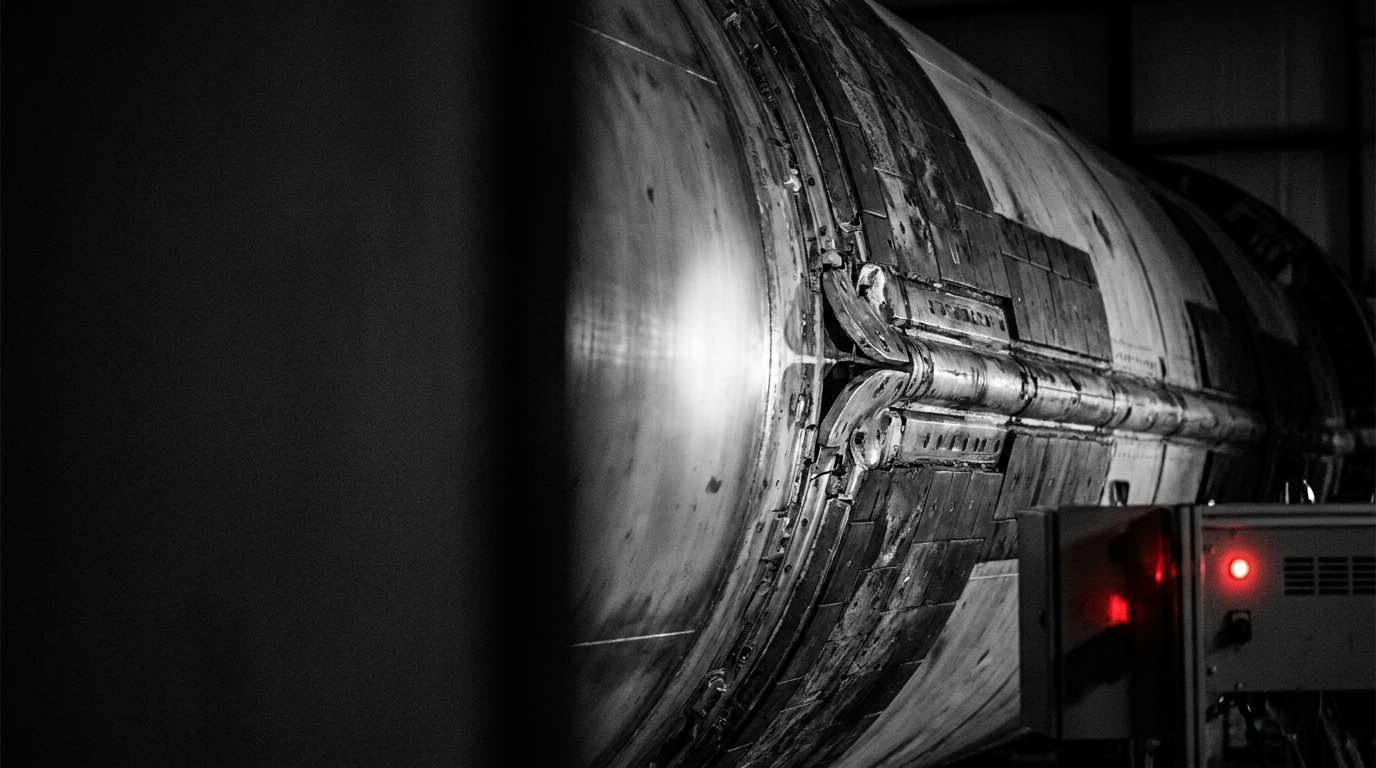
LandSpace recovered Zhuque-3's stainless-steel first-stage booster after an orbital launch, giving China a commercial reusable rocket milestone.
The mission makes Zhuque-3 the first Chinese commercial rocket described as reaching orbit and returning its first stage under controlled recovery. It also puts LandSpace in a small group of operators that have recovered reusable vehicles from orbital launches.
Zhuque-3 returns from orbit
LandSpace is a Chinese commercial rocket company, and Zhuque-3 is the vehicle now at the center of its reusable launch program. The recovered booster was made from stainless steel, a material choice that distinguishes it from earlier reusable boosters used in orbital missions.
The achievement matters because recovery after orbit is the hard part of reusability. A booster must separate, survive re-entry conditions, manage descent and land with enough control to be inspected, refurbished and, in a working business model, flown again.
Steel changes the cost equation
Previous reusable boosters used in orbital launches have been made from aluminum alloys, according to the information provided. Those materials can involve higher design and raw material costs, making stainless steel an important test case for companies trying to lower development expense.
Steel does not by itself make a rocket economical. The commercial value depends on whether LandSpace can repeat the recovery, assess the vehicle after landing and reduce the work needed between flights.
Zhuque-3 uses landing legs, the same broad recovery approach used by SpaceX's Falcon 9 and Blue Origin's New Glenn. That method brings the booster back as a vehicle rather than as debris, preserving the hardware that accounts for much of the launch system's cost.
China adds a second route
The recovery also broadens China's position in reusable launch technology. China is described as the first country to achieve orbital launch recovery through distinct technological pathways, reflecting a dual-track strategy that includes both state and commercial actors.
LandSpace becomes the fourth entity identified with controlled recovery of a reusable vehicle from an orbital launch, after SpaceX, Blue Origin and China Aerospace Science and Technology Corporation. That ranking gives the company a place in a field that remains narrow despite years of global interest in reusable rockets.
The state-owned China Aerospace Science and Technology Corporation had already shown China's ability to recover a reusable vehicle from an orbital launch. LandSpace's result adds a commercial path, which could increase the number of domestic teams competing on design, operations and turnaround.
Repeat flights set the test
If the stainless-steel approach proves repeatable, LandSpace could use it to argue for a lower-cost rocket architecture in China's launch market. The mechanism is straightforward: more recovered hardware means fewer new first stages to build for each mission, provided refurbishment does not absorb the savings.
If recovery remains occasional, the benefit would be more technical than commercial. LandSpace would still gain data from the flight, but customers and investors would look for evidence that the booster can return consistently and re-enter service on a usable schedule.
For the wider industry, the main open question is whether stainless steel can compete with established aluminum-alloy designs in cost, mass and operations. For the global launch market, a reliable Chinese commercial reusable rocket would add another source of pressure on providers whose pricing power depends on scarce, dependable orbital capacity.