US Pilot Rescued from Iran Amid Rising Tensions
U.S. pilot rescued in Iran on April 5, 2026 as weekend strikes hit 272 targets and Iran retaliated against Kuwaiti energy sites.
Lauren Collins ·
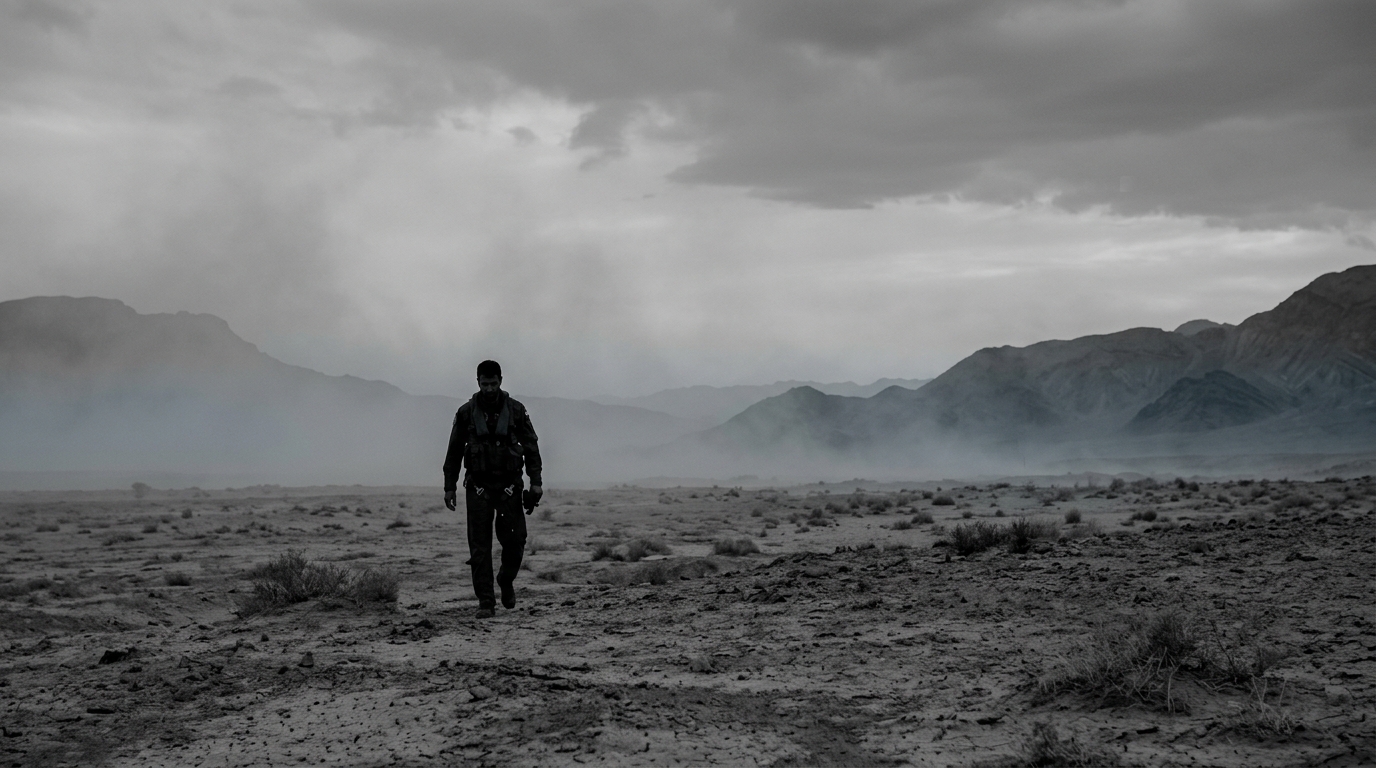
A second U.S. pilot was rescued from Iran on Easter Sunday, April 5, 2026 , after what the U.S. military described as a “daring” extraction in Iran’s mountainous terrain. Officials said the operation used dozens of aircraft and ended with the safe recovery of a high-ranking Colonel, even as Iranian forces pursued the team during the mission.
The rescue came as fighting intensified across the region, with U.S. and Israeli air operations and Iranian retaliation unfolding over the same weekend. The extraction followed a 24-hour aerial campaign on Saturday, April 4, 2026, carried out by U.S. and Israeli forces against Iranian targets, according to the account provided in the source material.
That Saturday campaign struck 272 targets across 14 Iranian provinces, the Human Rights Activists News Agency reported. The agency said the strikes resulted in at least nine civilian deaths and 184 total casualties. The reported target set included petrochemical complexes, military garrisons, and air bases, with heavy bombardment cited in Tehran, Khuzestan, and Isfahan.
Iran’s retaliation on Sunday, April 5, 2026, included drone attacks on Kuwaiti energy infrastructure , according to the source material. The strikes set fire to the headquarters of Kuwait Petroleum Corp. (KPC) in Kuwait City and hit two Kuwaiti power and desalination plants. The incidents were described as a widening of Iran’s target list to include administrative and political centers tied to Gulf energy leadership, rather than focusing only on coastal refinery sites.
Alongside the attacks, the source material states that the Strait of Hormuz was effectively closed. It also says that systematic strikes on energy infrastructure, combined with that closure, threaten global oil supply and could constrain the operational capacity of Gulf Cooperation Council states. The same account adds that these conditions could sustain a “war-risk premium” into the second quarter.
Key uncertainties remain in the public record as presented in the source material, including how long the Strait of Hormuz will remain effectively closed and whether further strikes will expand beyond the sites already hit. Officials have not provided additional operational details in the source material beyond the description of the rescue as involving dozens of aircraft and occurring under pursuit by Iranian forces.