Warsh Fed Nomination Faces Senate Scrutiny
Warsh Fed chair nominee faces Senate Banking hearing as Trump urges rate cuts and scrutiny builds over inflation stance and Fed independence.
Lauren Collins ·
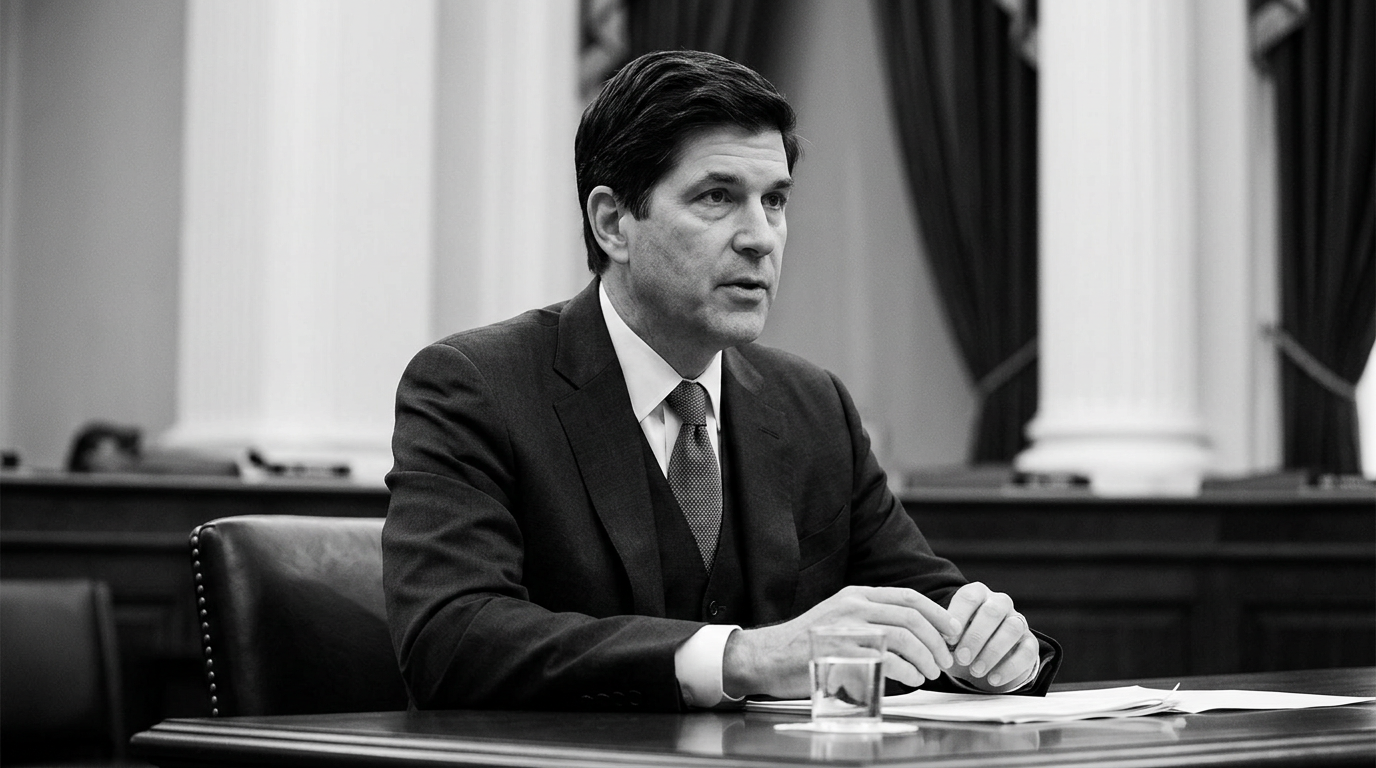
Kevin Warsh , a former Wall Street banker and economic advisor, is set to appear before the Senate Banking Committee for a nomination hearing to become the next Chair of the Federal Reserve. The hearing comes at a politically charged moment for the central bank, as former President Donald Trump has publicly pushed for lower interest rates and criticized current Federal Reserve leadership. Warsh is expected to face pointed questioning from both Democratic and Republican senators.
Warsh has been described as holding a hawkish view on inflation and as supporting an independent central bank that concentrates on monetary policy. His background includes an undergraduate degree from Stanford, a law degree from Harvard, and work at Morgan Stanley. He also served as an economic policy advisor under President George W. Bush.
He joined the Federal Reserve Board of Governors in 2006 at age 35, placing him inside the institution ahead of the 2008 financial crisis. During his time on the board, Warsh developed a reputation as an “inflation hawk,” favoring higher interest rates as a tool to counter inflation. His tenure covered a period when the Fed’s decisions were closely watched by markets and lawmakers amid extraordinary stress in the financial system.
Warsh resigned from his 14-year term in 2011. The account provided links his departure in part to disagreements over the Federal Reserve’s post-crisis stimulus measures. Those internal debates, and the policy choices that followed the crisis, remain central to how lawmakers and investors evaluate the Fed’s role in stabilizing growth while managing inflation risks.
Trump has publicly endorsed Warsh, saying he believes Warsh would deliver the interest rate cuts Trump wants. Warsh has previously argued that the central bank’s leadership was holding back economic growth. The nomination hearing is therefore likely to focus not only on Warsh’s policy preferences, but also on how he would handle political pressure while preserving the Fed’s traditional independence.
S. economy, with decisions that can affect borrowing costs, investment conditions, and financial market sentiment. Because the Federal Reserve’s actions are closely followed worldwide, the leadership transition also matters beyond the United States, including for global capital flows and the pricing of risk across international markets.
Key uncertainties heading into the hearing include how senators will assess Warsh’s past positions on inflation and stimulus, and how he will describe the boundaries between elected officials’ demands and the central bank’s mandate.