Ukrainian Drones Cripple Russian Oil Exports
Ukraine drone strikes damaged Russian oil and gas sites over two weeks, as Russia warned Europe after new joint drone production deals.
Lauren Collins ·
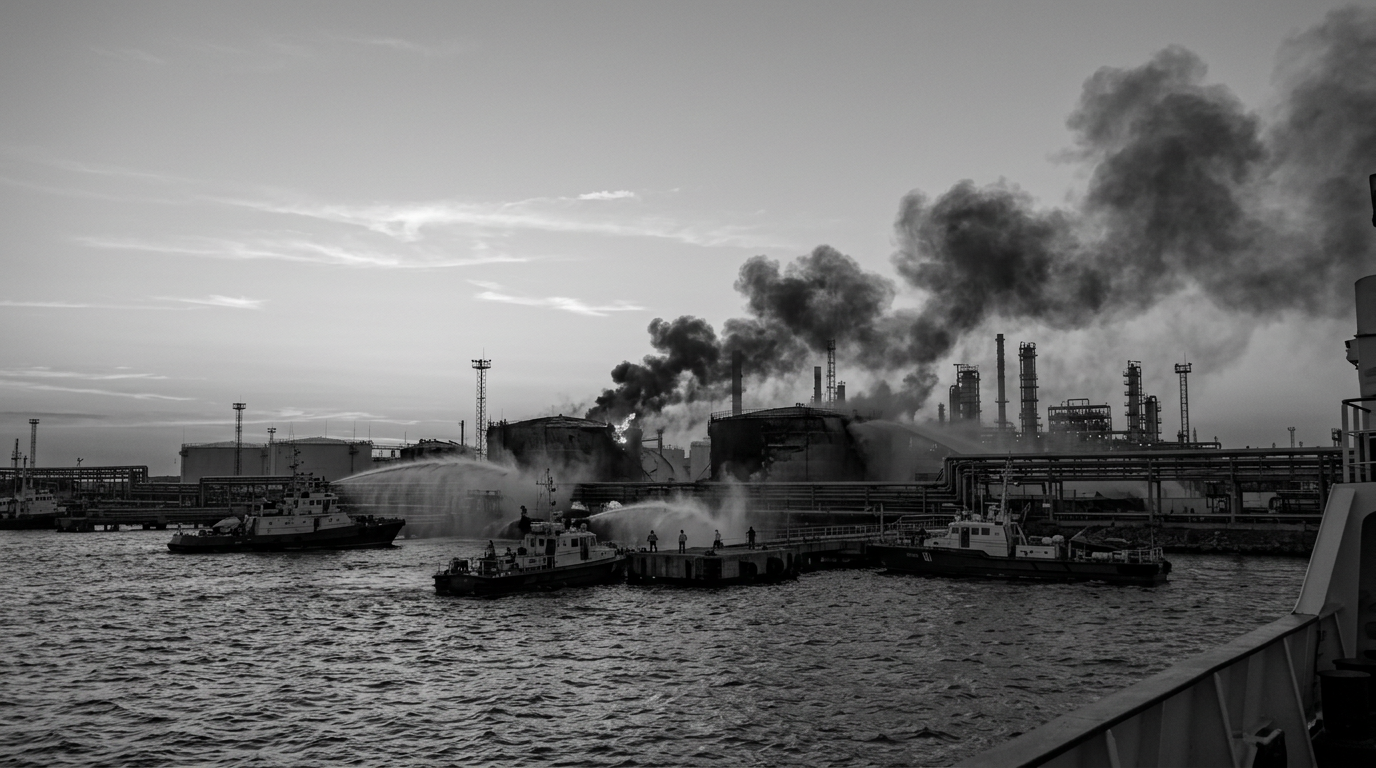
Ukraine drone strikes have damaged Russian oil and gas infrastructure over the past two weeks, affecting export capacity and drawing a formal warning from Moscow to European countries backing Ukraine’s long-range drone production.
Russia’s Ministry of Defense said on Wednesday, April 16, 2026, that European support for Ukraine’s long-range drone capabilities could bring “unpredictable consequences.” In the same statement, the ministry accused European leaders of escalating the conflict by turning their countries into a “strategic rear for Ukraine.” The warning came after new agreements were reached between Ukraine and European defense companies for joint weapons production.
Officials said the recent strikes have hit a wide range of energy assets across Russia, including drilling platforms, pipelines, pumping stations, offloading terminals, and refineries. Reported targets included two drilling platforms in the northern Caspian Sea, oil pumping stations in Volgograd and Krasnodar Krai, and the oil export terminal and refinery at Tuapse on the Black Sea.
The damage has been described as having a direct financial effect on Russia’s oil earnings. The strikes have reportedly led Russia to miss out on 40 percent of potential oil revenue, which was described as equivalent to at least 2 million barrels per day, due to impaired export capabilities.
European governments also announced new funding and industrial cooperation tied to drones and long-range strike support for Ukraine. Germany pledged 300 million euros ($355 million) for Ukraine’s long-range strike capabilities and said it would make an additional investment in 5,000 mid-range attack drones. Norway signed a joint drone production agreement and donated 560 million euros ($661.5 million) for frontline support.
Further commitments were also outlined. The Netherlands committed 248 million euros ($293 million) and Belgium pledged 85 million euros ($100 million) for drone assistance.
Ukrainian President Volodymyr Zelenskyy said deep strikes into Russia have become routine. Former Defense Minister Rustem Umerov said Ukraine’s defense industry capabilities have increased 50-fold since the full-scale invasion.
While the reported revenue impact and export disruption figures indicate significant pressure on Russia’s energy logistics, the full extent and duration of the damage to specific facilities and routes were not detailed in the statements cited. The developments link battlefield tactics to energy infrastructure outcomes and to Europe’s expanding role in Ukraine’s defense production partnerships.