Hormuz Shipping Resumes Post-Ceasefire
Strait of Hormuz shipping has resumed after a Pakistan-brokered ceasefire involving the US, Israel and Iran, following weeks of disruption.
Lauren Collins ·
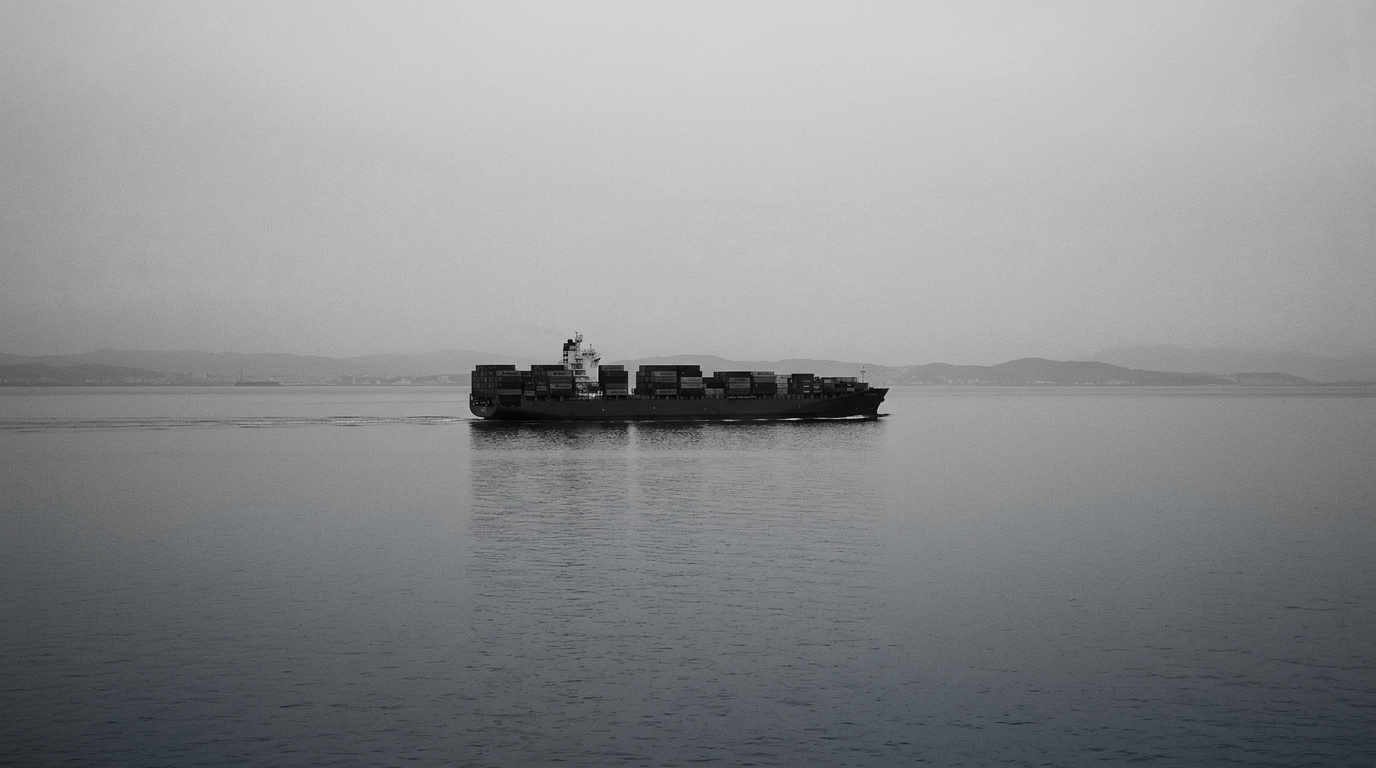
Commercial shipping has begun moving again through the Strait of Hormuz after a ceasefire agreement involving the United States, Israel, and Iran, with Pakistan acting as broker. The reopening follows weeks of disruption in the narrow waterway, where officials said dozens of oil tankers and cargo vessels had been left waiting or idling. The strait is a central route for energy and trade flows, and the stoppages had become a visible pressure point for global markets.
The ceasefire package is described as an effort to reduce regional tensions and support the resumption of maritime traffic. It also includes a 10-day pause in fighting between Israel and Lebanon, according to the source material. The Strait of Hormuz had become a focal point of the broader confrontation, with shipping decisions split between vessels that continued moving and others that delayed, rerouted, or remained on standby.
Officials said the disruption was driven by overlapping actions on both sides of the waterway. Iran asserted control over passage and was reported to have mined parts of the strait, while the United States imposed a naval blockade targeting Iranian ports. The result, according to the source material, was a complex operating environment in which risk assessments varied by ship and operator, producing uneven traffic patterns and prolonged delays.
The Strait of Hormuz is widely treated by governments and market participants as a strategic chokepoint because of the volume of crude and refined products that transit the route. The source material puts that share at approximately 20% of the world’s oil. When traffic slows or stops, the effects can extend beyond energy markets into shipping schedules, insurance costs, and delivery timelines for cargoes that depend on predictable passage through the Gulf.
Iran announced that the strait is “completely open,” but the source material stresses that conditions remain fluid. The durability of resumed shipping will depend on continued adherence to the ceasefire and on broader diplomatic efforts referenced in the agreement. For now, the reopening is framed as an attempt to stabilize the region and restore the flow of international commerce through a route that had been disrupted for weeks.