Iran Drones Target Kuwaiti Oil Ahead of OPEC+ Talks
Iranian drones hit Kuwait oil sites on Sunday, damaging KPC-linked facilities as Opec+ backed a 206,000 bpd May output rise.
Lauren Collins ·
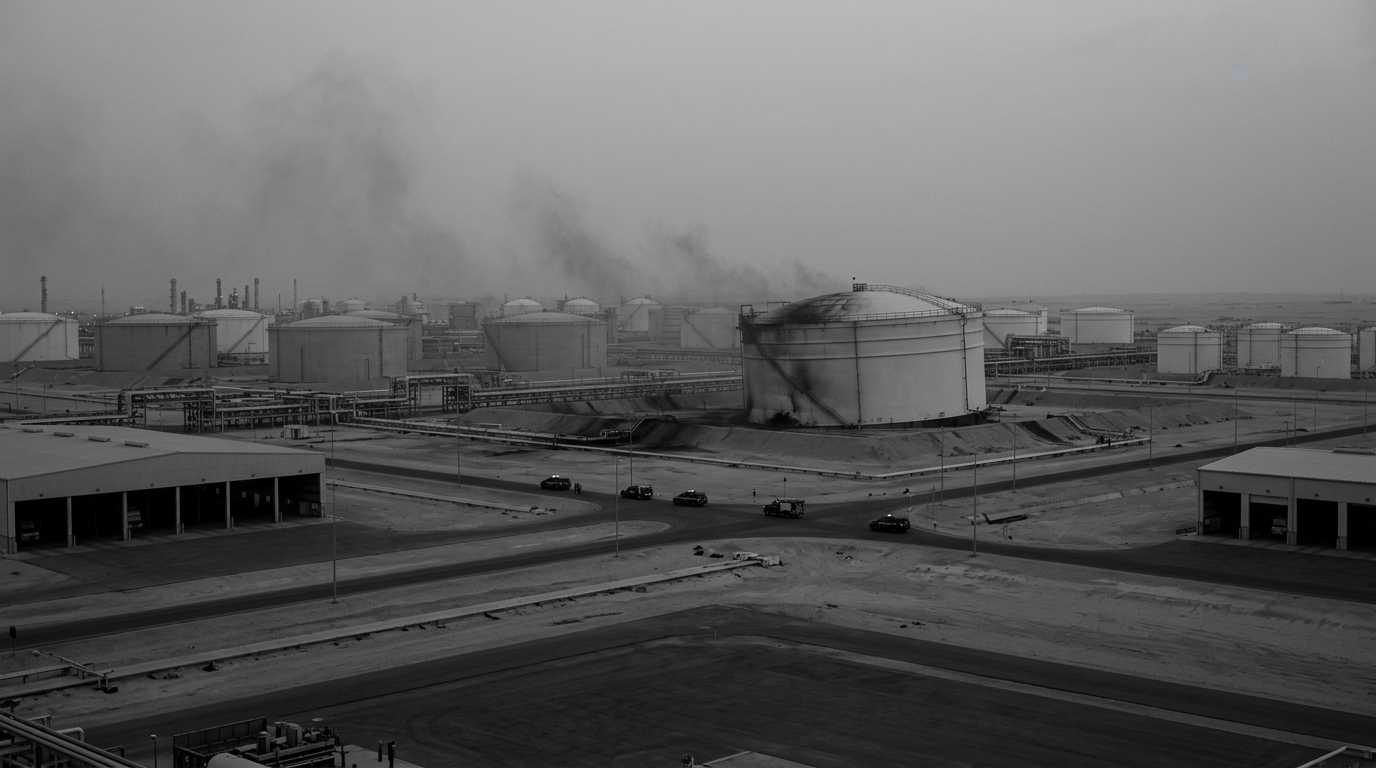
Iranian drone attacks on Sunday caused significant damage to Kuwait’s oil infrastructure, hitting facilities linked to the Kuwait Petroleum Corporation (KPC) and government ministries in Kuwait City, according to local reports. The strikes triggered fires and material damage at KPC subsidiaries and at the Shuwaikh oil sector complex. Local reporting also indicated impacts on power and water desalination plants.
Iran’s Revolutionary Guards said the operation targeted petrochemical plants in Kuwait, the United Arab Emirates, and Bahrain. The reported scope of targets across multiple Gulf states added to already elevated regional tensions, with energy infrastructure again at the center of the conflict. Officials and local accounts described the damage as significant, though the full operational impact was not detailed in the reports.
The attacks came just hours before an Opec+ meeting, where members reportedly agreed to a symbolic increase of 206,000 barrels per day in May oil output. The timing placed immediate focus on supply security and the ability of producers to maintain exports while repairing damaged facilities. Opec+ members also expressed concern that restoring affected energy sites would be costly and time-consuming, which could weigh on global oil availability.
The strikes were reported amid Iran’s effective closure of the Strait of Hormuz, a key route for Gulf energy shipments. The combination of direct damage to infrastructure and constraints on maritime transit has coincided with what was described as the largest disruption in oil supplies historically. The situation has kept markets sensitive to further outages and to any delays in repairs across the region.
These incidents followed a series of attacks on Middle Eastern oil infrastructure since late February. The sequence cited in reports included an Israeli attack on Iranian petrochemical plants and Iranian retaliation against facilities in Qatar and Oman. Sunday’s strikes in Kuwait were presented as part of that broader pattern of escalation involving energy assets.
Oil prices have moved sharply during the conflict. Brent crude has risen more than 50% since the start of the year, reached a peak of $119.50 a barrel in March, and was trading around $109 a barrel at the time referenced. Higher crude prices have fed through to consumers, with average unleaded petrol in the UK at 154.45p per liter and US fuel prices above $4 per gallon.