US F-15E Downed in Iran, Rescue Effort Cost Exceeds $250M
U.S. F-15E downed in Iran led to a difficult rescue that destroyed two C-130s and damaged an HH-60, with losses estimated above $250M.
Lauren Collins ·
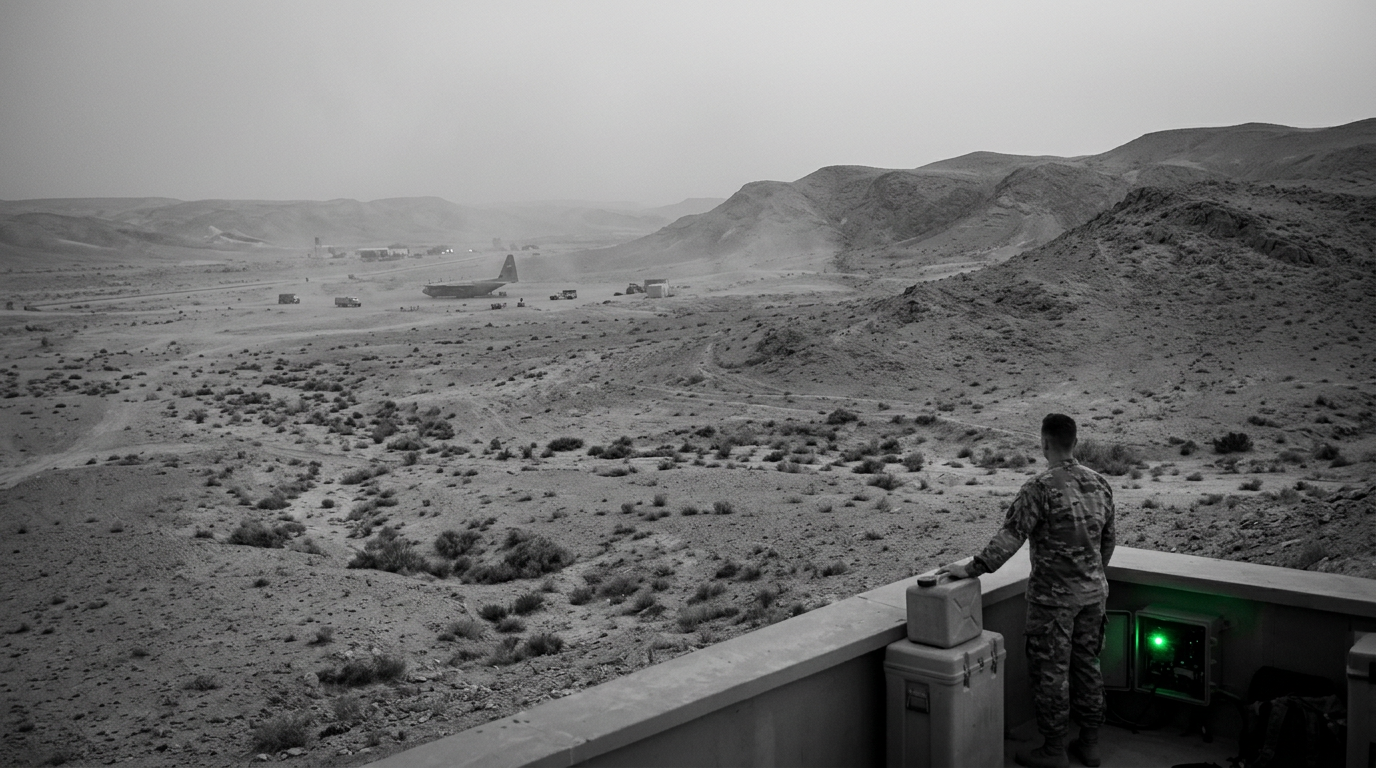
A U.S. F-15E fighter jet was shot down in Iran , triggering a rescue effort that ended with two C-130 Hercules transport aircraft destroyed and an HH-60 Pave Hawk helicopter damaged, according to the account of the incident. The episode unfolded five weeks into ongoing U.S.-Israeli bombing campaigns against Iran and underscored the operational hazards that can persist even amid sustained air operations.
The downing of the F-15E was described as the first loss of a U.S. warplane to enemy action since 2003 during the Iraq War. The aircraft involved was valued at approximately $31 million. The incident was presented as a challenge to assumptions of uncontested air dominance, highlighting that air campaigns can still face meaningful tactical setbacks.
The rescue mission focused on extracting a wounded crew member and relied on an abandoned Iranian airstrip south of Isfahan as a forward operating location. During the operation, two C-130 Hercules transporters became stuck on the airstrip. U.S. forces subsequently destroyed both aircraft to prevent them from being captured, according to the description provided.
Those C-130s were identified as modified Hercules aircraft with a list price of nearly $115 million each. Separately, an HH-60 Pave Hawk helicopter was reported to have taken gunfire damage during the same effort. Based on the aircraft lost and damaged in this single sequence of events, the total cost was estimated to exceed $250 million.
The incident was framed as evidence that Iran can still impose costs on U.S. military activity despite being subjected to extensive airstrikes. The bombing tempo was described as roughly 300 to 500 strikes per day. In that context, the loss of high-value airframes and the complications of personnel recovery were presented as reminders that operational friction can remain significant even when one side holds a broad military advantage.
The account also pointed to the implications for any potential ground operations in Iran, particularly missions tied to high-value targets such as enriched uranium facilities. S. was described as retaining a substantial advantage overall, the event was cited as an example of how an opposing force can still achieve tactical successes that carry propaganda value.
Key uncertainties remain around the full circumstances of the shootdown and the precise sequence of events during the recovery operation, beyond what was described in the incident summary.