Trump Extends Iran Deadline Amid Strait of Hormuz Tensions
Trump extended a 48-hour Iran deadline on the Strait of Hormuz as talks were claimed by the U.S. and disputed by Iran, lifting stocks and easing oil.
Lauren Collins ·
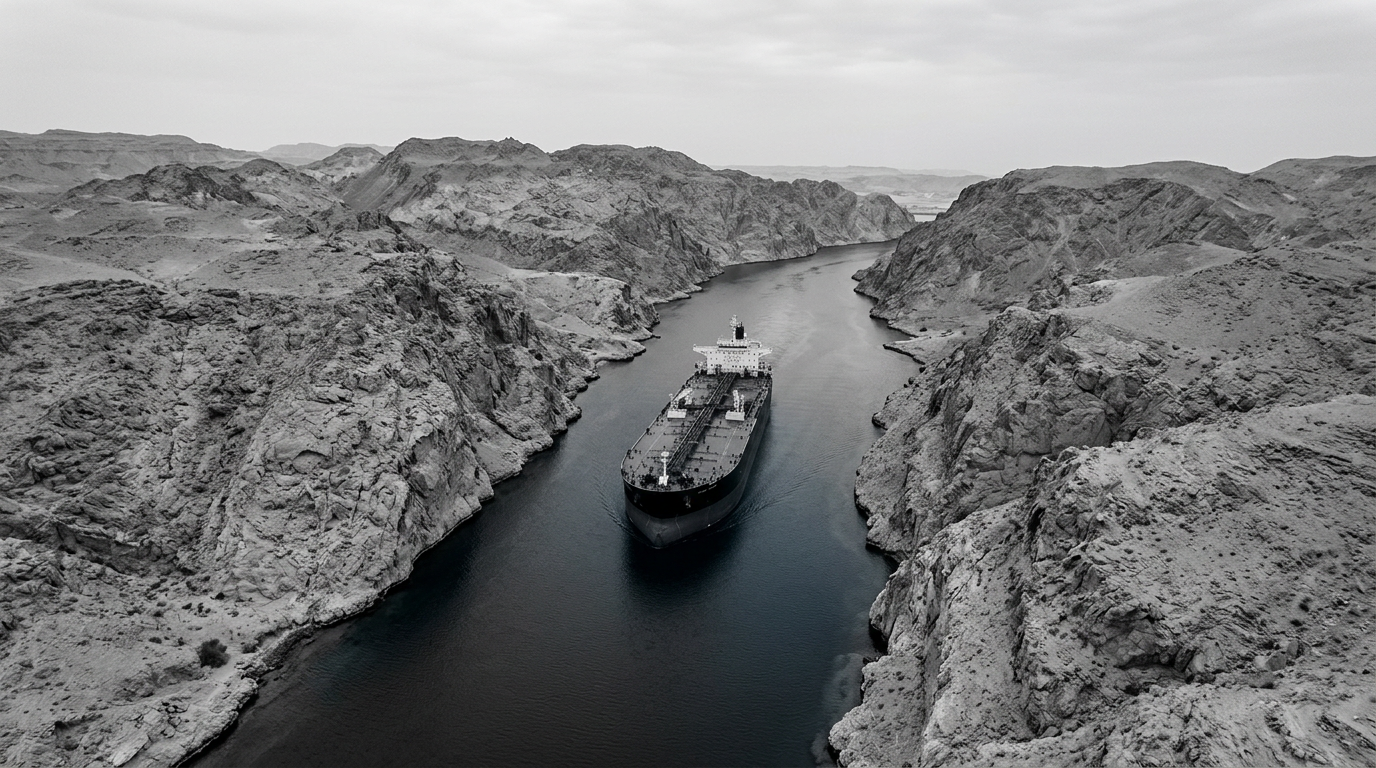
U.S. President Donald Trump said Monday he is extending a 48-hour deadline tied to Iran and access for international shipping through the Strait of Hormuz, pointing to what he described as “constructive” discussions.
The move eased immediate fears of a rapid escalation in a conflict that has lasted three weeks, even as key details about any diplomatic channel remained unclear.
What changed and what Trump said
Trump’s earlier position included a warning of additional U.S. airstrikes if Iran did not ensure full passage through the strait for global maritime traffic.
On Monday, during a trip to Memphis, Tennessee, including a stop at Graceland, he said the United States and Iran had “major points of agreement” and that discussions were “very, very good.”
Iran’s response and the information gap
Iranian state media portrayed the extension as a U.S. retreat, while Iranian officials rejected the idea that substantive negotiations were taking place.
From the U.S. side, no specific terms, intermediaries, or timelines were provided in the public remarks described, leaving international observers with limited clarity on what, if anything, is being negotiated.
Market reaction: stocks up, oil down
Even with the ambiguity, the possibility of talks influenced risk sentiment. U.S. equities jumped and global crude prices fell after Trump’s comments.
The market response underscores how closely investors are tracking any signal that the confrontation could shift away from military action, particularly given the strait’s role in global energy shipping.
Military threats tied to energy infrastructure
The initial ultimatum included a threat to strike Iranian energy-production facilities if access through Hormuz was not restored.
Iran, for its part, said it would retaliate against energy and water installations in the region. Separately, a new five-day window for potential U.S. attacks on Iranian power infrastructure is now described as being in effect.
Why it matters now
The Strait of Hormuz is a strategic chokepoint for international shipping, and any disruption can quickly feed into oil pricing, inflation expectations, and broader financial conditions worldwide.
For governments, the immediate issue is whether shipping access is maintained without further escalation; for businesses, the focus is on energy costs and supply reliability; and for markets, the key variable is whether diplomacy is real and durable or merely a pause before renewed threats.