Trump’s changing messages on Iran war: What does it say about US strategy?
US-Iran tensions escalate into a fourth week over the Strait of Hormuz, with a US ultimatum and Iranian blockade impacting global oil prices.
Lauren Collins ·
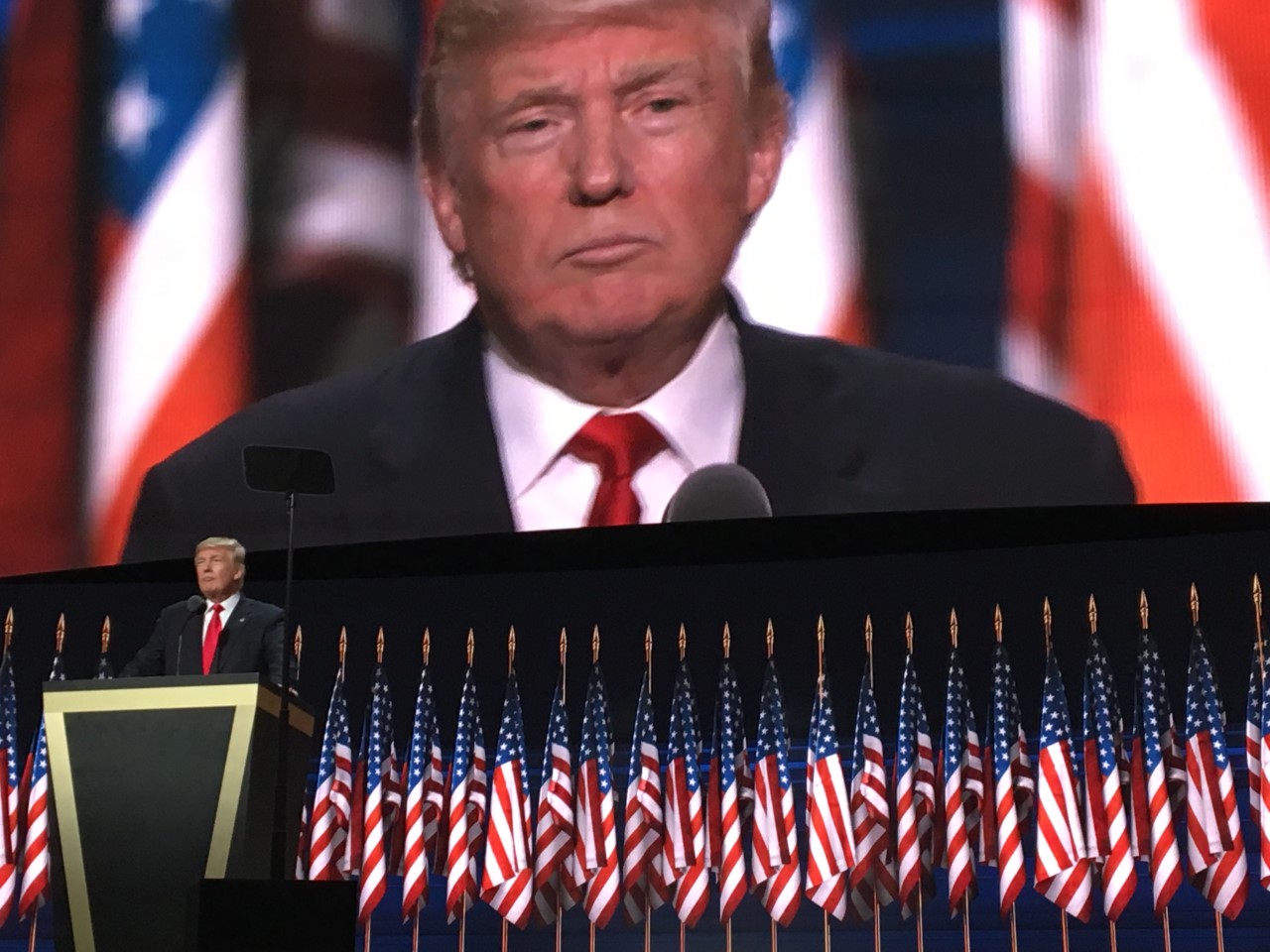
Tensions between the United States and Iran have intensified into their fourth week, marked by significant military deployments and economic repercussions. S. President Donald Trump issued a 48-hour ultimatum to Iran, demanding the reopening of the Strait of Hormuz and threatening severe military action if the demand was not met. S. strategic objectives in the region.
Geopolitical Standoff and Military Posturing
The Strait of Hormuz, a crucial maritime chokepoint, has been subject to a de facto blockade by Tehran, impacting approximately one-fifth of the world's oil and liquefied natural gas shipments. This disruption has led to a notable increase in global oil prices, raising concerns about potential economic instability and a global recession.
In response to the energy crisis, the Trump administration authorized the sale of previously sanctioned Russian oil and urged allied nations to assist in securing the Strait.
Regional Conflict and Casualties
The ongoing conflict has seen Iran suffer significant leadership losses, including security chief Ali Larijani and Basij forces commander Gholamreza Soleimani, who were reportedly killed in Israeli attacks. Despite these setbacks and weeks of sustained airstrikes, Iran has conducted retaliatory strikes against both Israel and several Gulf countries. S.
has augmented its military presence in the Middle East by deploying an additional three warships and approximately 2,500 Marines, bringing the total personnel involved in the conflict to around 50,000.
Strategic Ambiguity and Economic Fallout
Analysts suggest that the conflict's expansion across the Middle East indicates a potential miscalculation of Iran's response capabilities and a lack of clearly defined objectives at the outset of the confrontation. S. leadership, oscillating between de-escalation and aggressive ultimatums, has contributed to an environment of strategic ambiguity. This uncertainty complicates international efforts to stabilize the region and mitigate the economic impact of disrupted energy supplies.
International Response and Future Outlook
The international community remains focused on the potential for further escalation and its broader implications for global trade and security. The sustained disruption of the Strait of Hormuz underscores the vulnerability of global energy supply chains to regional conflicts. Future developments will likely hinge on diplomatic efforts to de-escalate tensions and the clarity of strategic communication from all involved parties, particularly concerning the critical maritime passage.
💊 Kapsül Analysis
📌 What Happened?
- US-Iran tensions escalated into a fourth week, marked by a US ultimatum regarding the Strait of Hormuz.
- Former President Trump threatened military action if Iran did not reopen the critical shipping lane.
- Iran has imposed a de facto blockade on the Strait, leading to increased global oil prices.
🔍 Why It Matters
- The Strait of Hormuz is vital for global oil and LNG shipments, impacting international energy markets.
- Escalating conflict risks broader regional instability and potential global economic recession.
- Conflicting US statements create strategic uncertainty, complicating de-escalation efforts.
📈 Market & Political Impact
- **Market:** Global oil prices have surged due to supply disruptions, impacting energy-dependent economies.
- **Macroeconomic:** Concerns about a global recession are rising due to energy price volatility.
- **Geopolitics:** The conflict has expanded across the Middle East, involving retaliatory strikes and significant military deployments.
👁️ What to Watch
- Further diplomatic initiatives to de-escalate tensions and secure the Strait of Hormuz.
- The impact of sustained high oil prices on global inflation and economic growth forecasts.
- Any shifts in military posture or rhetoric from the US, Iran, and regional actors.
📋 Source Status
Single-source
📊 Confidence
Level: Medium — Information is presented as factual but lacks corroboration from multiple independent sources.
Implications
Country Impact: The ongoing conflict poses significant risks to regional stability, particularly for Gulf countries targeted by Iranian retaliation. The U.S. military presence underscores its commitment to regional security, but also increases the potential for direct engagement.
Industry Impact: The energy sector faces substantial disruption due to the Strait of Hormuz blockade, leading to increased oil and gas prices. This impacts transportation, manufacturing, and consumer costs globally, potentially slowing economic activity.
Market Impact: Global financial markets are reacting to heightened geopolitical risk, with rising oil prices contributing to inflationary pressures. This could lead to central banks tightening monetary policy, affecting equity and bond markets worldwide.