Mideast Conflict Drives Oil Near $100
Middle East conflict disrupts oil flows, lifting crude near $100 and prompting IEA calls to curb demand as pressure spreads globally.
Lauren Collins ·
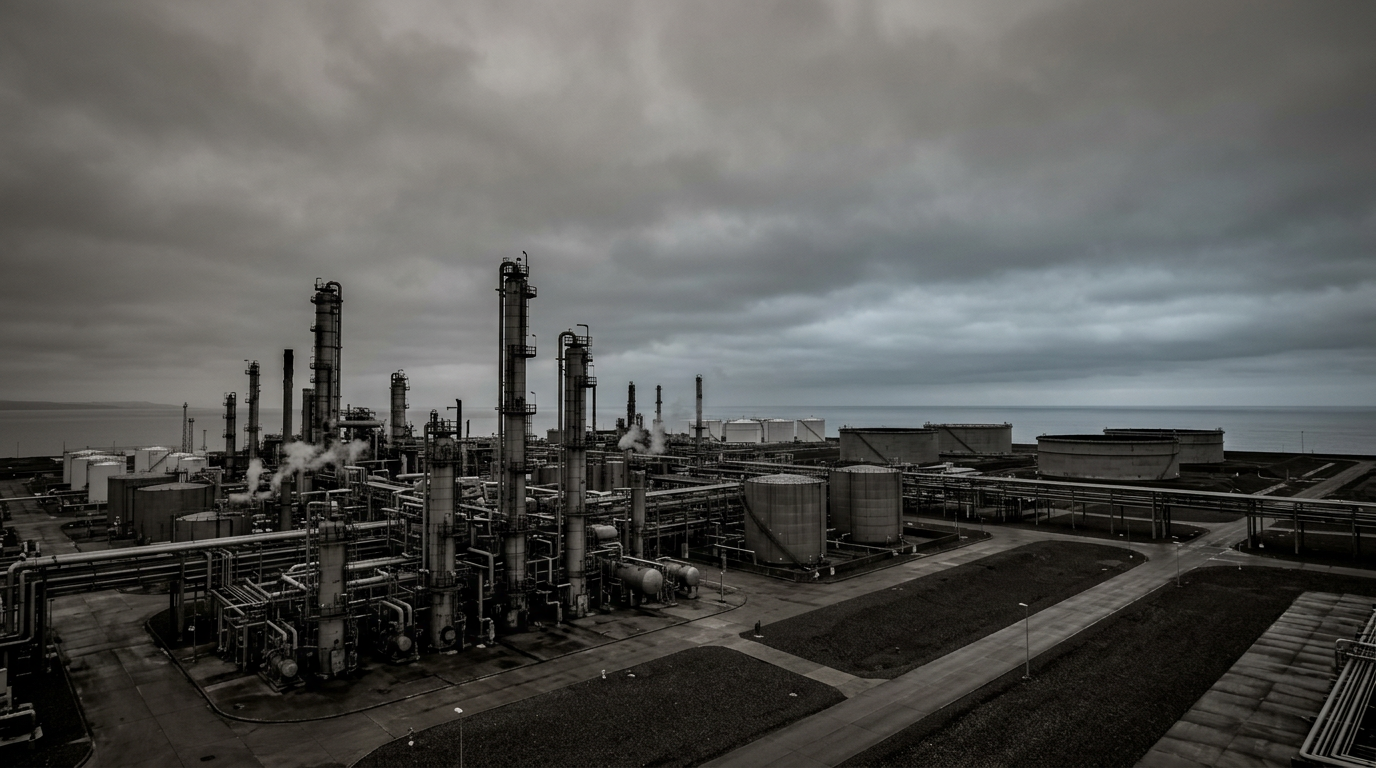
Oil markets are facing a sharp supply shock as fighting in the Middle East disrupts flows and pushes fuel costs higher worldwide.
The International Energy Agency (IEA) said the war is driving what it described as the biggest supply disruption in the history of the global oil market, with crude trading around $100 per barrel .
What changed in energy markets
A central pressure point is the Strait of Hormuz, a narrow maritime corridor that the report described as close to impassable.
The strait is a major transit route for energy shipments, carrying roughly one-fifth of the world’s oil , making any interruption immediately relevant for global pricing and availability.
Who is feeling the impact
Higher prices are filtering quickly into household budgets and business costs, affecting transport, logistics, and day-to-day consumption.
In India, the disruption is particularly acute because about 60% of liquefied petroleum gas (LPG) and roughly 90% of oil imports are routed through Hormuz.
The source material describes fuel shortages that are disrupting small business activity and triggering rationing, indicating that the shock is not limited to wholesale markets.
Demand-side measures proposed
With supply constrained, the IEA outlined steps aimed at reducing consumption rather than increasing production in the near term.
Its recommendations include expanding remote work, lowering highway speed limits, shifting travel toward public transport, and moving household energy use toward electric cooking.
Why it matters now
Energy is a foundational input across the economy, so sustained price increases can raise operating costs for sectors such as transportation and hospitality while also squeezing consumers.
The source material notes reports from individuals in the UK and the US facing difficult trade-offs between essentials such as food and fuel, underscoring the breadth of the cost-of-living pressure.
Risks, unknowns, and outlook
The IEA warned that if the conflict is not resolved quickly, the strain on energy markets and the wider global economy is expected to intensify.
Key uncertainties include how long the Strait of Hormuz remains constrained and whether demand-reduction measures are adopted at scale, both of which would shape the duration and severity of the shock.