Cheap Drones Upend Air Defense Budgets
Low-cost drones are driving costly air-defense responses, pushing the U.S. and others to pursue cheaper, attritable systems and counter-drone tech.
Lauren Collins ·
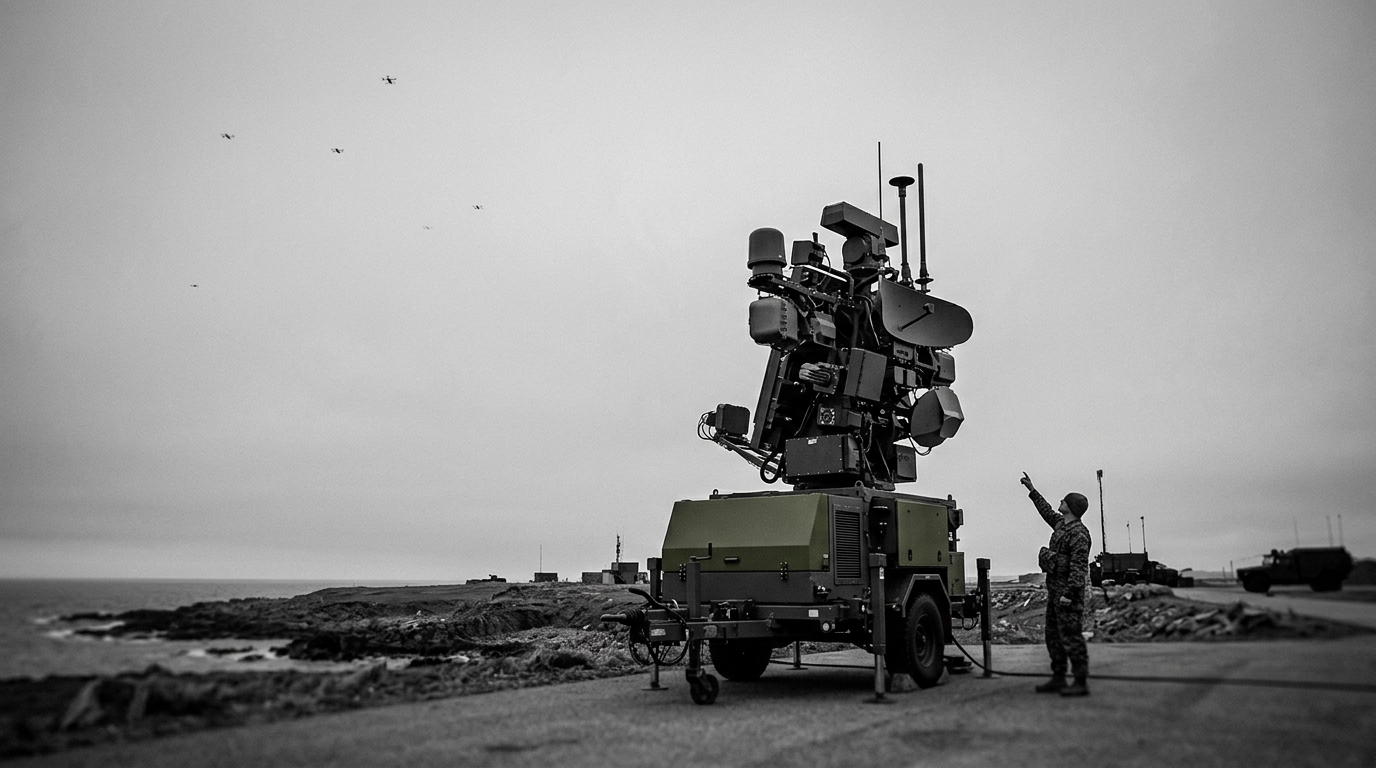
Low-priced drones, including models linked to Iran, are changing how militaries measure advantage on the battlefield.
The central shift is economic: relatively inexpensive unmanned aircraft can compel defenders to spend far more on interception, straining budgets and inventories even when the drones are individually less capable than advanced platforms.
What changed on today’s battlefields
In the Russia-Ukraine war, Iranian-supplied Shahed-136 drones have been used in ways that highlight this imbalance.
The source material cites an approximate unit cost of about $30,000 per Shahed-136, while some defensive interceptors used against them can be valued around $2 million per engagement.
Why the cost gap matters now
This price mismatch can create a sustained financial burden for the defender, particularly when attacks are repeated over time.
Beyond money, the dynamic can drain stocks of air-defense munitions, potentially reducing coverage and increasing exposure for critical infrastructure if inventories run low.
Iran’s role and the spread of low-cost strike options
Iran’s development and export of drones, alongside ballistic missiles, is described as expanding the potential reach of attacks and widening the areas that militaries must protect.
The same source says Iranian-aligned groups, including the Houthis and Iraqi militias, have used these lower-cost systems to harass U.S. and Israeli forces.
How the United States is responding
The United States, long associated with expensive, high-end platforms, is exploring cheaper “attritable” systems intended to be used in larger numbers and accepted as expendable when necessary.
One example cited is the Low-cost Unmanned Combat Attack System (LUCAS) drone, described as reverse-engineering Iranian designs as part of a push toward lower-cost options.
Broader technology push—and what remains uncertain
Other areas mentioned include autonomous ground systems, AI-enabled counter-drone tools, and advanced energetics aimed at improving defensive efficiency.
However, the source does not provide timelines, production volumes, or performance data for these U.S. efforts, leaving open questions about how quickly lower-cost defenses can be fielded at scale.
What it means for markets and global politics
If low-cost drones continue to impose high interception costs, defense procurement may tilt toward cheaper interceptors, electronic warfare, and layered air-defense architectures designed to preserve high-value munitions for higher-end threats.
Globally, the spread of inexpensive strike systems can raise security costs across regions by increasing the number of potential targets—civilian and military—and by forcing more countries to invest in counter-drone capabilities.