Tracking US military assets in the Iran war
US military deployments for "Operation Epic Fury" in Iran are impacting global readiness, with 40% of carriers and key air assets committed.
Lauren Collins ·
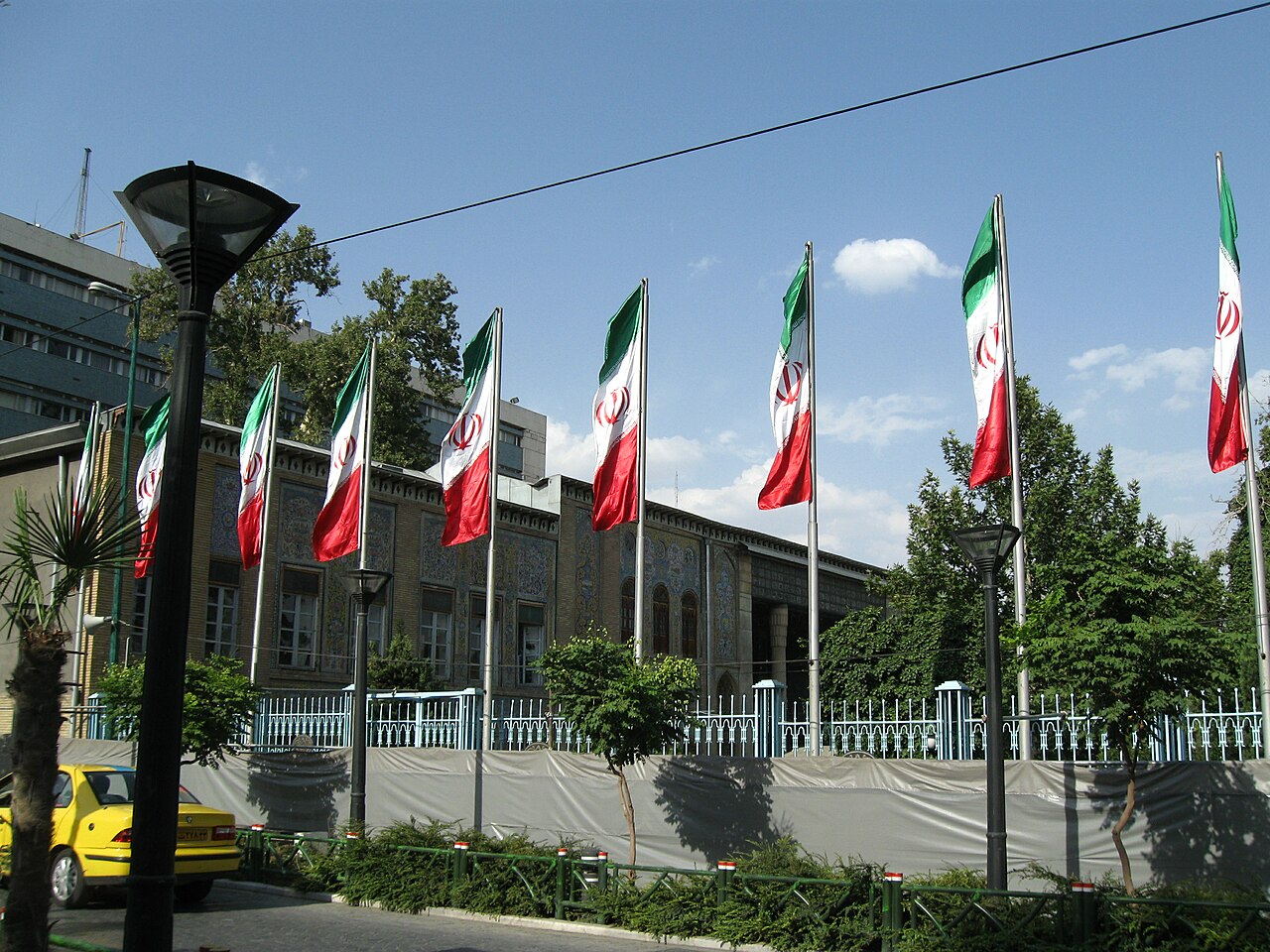
The United States military's substantial asset deployment to support "Operation Epic Fury" in Iran, initiated by March 18, 2026, is significantly affecting its operational readiness and strategic positioning across various global theaters. S. capacity to address potential contingencies, particularly in the Indo-Pacific region.
The extensive allocation of forces to the Middle East has necessitated adjustments in other critical areas, prompting a reevaluation of defense capabilities and strategic priorities.
Strategic Asset Reallocation
Approximately 40% of the available U.S. aircraft carrier fleet is currently engaged in the Iran operation. This includes the potential deployment of the USS George H.W. Bush, while the USS Gerald R. Ford remains out of commission for repairs. The service life of the USS Nimitz has been extended until March 2027 to partially offset the reduction in the overall carrier inventory, highlighting the strain on naval resources.
Air and Missile Defense Commitments
Critical air and missile defense assets are also heavily committed to the Middle East. Nearly half of the mission-capable B-1 bomber fleet is actively involved in strike operations. Additionally, an estimated 26% of the available B-2 bomber fleet may be deployed to the region.
The deployment extends to airborne early warning systems, with 66% to 75% of the total available E-3 AWACS aircraft now operating in the area, alongside approximately 33% of mission-capable KC-135 and KC-46 refueling tankers.
Amphibious and Missile Defense Strain
The sole available Landing Helicopter Assault (LHA) and Landing Helicopter Dock (LHD) ship, the USS Tripoli, has been redeployed from Japan to the Middle East. This move further strains the U.S. amphibious capabilities, which are crucial for rapid response and power projection. In terms of missile defense, 7% to 11% of Patriot missile batteries and 29% to 43% of THAAD systems are committed to the Middle East, with reports indicating that some THAAD interceptors were relocated from South Korea.
Global Posture Implications
S. military's ability to maintain its deterrent posture in other strategic areas, particularly against potential adversaries like China. The reallocation of resources from the Indo-Pacific region underscores a shift in immediate operational focus, potentially creating vulnerabilities or requiring adjustments in alliance commitments and defense strategies. This situation necessitates a careful balance between current operational demands and long-term strategic imperatives.
Future Readiness Concerns
S. military's high-value assets to the Iran operation raises questions about future readiness and the sustainability of current deployment levels. The extended service life of older vessels and the redeployment of assets from other regions indicate a stretched force posture. This could lead to increased maintenance backlogs, reduced training opportunities, and a potential impact on the overall readiness of the force for unforeseen global challenges.
Implications
Country Impact: The United States faces a strategic dilemma, balancing immediate operational needs in the Middle East with long-term deterrence requirements in the Indo-Pacific. This could necessitate adjustments in defense spending and alliance commitments.
Industry Impact: Defense contractors may see increased demand for maintenance and upgrades of existing equipment, as well as accelerated production of new assets to replenish strained inventories. The aerospace and naval defense sectors are particularly affected.
Market Impact: Global defense stocks could experience fluctuations based on perceived geopolitical risks and increased military spending. Energy markets may also react to heightened tensions in the Middle East, impacting oil prices and related equities.