Hormuz Tensions Threaten Global Food Prices
Iran conflict threatens global food prices as Hormuz shipping disruptions lift fuel and fertilizer costs, with impacts expected to build in coming months.
Lauren Collins ·
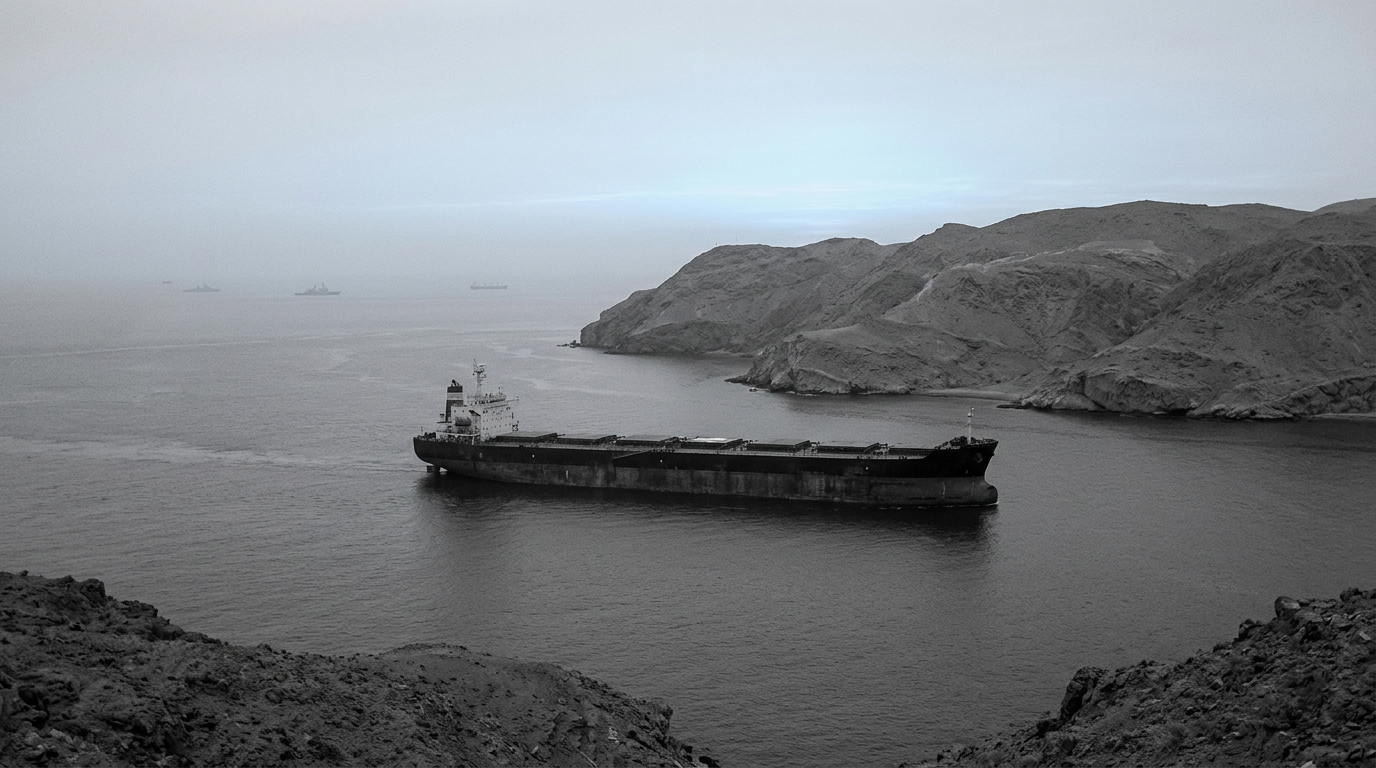
Global food security risks are rising as the ongoing conflict involving Iran, which began approximately two months ago, is expected to push food prices higher in the months ahead. Economists and policymakers say the main channel is not immediate crop shortages, but higher costs for fuel and fertilizer that eventually feed into farm production and transport expenses.
A central concern is disruption to shipping through the Strait of Hormuz, described as a critical chokepoint for trade flows. Officials and experts point to its role in moving roughly one-third of global seaborne fertilizer and one-quarter of seaborne oil, meaning prolonged interference can raise input costs across agriculture and food logistics worldwide.
So far, the price response has been limited. Data shows global food prices rose 2.4 percent last month, while cereal prices increased 1.5 percent, but economists caution that these figures may not capture the full effect of the conflict. They describe a lag between higher energy and fertilizer costs and what consumers ultimately pay at the store.
Several buffers are delaying the pass-through. Existing food inventories and pre-purchased agricultural inputs have helped stabilize near-term supply conditions, while record global cereal production is expected to provide additional support. Forecasts indicate global cereal output could reach 951.5 million tonnes by the end of the 2026 farming season, a 9 percent increase from the previous year.
Even with strong production, experts warn that rising input costs can still lift prices over time, particularly in import-dependent markets. International organizations have warned that if disruptions in the Strait of Hormuz persist, the world could face a severe deterioration in food affordability, with the sharpest consequences for lower-income households.
The Food and Agriculture Organization (FAO) identified India, Bangladesh, Sri Lanka, Somalia, Sudan, Tanzania, Kenya, and Egypt as among the most at risk. The World Food Programme said an additional 45 million people could face acute food shortages if the conflict continues into mid-year and oil prices remain above $100 per barrel.
Market indicators are signaling some pressure but not a full repricing. Futures markets for wheat and maize suggest moderate increases of 4-5 percent by year-end, while the longer-term severity remains under assessment. The key uncertainty, according to policymakers and economists, is how long shipping disruptions and elevated energy costs persist, and how quickly those costs transmit through fertilizer markets, farm decisions, and consumer prices.