Iran Ceasefire Nears Collapse in 48 Hours
U.S.-Iran ceasefire expires within 48 hours as Tehran signals uncertainty on talks and disputes persist over uranium and the Strait of Hormuz.
Lauren Collins ·
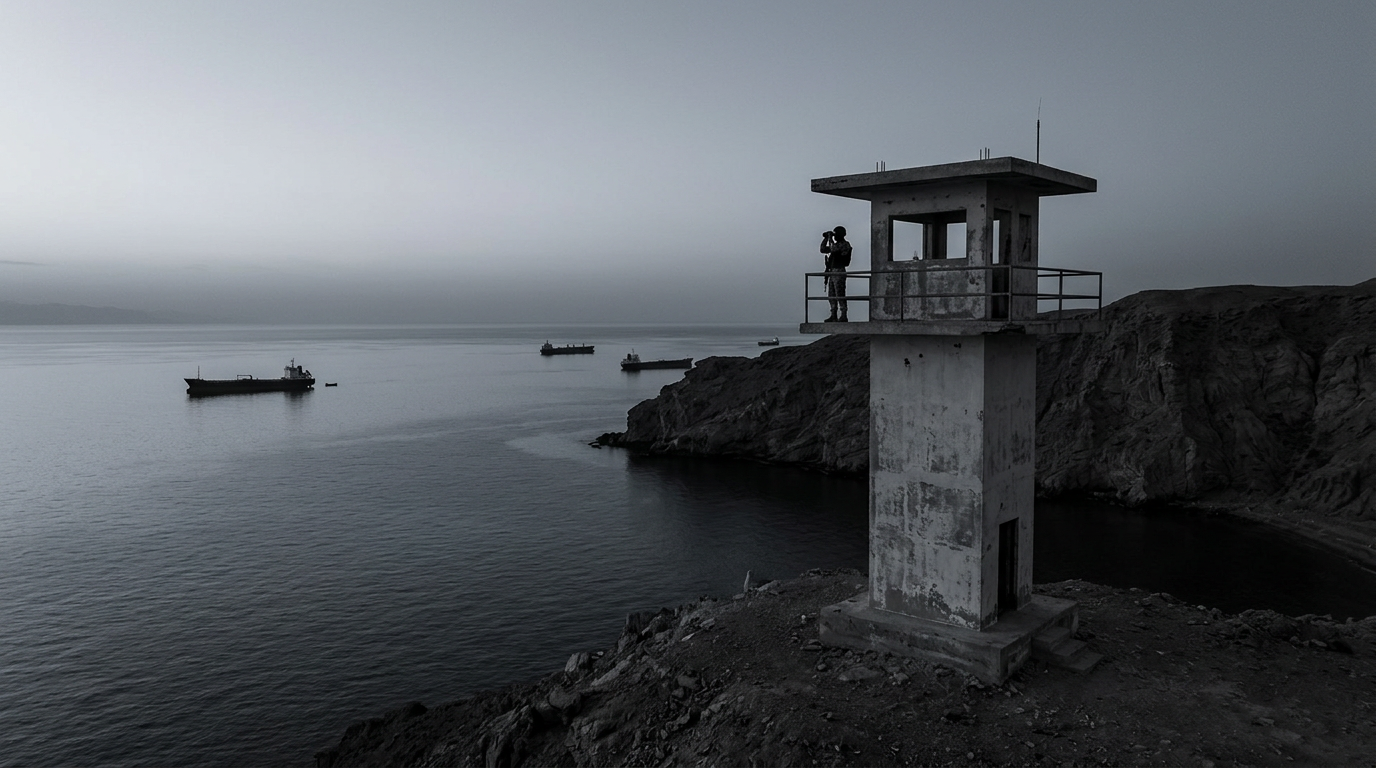
A temporary ceasefire between the United States and Iran is due to lapse within 48 hours , keeping markets and governments focused on the risk of renewed tensions in the Gulf region. The approaching deadline has left the situation unsettled, with uncertainty over whether talks can extend or replace the current pause.
U.S. Vice President JD Vance was expected to travel to Islamabad on Tuesday for additional discussions, but officials indicated the trip depended on Iran agreeing to take part. Tehran has sent mixed signals about whether it will attend, leaving the diplomatic track unclear as the ceasefire clock runs down.
The standoff has been described as mutual intransigence, with each side acting as though it has leverage. Former U.S. President Donald Trump reiterated threats to strike Iranian civilian infrastructure, including power plants and bridges, if Iran does not meet demands to abandon its nuclear program and reopen the Strait of Hormuz.
Iran, for its part, has treated the Strait of Hormuz as a major strategic asset. The source material says Iran has benefited from elevated oil prices during the conflict and that Iranian officials have expressed deep mistrust of U.S. intentions, factors that complicate any effort to turn the ceasefire into a longer-term arrangement.
Potential negotiations, if they proceed, would center on nuclear and maritime issues. One key question is the future of Iran’s highly enriched uranium stockpile and whether Iran retains what it calls its right to enrich uranium domestically. The United States is seeking the transfer of Iran’s estimated 440kg of 60% enriched uranium to a third party, according to the source material.
Another major topic would be the long-term status of the Strait of Hormuz. Discussions could include whether passage would be subject to tolls or permission requirements, as described in the source material, a point with direct relevance for global energy shipments and commercial shipping routes that rely on predictable transit rules.
Iran’s parliamentary speaker, Mohammad Bagher Ghalibaf, said Iran would not negotiate under threat and is prepared for further actions on the battlefield. With Tehran’s participation in talks uncertain and the ceasefire nearing its end, the immediate outlook remains dependent on whether both sides choose diplomacy or allow the pause to expire without a follow-on framework.