Barack Obama Hails Viktor Orbán’s Election Defeat as a Major Democratic Victory
Hungary election ends Viktor Orbán’s 16-year rule as Péter Magyar wins; Barack Obama on April 13, 2026 called it a democratic victory.
Lauren Collins ·
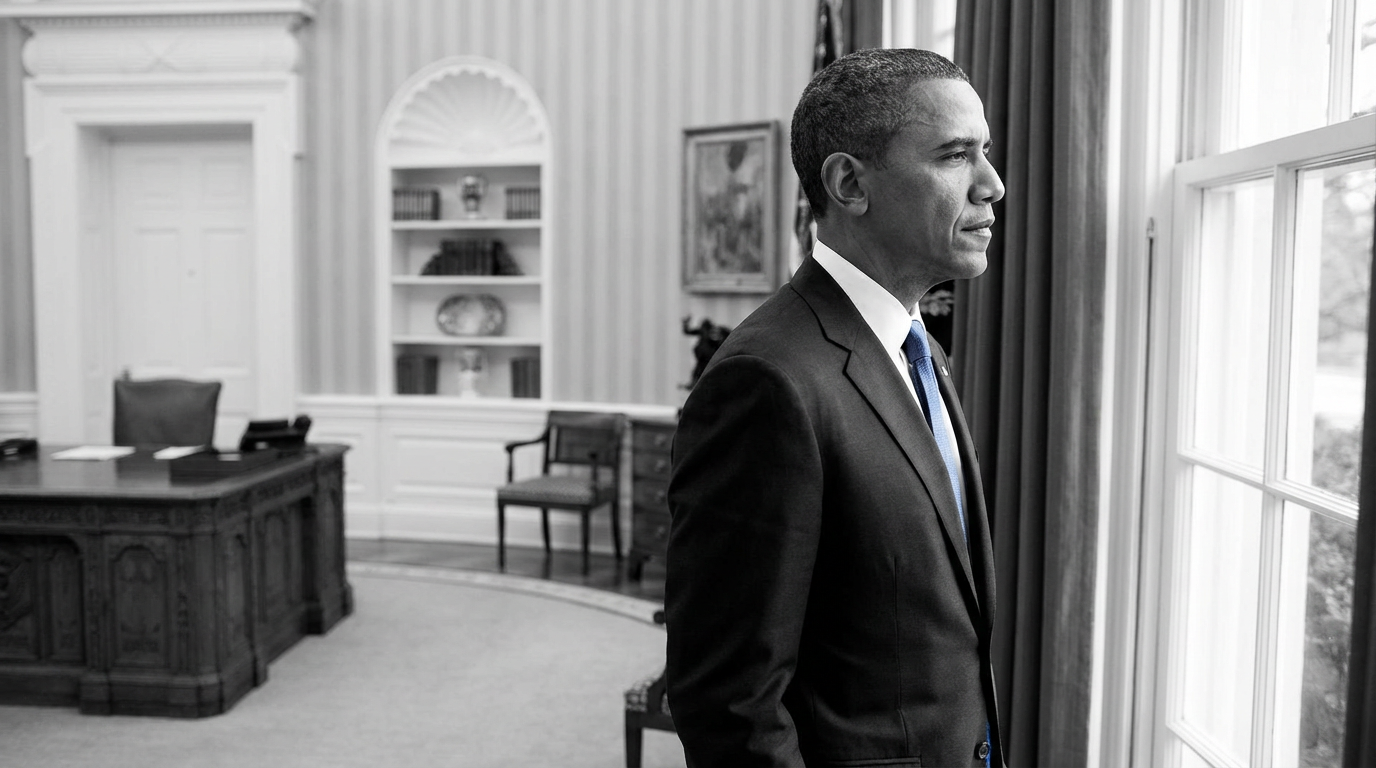
Former U.S. President Barack Obama said the outcome of Hungary’s recent election marked a major victory for democratic values, according to a statement dated April 13, 2026. His remarks followed the defeat of long-serving Prime Minister Viktor Orbán and the election win of opposition figure Péter Magyar , whose victory brought Orbán’s 16-year period in power to an end.
Obama framed the result as part of a broader pattern, drawing a comparison to Poland’s 2023 election. He pointed to the return of Donald Tusk as prime minister after campaigning on pro-NATO and pro-European Union positions, and said both outcomes should be viewed as a global win for democracy. In his statement, Obama also credited Hungarian voters for what he described as persistence in seeking fairness, equality, and the rule of law.
The Hungarian vote took place after a trip to Europe by U.S. Vice President JD Vance , who traveled to support Orbán’s re-election effort. Obama’s comments were released shortly after Vance’s Central Europe mission ended without achieving its stated aim of bolstering Orbán’s support, officials said.
During the Trump administration, Vance had been sent to Hungary to campaign for Orbán, who was described as maintaining close ties with former President Donald Trump and Russian President Vladimir Putin . Vance’s public appearances included warnings about what he called foreign interference in the election, comments that appeared to be directed against Orbán’s opponents. Despite those interventions, voters ultimately backed Magyar.
Magyar’s Tisza party campaigned on improving relations with Poland and the European Union. That message contrasted with Orbán’s often confrontational posture toward Brussels, according to the account of the campaign. The shift in leadership places Hungary’s relationship with EU institutions and regional partners at the center of attention, given the new government’s stated emphasis on closer ties.
Some elements remain unclear from the available information, including the precise margin of Magyar’s victory and the specific steps his government plans to take to pursue its stated foreign-policy direction. What is clear from the statements cited is that the election result has been interpreted by Obama as a symbolic marker in a wider debate over democratic governance in Europe.