Kenya elephants die after suspected cyanide farm exposure
Kenya elephants are suspected to have died after eating cyanide-tainted tomatoes near Amboseli National Park, raising crop-conflict and livestock concerns.
Ayla Demirhan ·
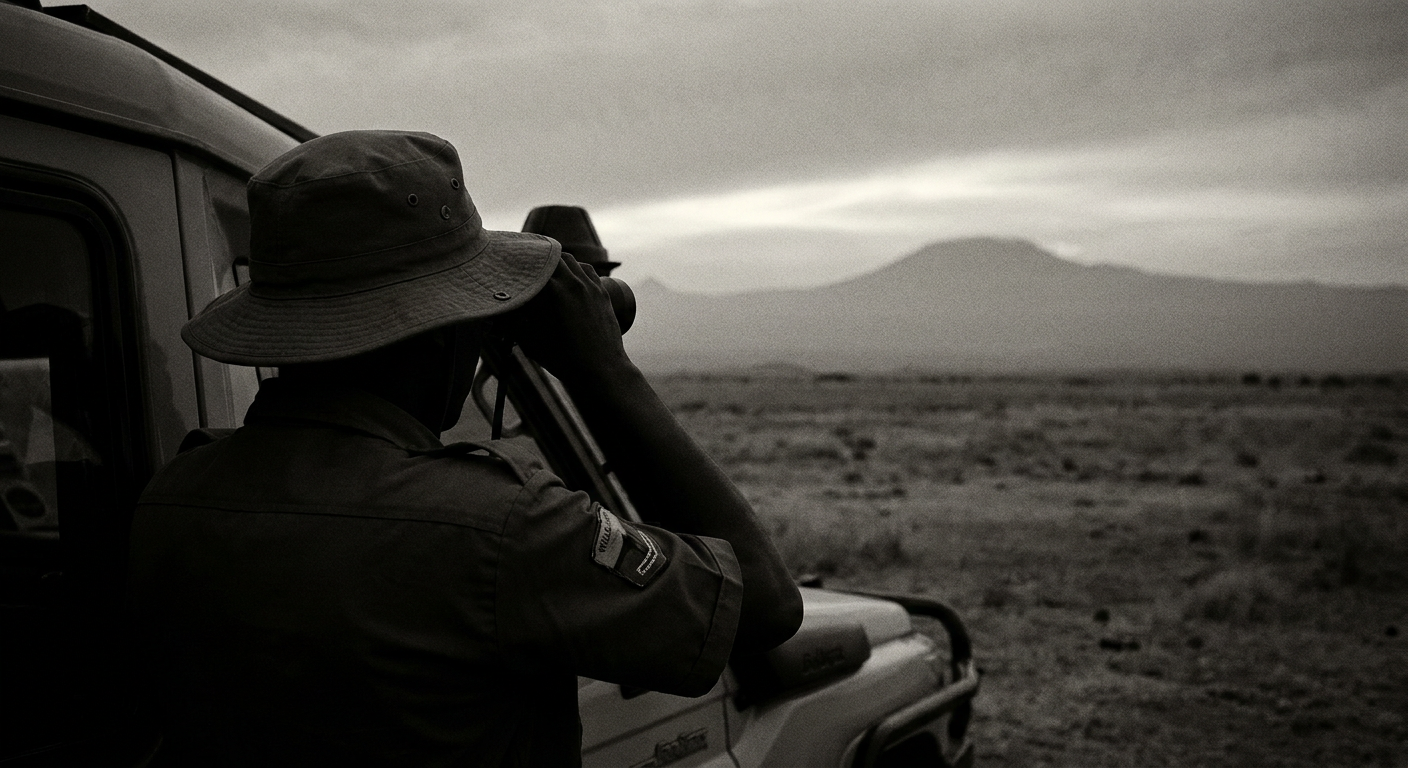
Kenya elephants are suspected to have died after eating cyanide-tainted tomatoes near Amboseli National Park, raising livestock concerns.
Wildlife authorities said 15 elephants died in southern Kenya over the past month, with contaminated tomatoes from nearby farms now central to the inquiry. Officials have not named any person or group suspected of introducing cyanide into the crop area.
The Kenya Wildlife Service said the deaths occurred near Amboseli National Park, a protected area bordered by land used for farming and livestock. That setting places elephants, crops, cattle and goats in close contact, giving the investigation consequences beyond wildlife conservation.
Amboseli farms become inquiry focus
Erustus Kanga, director general of the Kenya Wildlife Service, said initial laboratory work found cyanide in samples linked to the dead elephants. “Cyanide is a highly toxic chemical, particularly for elephants,” Kanga said in remarks reported on July 29, 2026.
The preliminary result does not establish how the chemical reached the tomatoes or whether the contamination was deliberate. Authorities said only that tomatoes from farms neighboring the park were suspected in the poisoning of the elephants.
The deaths have revived a recurring problem around protected areas where wild animals feed near cultivated land. Wildlife authorities said farmers have previously been suspected of using poison against elephants to stop crop raids, though officials did not connect any named farmer to the latest case.
Crops sit beside wildlife routes
Amboseli’s location makes the case especially sensitive for conservation managers. Farms and livestock areas sit close enough to elephant habitat that food crops can become a point of conflict when animals move outside park boundaries.
For farmers, elephant incursions can mean damaged harvests and income pressure. For wildlife officials, any chemical response to crop losses can quickly become a mass-casualty event because elephants feed in groups and may consume the same tainted material.
The suspected use of cyanide also raises enforcement questions. If investigators confirm intentional contamination, the case would shift from an animal mortality inquiry into a broader test of how authorities police dangerous substances around a national park.
Cyanide risk extends to herds
Kanga warned that the same fields may expose domestic animals to danger. “Other than the elephants and the wildlife that may be feeding in those fields, we have the local livestock. We have the goats. We have the cattle that are there. Eventually, if this is truly what is in the system, then we are going to see a bigger impact,” he said.
That warning matters because livestock are part of the same rural landscape as the farms under scrutiny. If goats or cattle graze on affected land, the incident could widen from wildlife deaths into a local agricultural and animal-health problem.
Authorities said the toxic substances detected in the dead elephants do not present an immediate danger to people. That assessment narrows the current public-health concern, but it does not answer whether contaminated produce remains in fields or whether animals have reached the same material.
Final tests will steer response
If final laboratory findings confirm cyanide exposure, officials will face pressure to identify the contamination source, secure affected farms and prevent livestock from entering risky areas. That path would put the Kenya Wildlife Service at the center of a local response involving farmers, herders and conservation officers.
If the evidence instead remains incomplete, the open questions will be harder to close: who handled the tomatoes, where the chemical came from and whether the elephants consumed the same batch. That uncertainty would complicate enforcement and leave farmers and herders without a clear account of the danger.
The immediate test is whether investigators can connect the preliminary laboratory finding to a specific location and chain of events. The wider issue is how Kenya manages the boundary between crop protection and wildlife protection where Amboseli’s elephants share land with rural livelihoods.