

Unauthorized Access Compromises Data on Japan’s $817 Million Fugaku Supercomputer
A security breach at Japan’s Fugaku supercomputer has exposed the personal data of over 4,000 users after hackers exploited an external dashboard to install…
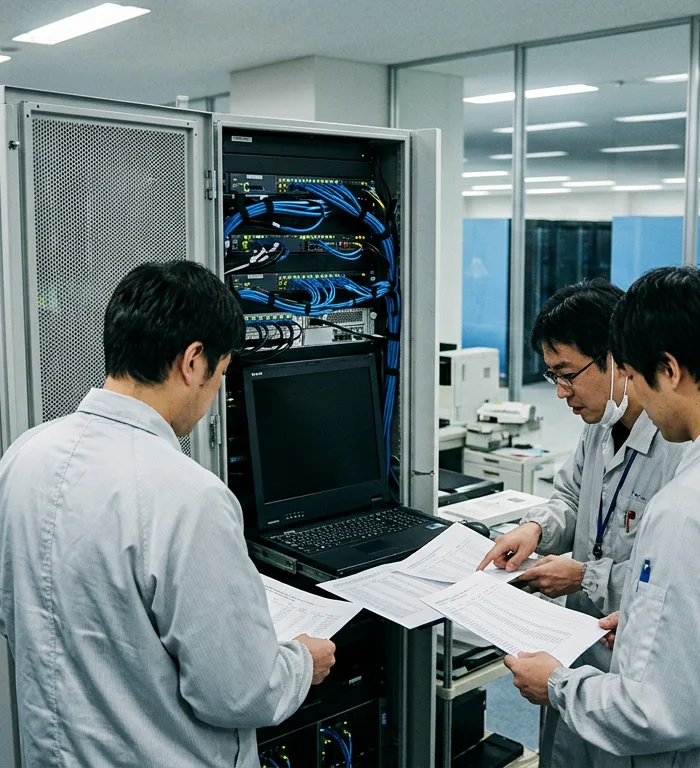
The Fugaku supercomputer, a critical component of Japan’s national research infrastructure, has suffered a significant security breach resulting in the potential theft of personal data belonging to over 4,000 users. The compromised information includes names, email addresses, research files, and authentication credentials. Additionally, the breach affected 375 users of the Rikyu AI supercomputer, which is also operated by research institute, Riken.
Internal investigations indicate that unauthorized actors exploited an externally accessible operational status dashboard between November 10 and November 13 to gain entry into the internal network. Once inside, the intruders installed unauthorized software on several servers. The breach was identified on November 12 following the detection of suspicious network traffic, leading to the immediate suspension of the affected systems.
Government officials, including the Chief Cabinet Secretary, have confirmed that the Ministry of Education, Culture, Sports, Science and Technology (MEXT) is coordinating with Riken to assess the full scope of the incident. The facility remains offline while security protocols are reviewed and remediated. The incident highlights vulnerabilities in the operational interfaces of high-performance computing environments.
Fugaku, developed in collaboration with Fujitsu at a cost of approximately $817 million, serves as a cornerstone for Japan’s scientific research and development. The breach raises concerns regarding the security of sensitive research data and the integrity of national computational assets. Authorities are currently working to determine the extent of the data exfiltration and the potential long-term impact on ongoing research projects.
More stories
- Europe faces attribution gap after 16 cyber, physical incidents
- PIF backs Grand Theft Auto as Saudi players embrace game
- Signal limits screenshots to curb AI access to messages
- Cognition runs Devin Mac workspaces on EC2 in 6 AWS regions
- Salesforce engineers cut 600-failure triage to 90 minutes
- Türkiye Desk: GTA 6 puts console access and network demand in focus
- Microsoft plans Project Helix as Xbox console for PC games
- OpenAI buys travel startup Odessia
- AI nuclear risk prompts U.S.-China expert safeguard plan
- EU Kids Act targets under-13s on social media
Latest news
- Trump prepares tariffs on China and other major exporters
- New-car buyers pay record average $50,087 in October
- Banks face ECB reserve debate over liquidity and profits
- Investors see Anthropic debut gains fade below $83 a share
- Iraq orders federal control over Kurdish-area oilfields
- Germans oppose Ukraine aid as poll shows support slipping
- Kim Jong-un receives 10 envoys after constitutional shift
- Ukraine claims Libya strike sinks Russian naval corvette