Ro Khanna’s West Bank Visit Signals Major Pivot in Israel Policy
Ro Khanna visited the occupied West Bank this week and clashed with Israeli security forces, spotlighting changing US political debate on Israel ties.
Atlas Newsdesk ·
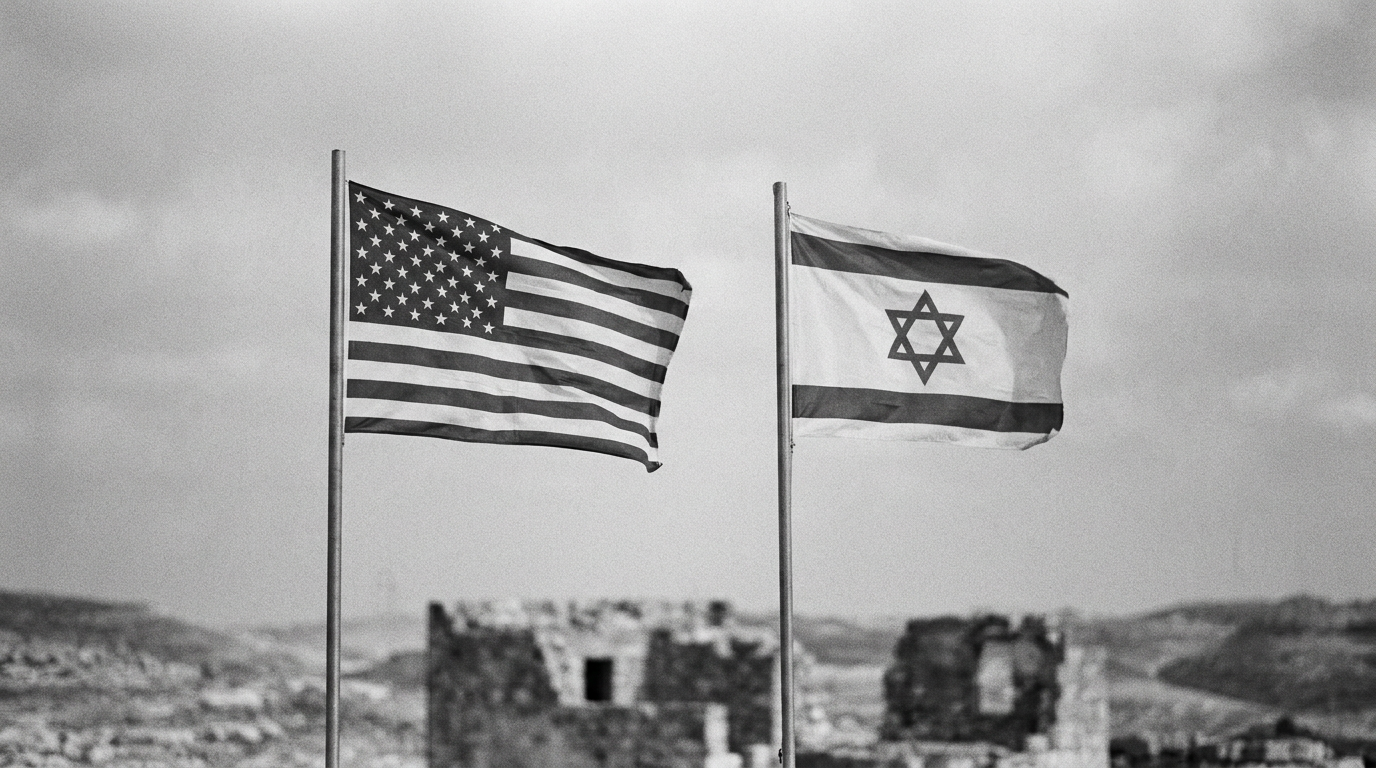
US Representative Ro Khanna visited the occupied West Bank this week, a stop that contrasted with long-established congressional travel routines that typically rely on government-led tours of Israel. The trip drew attention in Washington because it included direct engagement with Palestinian residents rather than a program built primarily around official state narratives.
During the visit, a confrontation between Khanna and Israeli security forces was documented, bringing added visibility to the episode and sharpening questions about how US lawmakers approach the Palestinian territories. The incident became a focal point for a broader discussion about the evolving discourse on US-Israel relations inside American politics.
How Khanna’s itinerary differed from past delegations
Historically, congressional delegations have followed a standardized template when traveling in the region. Those itineraries have often emphasized official perspectives and structured visits, reinforcing a consistent diplomatic pattern in how lawmakers gather information and signal priorities.
Khanna’s decision to spend time in the West Bank and to meet Palestinian residents pointed to a different approach. In practical terms, it suggested an effort to widen the set of voices US lawmakers hear directly, and it increased scrutiny of how congressional fact-finding trips are planned and conducted.
Domestic pressure and the humanitarian debate in the US
The visit took place as domestic political pressure rises in the United States over the humanitarian impact of the conflict. Officials and lawmakers face intensified public debate about how US policy is discussed, monitored, and communicated, particularly when congressional travel is seen as part of oversight and public engagement.
Against that backdrop, the confrontation during the trip gained outsized attention not only for what occurred on the ground, but also for what it implied about how elected officials may choose to present their engagement in the territories. The episode has become a reference point in arguments about whether traditional visit structures still reflect the breadth of current political concerns in the US.
Implications for future congressional engagement
The divergence from established diplomatic protocols raises the possibility that future congressional interactions could more frequently include direct engagement with non-state actors. If more lawmakers adopt similar approaches, it could introduce new friction points for traditional bilateral diplomatic frameworks that have long anchored official interactions.
At the same time, the long-term impact on US foreign policy remains uncertain. The significance of Khanna’s trip will depend on whether this pattern becomes more common among federal legislators or remains an exception that draws attention mainly because it breaks with the usual format.