Lebanon-Israel ceasefire extended for three more weeks
Lebanon-Israel ceasefire, launched April 14, was extended three weeks after rare high-level talks, keeping negotiations open past April 26.
Lauren Collins ·
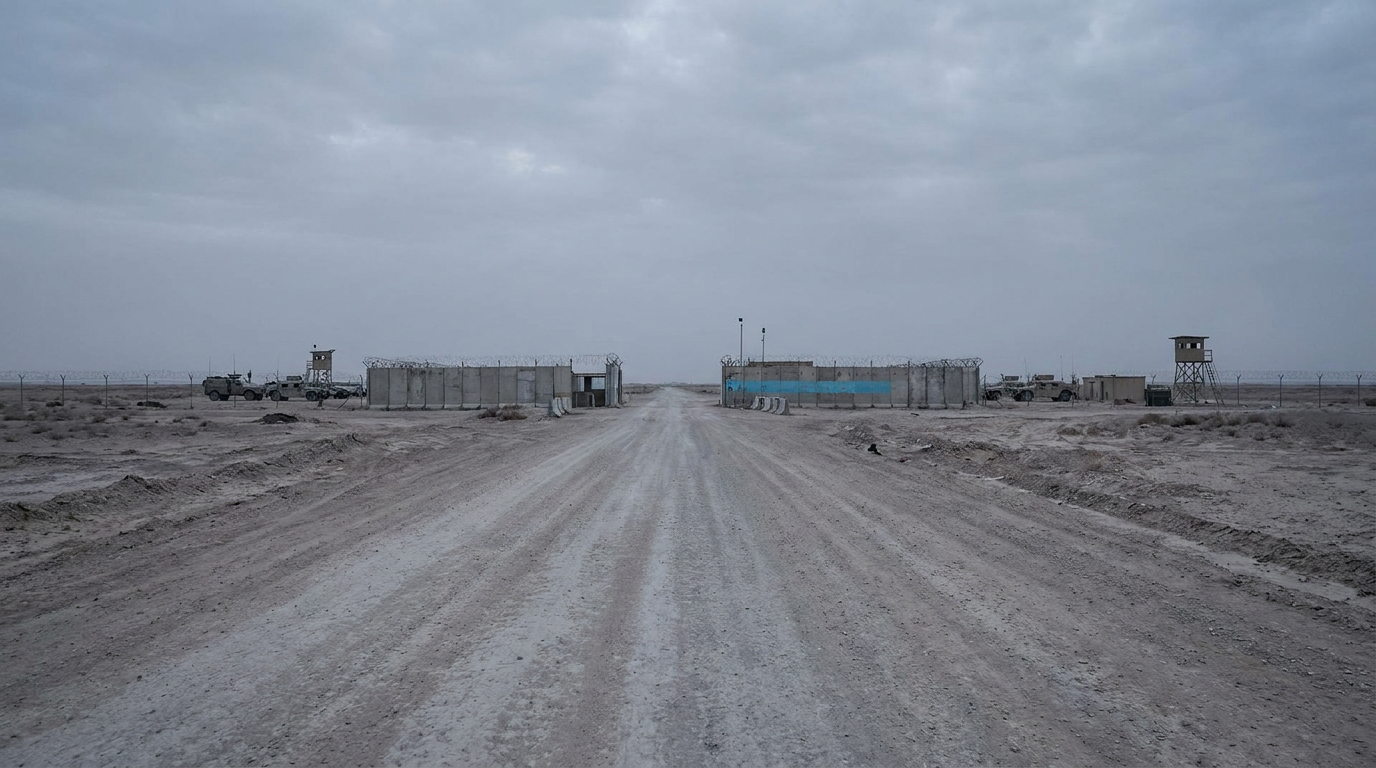
A temporary ceasefire between Israel and Lebanon that began on April 14 has been extended for three weeks, officials said after high-level talks between the two sides. The extension keeps the truce in place beyond its original end date of April 26 and is intended to create time for negotiations aimed at a more durable peace arrangement.
Officials described the discussions as the highest-level engagement between Israel and Lebanon in four decades. The talks, and the decision to prolong the ceasefire, were presented as a step toward opening space for sustained negotiations rather than a final settlement.
Three-week extension keeps April 14 truce in place
The initial ceasefire was put in place amid U.S. pressure on Israel, according to the source material. It was designed as a temporary measure and was scheduled to expire on April 26 before the new three-week extension was agreed.
The extended period is expected to be used to address two central issues that remain unresolved: the disarmament of Hezbollah and the creation of an Israeli buffer zone. Officials have not detailed how either issue would be implemented, and the source material does not specify any agreed mechanism or timeline beyond the three-week window.
Hezbollah disarmament and an Israeli buffer zone at the center
Hezbollah’s disarmament has become a more prominent topic inside Lebanon, according to the source material. A December 2025 Gallup poll was cited as showing that 79 percent of Lebanese respondents believe only the Lebanese Armed Forces should possess weapons.
The same account links this shift in sentiment to the ongoing U.S.-Iran conflict and to Hezbollah’s recent military actions against Israel. The source material does not provide further detail on those actions, but presents them as factors shaping public attitudes and the political environment around disarmament.
U.S. pressure and domestic constraints on both sides
U.S. President Donald Trump’s continued pressure on Israel was described as a key factor in keeping the ceasefire in place. The source material says this pressure may be driven by concerns that Lebanon could complicate broader U.S.-Iran negotiations, or by a separate push for a Lebanon-Israel peace track.
On the Israeli side, the source material says Israel is seeking assurances on Hezbollah’s disarmament and a credible strategic victory that could support any agreement domestically. It also notes public sentiment against withdrawing from southern Lebanon, presenting this as a political constraint that Israeli leaders would need to address in any deal.
For now, the three-week extension provides additional time for talks, but the source material leaves open major uncertainties, including whether the parties can bridge differences on disarmament and the proposed buffer zone before the extended ceasefire period ends.