Spain Accuses German Chancellor of 'Vassalage' to Trump Over Defense Spending Criticism
Spain accused German Chancellor Friedrich Merz of being a 'vassal' to Donald Trump after Merz echoed Trump's criticism of Spain's defense spending.
Cuneyd Erdogan ·
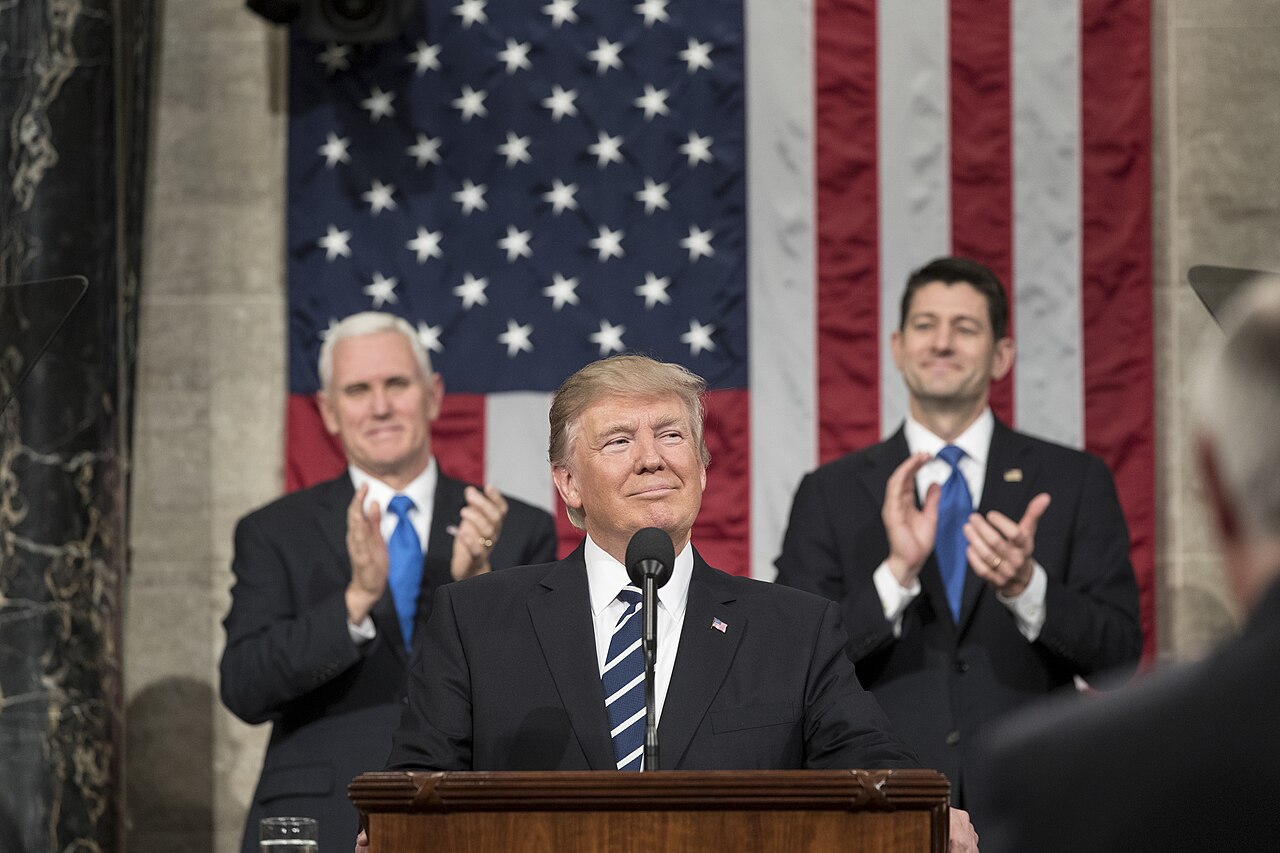
Spain has sharply criticized German Chancellor Friedrich Merz, accusing him of failing to defend Spanish interests against former U.S. President Donald Trump's remarks on defense spending. The diplomatic spat erupted on March 11, 2026, following a meeting between Merz and Trump in the Oval Office.
During their discussion, Trump reportedly threatened Spain with potential trade sanctions and embargoes if it continued to fall short of NATO's defense spending targets. Instead of countering Trump's assertions, Chancellor Merz echoed the criticism, stating that Spain needed to increase its defense budget.
Spanish Foreign Minister José Manuel Albares condemned Merz's stance as a "betrayal of European values," drawing unfavorable comparisons to previous German leaders. Further escalating the rhetoric, Spanish Deputy Prime Minister Yolanda Díaz labeled Merz a "vassal showing deference to Trump," emphasizing the need for strong European leadership.
This incident highlights growing internal European divisions regarding defense expenditures and the continent's relationship with the United States. Reports suggest Merz attempted to contact Spanish Prime Minister Pedro Sánchez by phone to de-escalate the situation, though it remains unconfirmed whether the call took place. Some outlets even claimed Merz dialed the wrong number, further underscoring the diplomatic tension and the delicate nature of transatlantic and intra-European alliances.